
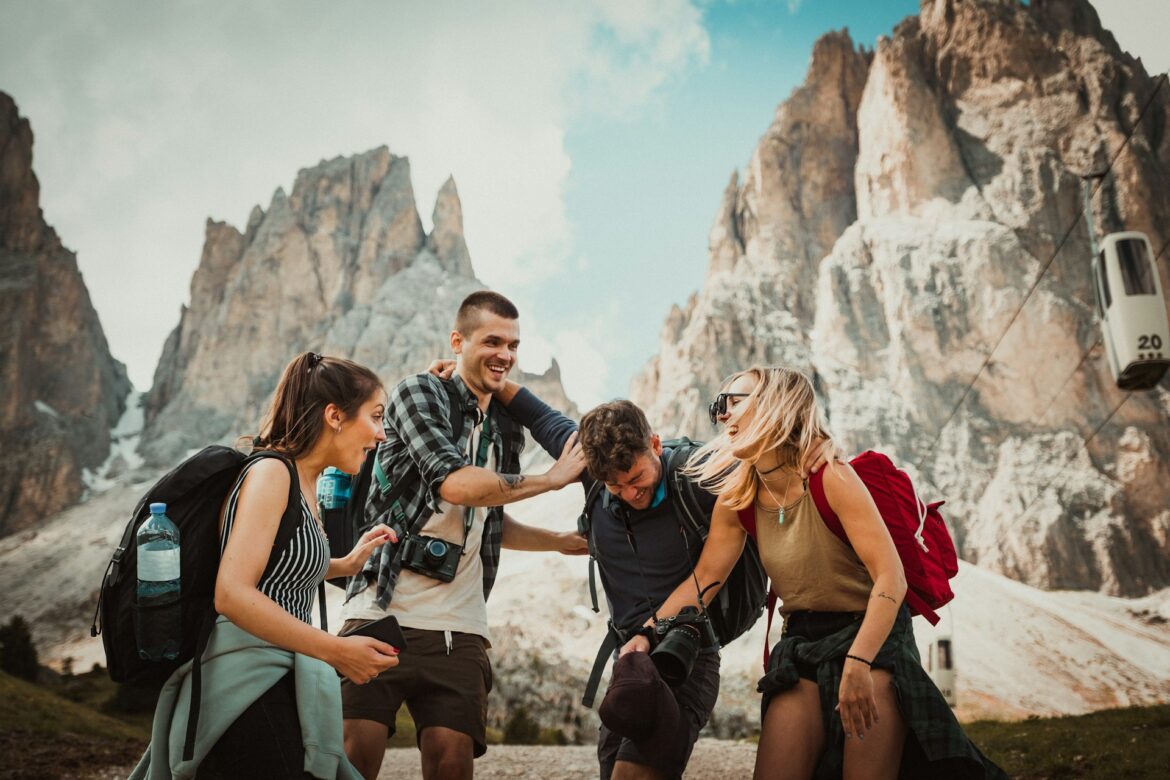
Slow travel is more than a trend — it’s a quiet rebellion against the rush of modern tourism. Instead of ticking off famous sights, it invites travelers to stop, stay, and feel a place. Imagine lingering in a small village instead of sprinting through Paris, or spending a week in a coastal town where no tour buses stop. This movement isn’t about doing less; it’s about doing things differently. And outside of the world’s big tourist capitals, slow travel reveals its truest, most authentic form.
Table of Contents
The Philosophy Behind Slow Travel
At its core, slow travel means depth over distance. It’s about connection — with locals, food, and rhythm. You might take a train instead of a plane. Walk instead of hailing a cab. Stay in one region long enough to recognize the morning baker’s smile or the rhythm of the town square.
According to a 2024 survey by Booking.com, 68% of global travelers say they now prefer experiences that feel “authentic” rather than fast-paced sightseeing. This shift is visible everywhere: from Tuscany’s vineyards to the fishing villages of Portugal, from small towns in Japan to quiet valleys in the Andes.
Beyond the Capitals: Europe’s Hidden Corners
Europe offers endless examples of slow travel beyond its capitals. While millions crowd Rome or London, a different rhythm hums in places like Slovenia’s Soča Valley or France’s Dordogne region. Here, time stretches. Buses are infrequent. Meals are long. You can rent a small apartment and spend afternoons chatting with a café owner who knows the history of every street.
In Spain, slow travelers are skipping Barcelona and heading to Galicia, where Celtic roots still echo in music and festivals. In Italy, small hill towns like Pienza or Matera show another face of beauty — one without crowds or queues.
The charm lies not in grand monuments, but in everyday life: market stalls, early morning church bells, and the smell of bread rising in stone ovens. The ability to pop into a cafe, order a cappuccino and a croissant, and leisurely browse Instagram or even work is a dream for many. While this is easier to achieve outside of large cities, it’s still wise to download a PC privacy tool to avoid unpleasant surprises. When traffic passes through VPN apps like VeePN, encryption is automatic. And yes, VeePN is not only secure but also a fast, convenient way to connect to any website in the world.
Local Encounters and Cultural Intimacy
Outside big cities, slow travel opens the door to deeper human experiences. It might mean spending a day cooking with a family in rural Greece or volunteering at an eco-farm in Costa Rica. These encounters go beyond tourism — they’re exchanges of time and trust.
Many small communities depend on this kind of responsible visitor. A 2023 European Tourism Board study found that for every €100 spent by a traveler in small towns, €65 stays within the local economy, compared to just €30 in large capitals. Staying longer in smaller places supports family-run inns, artisans, and local food systems — the true heart of cultural sustainability.
Transportation and the Art of Getting There
Fast travel focuses on arrival; slow travel values getting there. This applies to everything; even a regular work session can feel different: safe with a free VPN, comfortable with pleasant scenery, or rushed and constantly apprehensive. Choosing a train instead of a plane, or cycling between small towns, transforms movement into an experience.
Even walking has made a comeback. The Camino de Santiago in Spain, the West Highland Way in Scotland, and the Lycian Way in Turkey all attract travelers seeking reflection through physical movement.
The Environment: Slow Travel’s Hidden Strength
Fast travel burns fuel, literally. Flying less and staying longer means fewer emissions. According to a report from the World Travel & Tourism Council, a two-week local stay produces up to 60% less carbon than visiting three distant destinations in the same period. Slow travel isn’t only emotional or cultural; it’s ecological.
Biking through Denmark’s coastal routes or exploring Norway’s fjords by electric ferry offers a meaningful adventure with minimal environmental impact. Many small towns now invest in sustainability programs precisely because of the slow-travel community — people who care, not consume.
Technology and the Balance of Connection
Ironically, technology can help travelers slow down. Booking local stays, finding train routes, or connecting with eco-guides has never been easier. Apps like Rome2Rio or Omio simplify sustainable travel planning, while platforms like Workaway connect travelers with cultural exchanges. Yet the real art is balance — using digital tools to facilitate connection, not replace it.
Why It Feels Different Outside the Capitals
Outside tourist capitals, there’s space for thought, for silence, for noticing small things. The café closes at noon because the owner needs to tend his garden. The narrow street where cats sleep in doorways. The evening air, unhurried.
In these places, you can’t consume culture in a day. You must earn it, slowly, through observation and presence. It’s not that capitals are unworthy — they’re simply too loud for subtlety. The poetry of travel lies in the pauses, and those are found where crowds are not.
The Future of Travel Is Slower
If the 2010s were about “seeing it all,” the 2020s may become the decade of staying put. Remote work and digital flexibility make longer stays easier than ever. Countries like Italy, Portugal, and Greece now offer digital nomad visas, encouraging travelers to live — not just visit — in small towns.
In the End
So what does slow travel look like outside the tourist capitals? It looks like a farmer’s handshake at sunrise. Like a long lunch under olive trees. Like getting lost — and realizing you don’t need to be found.
It’s travel stripped of hurry and noise, returning to something deeply human: curiosity, connection, care. The journey becomes less about miles and more about meaning. And that, perhaps, is what travel was always supposed to be.
*This article has been contributed to Owl Over The World.
**Photo by Felix Rostig on Unsplash
