
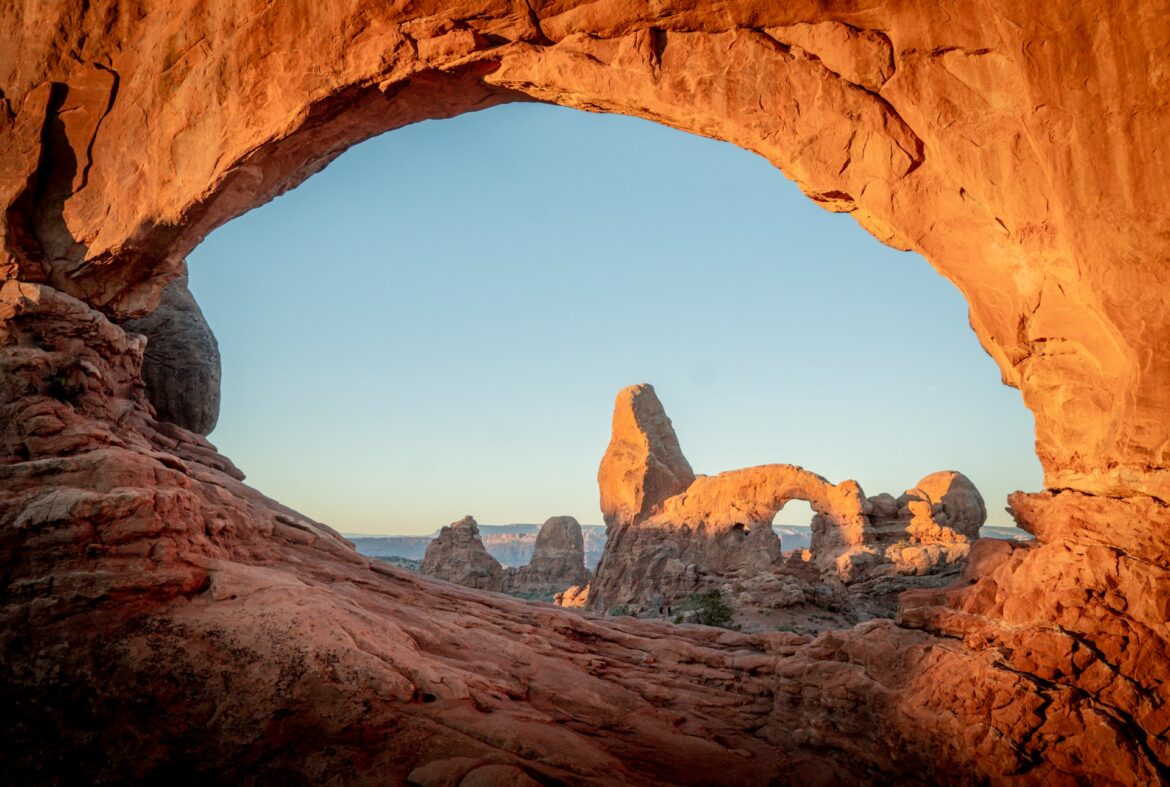
To visit Utah’s “Mighty 5” National Parks, the best order depends on your starting point, but most people prefer a West-to-East route (starting in Las Vegas) or an East-to-West route (starting in Salt Lake City).
Table of Contents
The Most Popular Route: West to East
This is the standard “Mighty 5” journey. If you start in Las Vegas, you can easily hit the most popular park first and save the vast, open desert of Moab for the end.
| Order | Park | Highlights |
| 1 | Zion | Towering sandstone cliffs (almost 2000 feet), iconic hikes, jaw-dropping views, minimal light pollution, and a variety of wildlife and nature. |
| 2 | Bryce Canyon | Unique hoodoo formations, Bryce Amphitheater views, and the best dark sky parks. |
| 3 | Capitol Reef | Dramatic landscapes, Waterpocket Fold, unique rock formations, and scenic drives. |
| 4 | Canyonlands | Massive canyon systems, red-rock landscapes, incredible hiking trails, dark sky stargazing, and epic off-roading adventures. |
| 5 | Arches | 2,000 naturally formed sandstone arches, vast desert panoramas, low light pollution, and incredible stargazing. |
A Closer Look at Each Park
Many students choose to spend their breaks exploring these landscapes while studying in the USA on an F1 visa, as the proximity of these parks to major university hubs in the West makes them highly accessible.
-
Zion National Park
Zion is the ideal starting point because it eases you into the scale of Utah’s landscapes without overwhelming you. Zion Canyon itself is so deep that the park offers a mandatory shuttle system during peak season. No personal vehicles allowed on the main road from spring through fall.
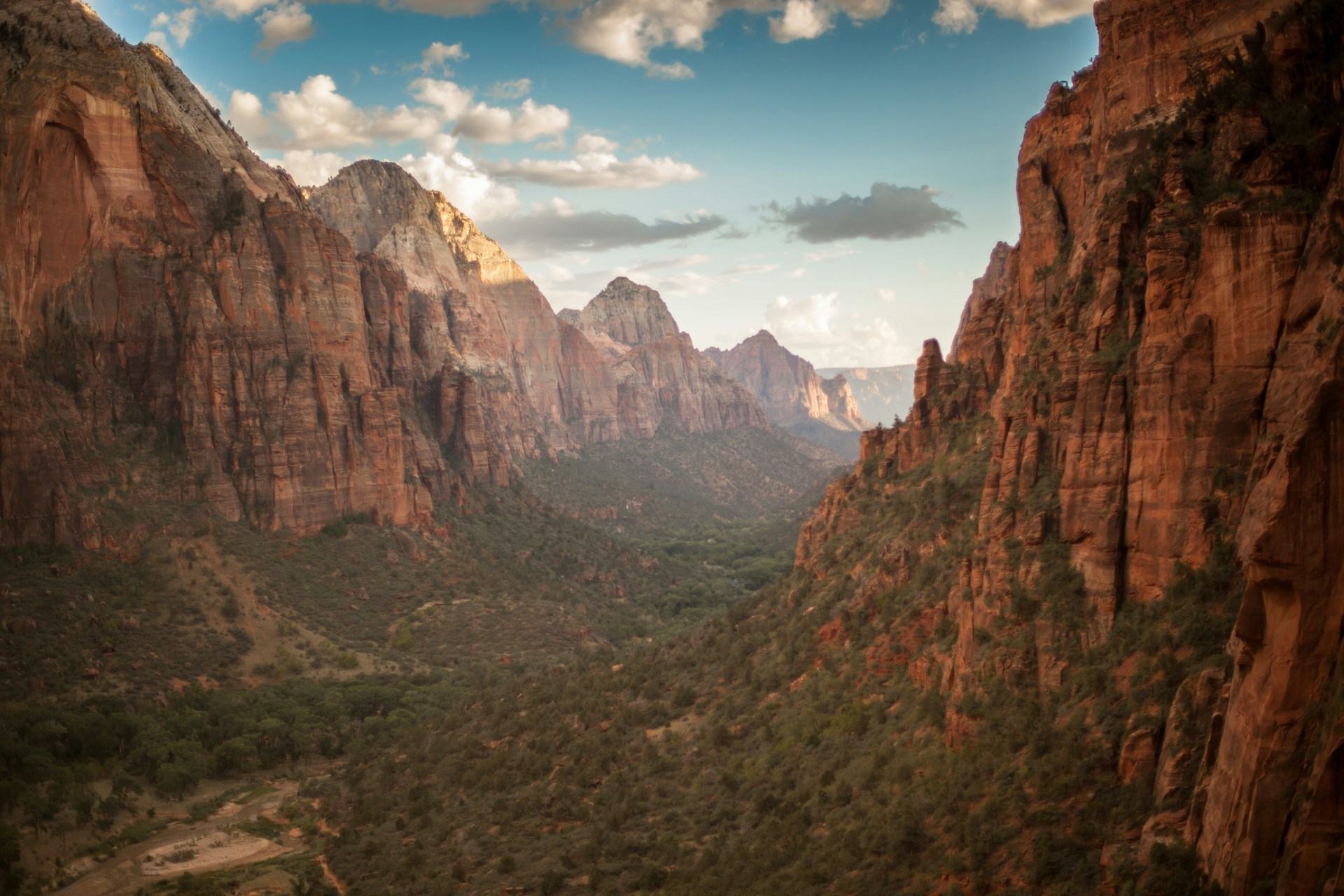
Photo by Jamie Hagan on Unsplash
-
Bryce Canyon National Park
Bryce Canyon is unlike anywhere else on Earth. It’s technically not a canyon at all. It’s a series of natural amphitheaters eroded into the edge of a plateau. At over 8,000 feet in elevation, it’s also one of America’s premier dark sky destinations, with minimal light pollution for outstanding stargazing.

Photo by Tim Golder on Unsplash
-
Capitol Reef National Park
Often overshadowed by its neighbors, Capitol Reef is a hidden gem. The park is anchored by the Waterpocket Fold. It’s a nearly 100-mile-long wrinkle in the Earth’s crust that was pushed up millions of years ago. You can explore ancient Fremont petroglyphs, pick fruit from the historic Fruita orchards in season, and drive the Capitol Reef Scenic Drive for some of the most cinematic desert views.
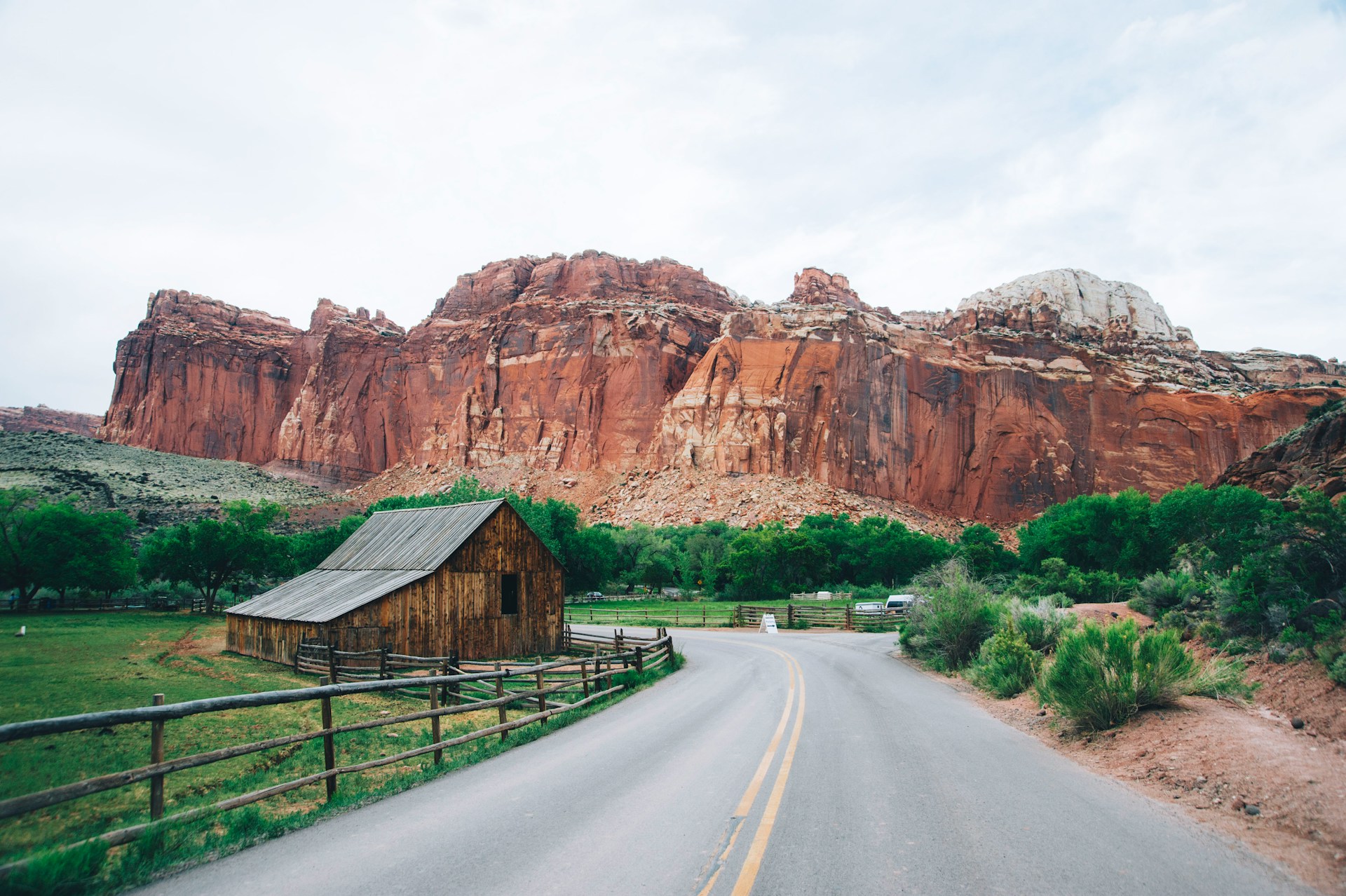
Photo by Tracy Zhang on Unsplash
-
Canyonlands National Park
Canyonlands is Utah’s largest national park, divided into three distinct districts: Island in the Sky, The Needles, and The Maze. Island in the Sky.
For the adventurous, The Maze is one of the most remote and challenging destinations in the entire U.S. national park system.
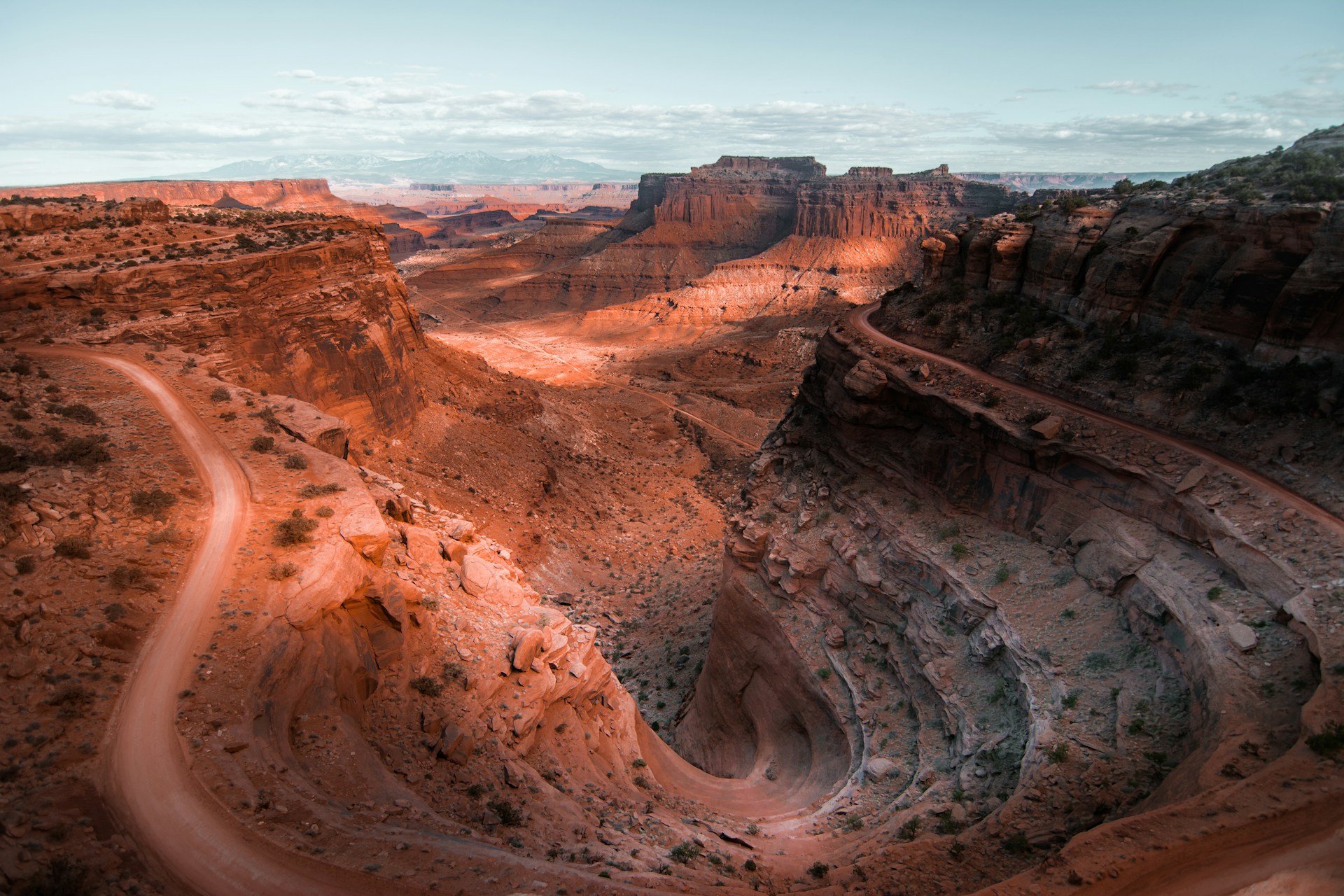
Photo by Nate Foong on Unsplash
-
Arches National Park
Arches is one of the most photographed parks in the country. With over 2,000 natural sandstone arches, including the iconic Delicate Arch, the park is a photographer’s dream at sunrise and sunset. Arrive early in the morning or book timed entry passes well in advance, as the park frequently hits capacity during peak season (March–October).
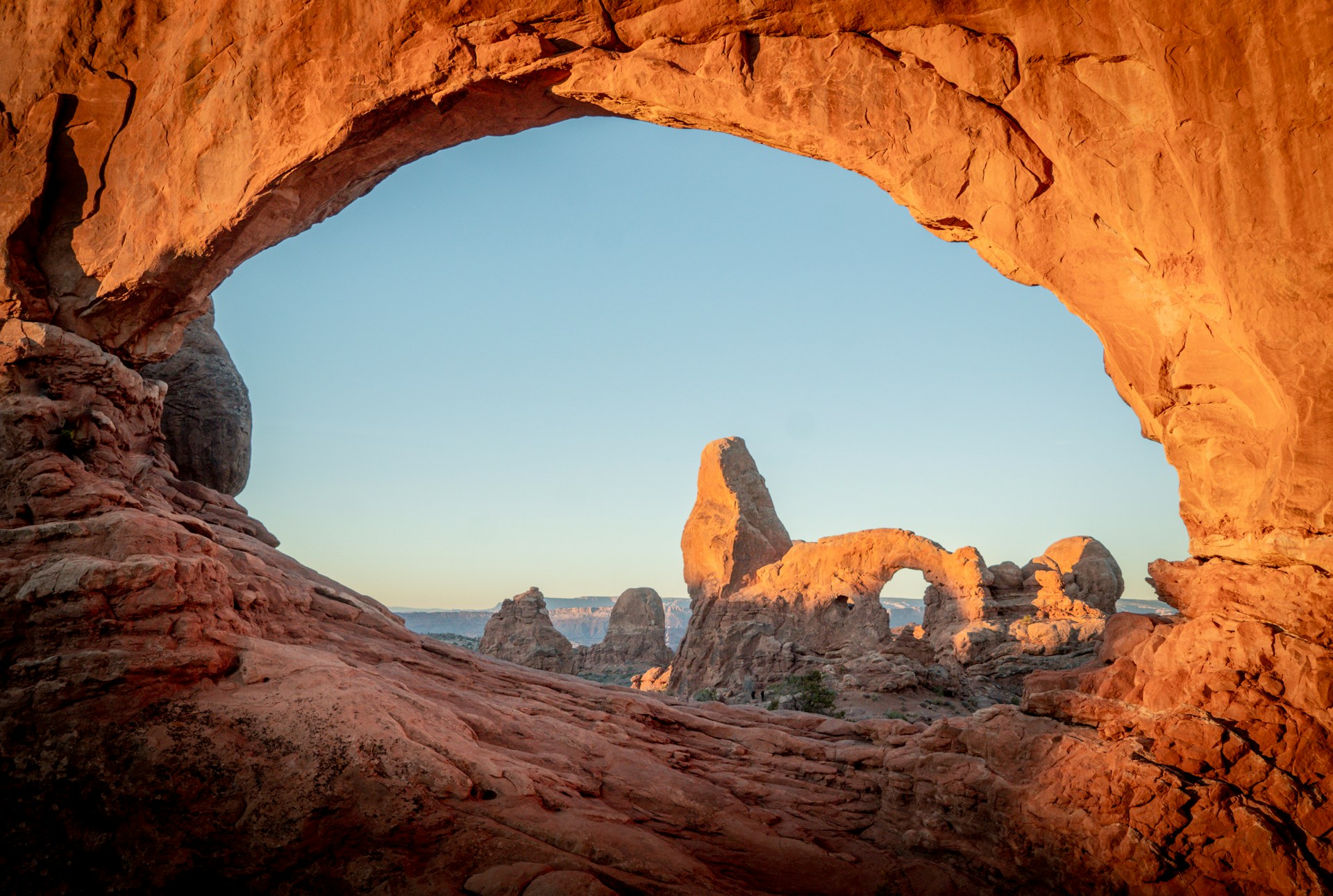
Photo by Intricate Explorer on Unsplash
Why This Order Works
- The Drive: This route includes Scenic Byway 12 between Bryce and Capitol Reef, frequently cited as one of the most beautiful drives in America.
- Logistics: You can fly into Las Vegas (LAS) and fly out of Salt Lake City (SLC) to avoid a massive loop, or vice versa.
- The “Moab Hub”: Arches and Canyonlands are only 30 minutes apart. Putting them at the end (or beginning) allows you to stay in one hotel in Moab for 3–4 days without moving luggage.
Once you’ve figured out your route, you’ll need a car to explore Utah’s Mighty 5 at your own pace. I’d recommend checking out DiscoverCars to compare prices from different rental companies and find a good deal. One thing I particularly like is that you can check customer reviews and rental conditions before booking, including things like mileage limits and deposit requirements. I’d also recommend adding Full Coverage directly through DiscoverCars, as it’s often more affordable than getting extra coverage at the rental desk and can help protect you from unexpected costs during your trip. It’s a handy way to plan ahead and enjoy your road trip with a little more peace of mind.
Planning Tips for the Mighty 5
Before planning to visit the USA for your vacation, remember these tips.
Best Time to Visit
Fall (September–October): Cooler temperatures and stunning foliage at Zion and Bryce.
Summer (June–August): Peak season. Busy, but all facilities are open. Expect heat in Arches and Canyonlands (100°F+).
Winter (November–March): Fewer crowds and snow-dusted hoodoos at Bryce are magical, but some roads may close.
How Long Do You Need?
Minimum recommended trip: 7–10 days to see all five parks at a comfortable pace.
Ideal trip: 12–14 days allows time for day hikes, side trips, and rest.
Budget travelers and backpackers can save money by camping inside the parks.
Final Thoughts
The Utah Mighty 5 road trip is one of the great American travel experiences. It’s a journey through landscapes so dramatic and varied that they feel almost cinematic.
Pack sunscreen, download offline maps (cell service is spotty in most parks), carry plenty of water, and book your accommodation and timed entry passes well in advance. The desert rewards those who plan and surprises everyone who shows up.
*This article has been contributed to Owl Over The World.
