

When we first started planning our trip to Rio de Janeiro, I wasn’t sure if I wanted to visit a favela at all.
As a traveler passionate about understanding local cultures, the idea of exploring a place like Favela Rocinha definitely intrigued me.
At the same time, though, something about it didn’t sit completely right, not from a safety point of view, but ethically. I didn’t want it to feel like visiting a zoo, just watching people live their everyday lives.
In the end, my curiosity won, and we decided to go on a Favela Rocinha tour to learn more about these famous Brazilian communities.
If you’re considering visiting Favela Rocinha, here’s exactly what it was like — the good, the uncomfortable, and everything in between.
*Make sure to also read my article on the best Rio de Janeiro travel tips and things to know before visiting.
Table of Contents
My Favela Rocinha Tour Experience
We booked our Favela Rocinha tour through Airbnb Experiences with local guides who actually live inside the favela. This is something I highly recommend if you’re planning a visit. Not only are the tours much more affordable (we paid about €40 total for two people), but this way, your money goes directly to the community.
On the day of our tour, we met the group at the designated meeting point and from there, we headed to the “entrance” of Rocinha.
Because Rocinha, like most favelas, is built up a steep hill, tours usually start from the top and work their way down, which is much easier under the intense Brazilian heat.
So, as we arrived at the entrance at the bottom, moto-taxis were waiting to take us up to the top.
Riding on the back of a motorbike, weaving through the narrow streets, was an experience in itself.
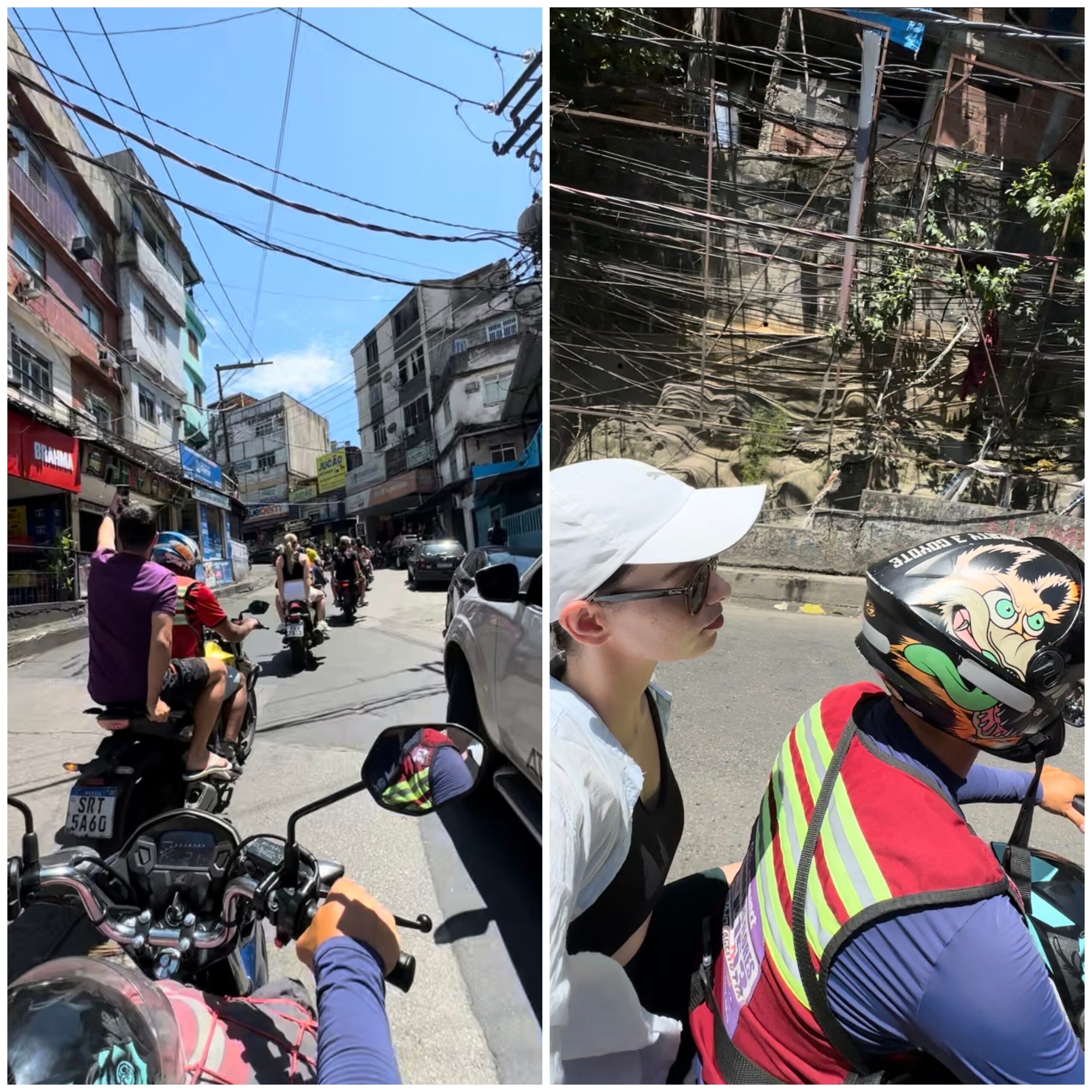
… and once we reached the top, the view over Rio was absolutely breathtaking.
This is one of my favorite photos I took in Rio:
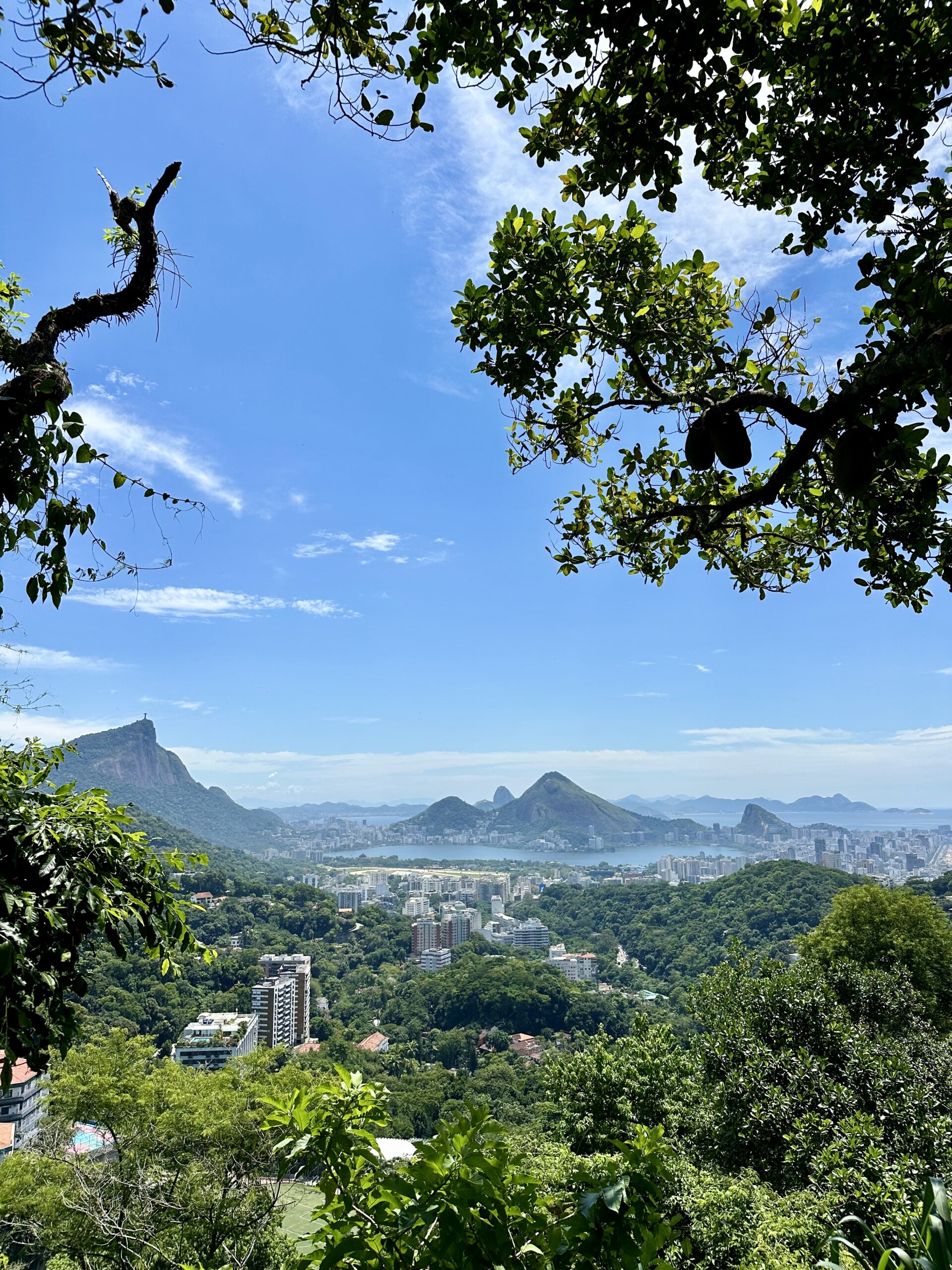
Seriously, how stunning is this view… 😍
Our guide, Maria, welcomed us with a short introduction, sharing some background about Rocinha and encouraging us to ask as many questions as we wanted, which, of course, I did.
I won’t dive too deep into all the information she shared because I honestly believe it’s something better experienced firsthand through your own guide when visiting Favela Rocinha.
Instead, in this article, I want to focus more on what it actually felt like to visit.
We started walking through the favela, mostly sticking to the tiny, labyrinth-like alleys rather than the wider “main” roads. Our first stop was a small local project where young children learn the art of capoeira — the Afro-Brazilian martial art that blends dance, music, and acrobatics.
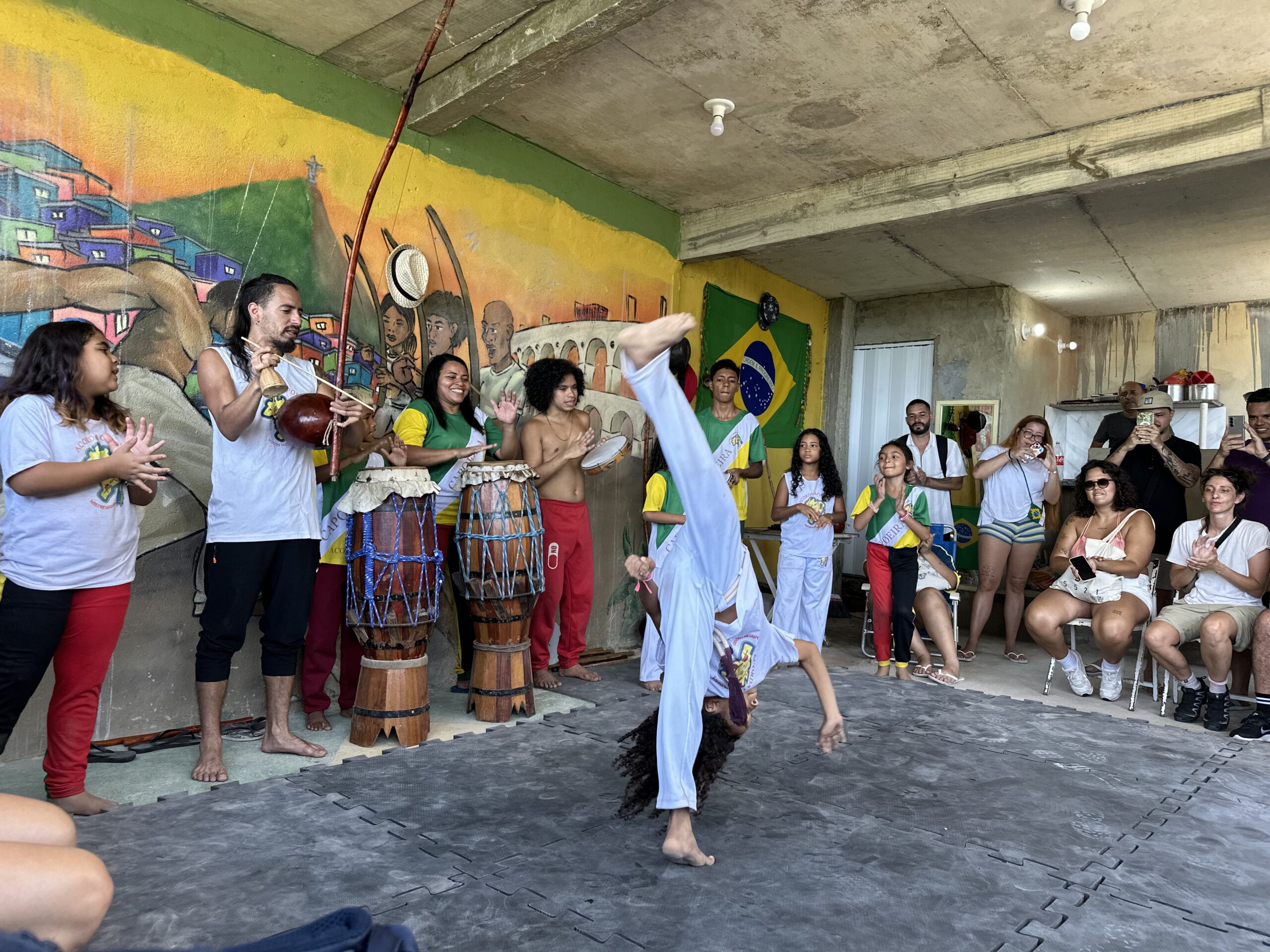
It was a very tourist-friendly stop, but no less interesting.
The children, along with their instructor, gave a short demonstration and even invited us to dance samba with them afterward. They were incredibly sweet and full of energy, offering hugs and big smiles to everyone.
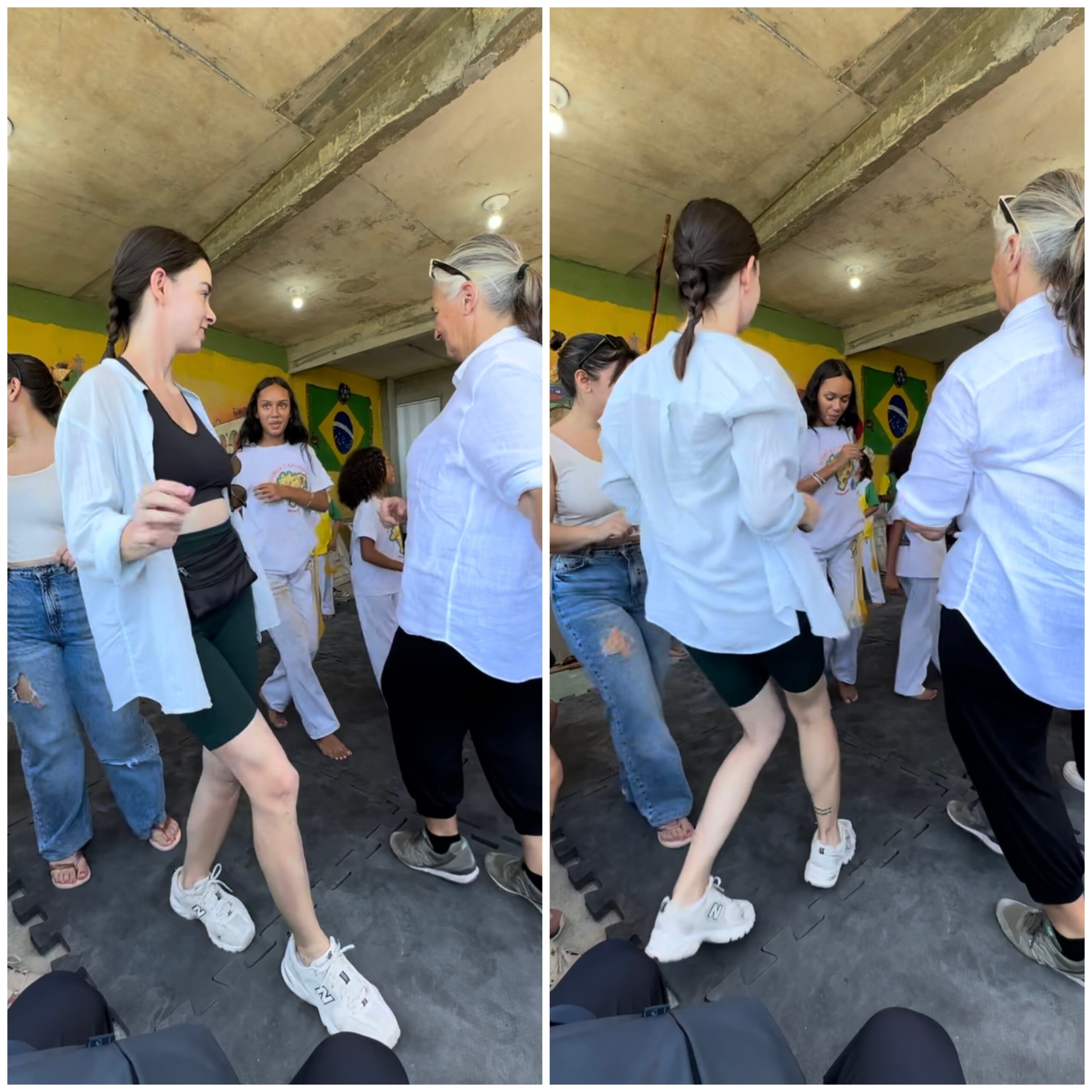
One thing I want to mention here: It was disappointing to see some people in our group rush to take photos with the children, but then ignore them when they politely asked for tips. So, if you plan to visit Rocinha, I recommend carrying some small cash to tip during experiences like this – it means a lot to the local kids and supports their programs.
There’s also a small shop at the capoeira school where you can buy souvenirs if you prefer to contribute that way.
We continued exploring the narrow, twisting alleys.
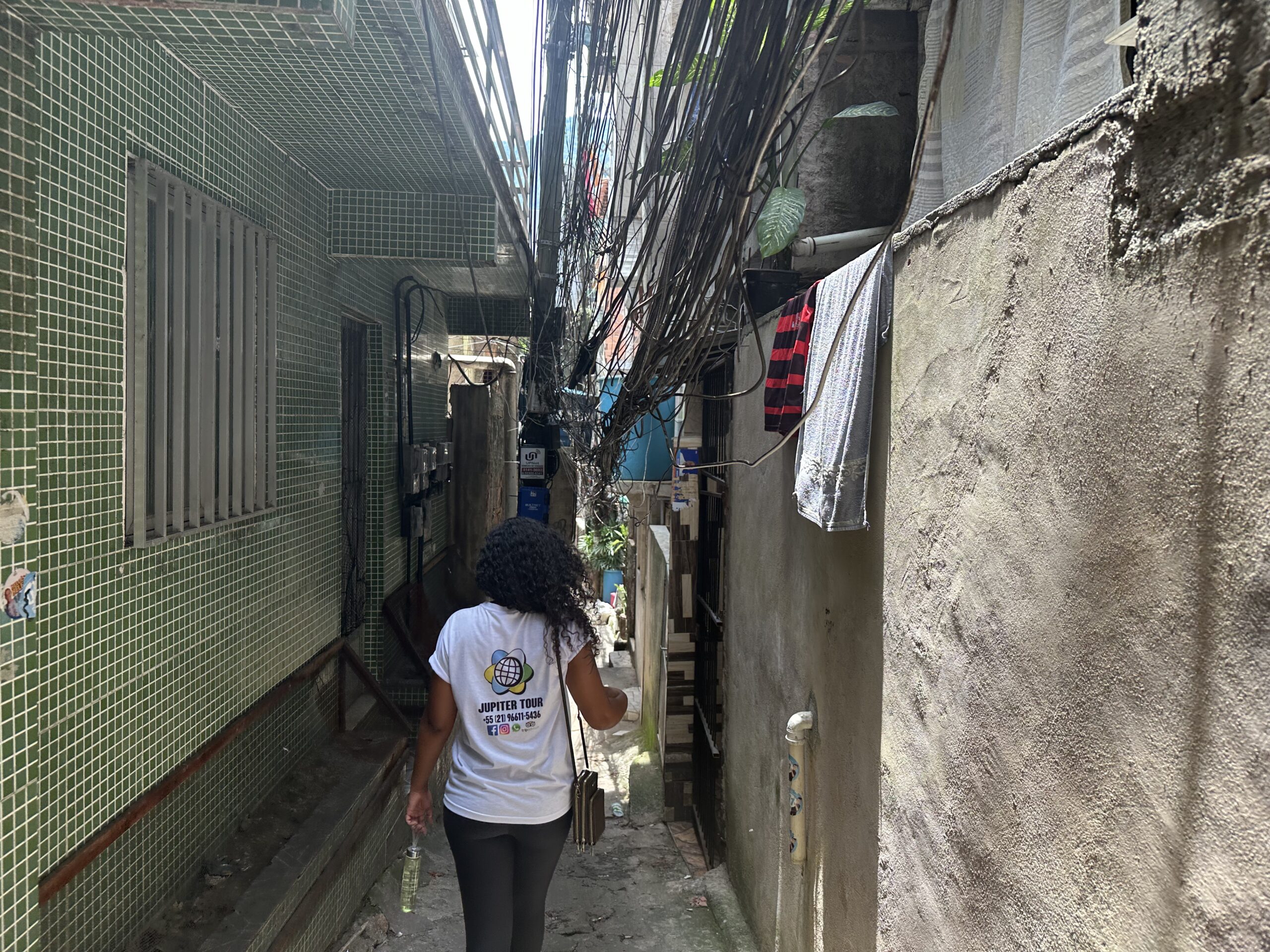

Our guide pointed out when we could and couldn’t take photos. Usually, when moving between stops, photography was discouraged. During these walks, I personally saw two armed individuals.
One was casually sitting in a small alley holding what looked like a rifle. The other was rolling a joint, with a handgun visibly tucked into his waistband.
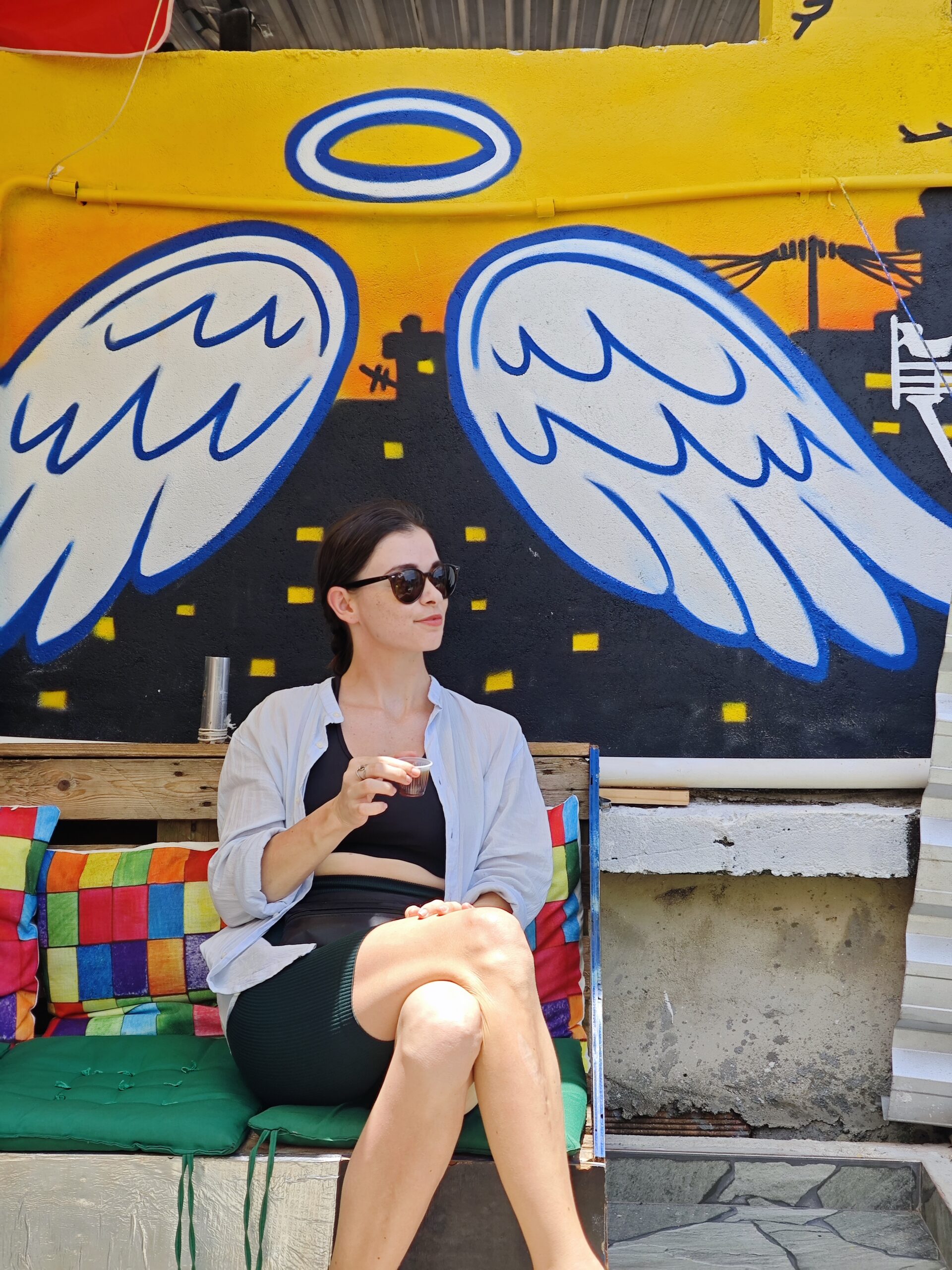
These brief encounters happened as we made our way to the second stop: a small rooftop café set on top of one of the homes.
The café offered stunning views over Rocinha and out to the ocean — it was fascinating to see the sprawling maze of homes from above, a perspective you rarely get otherwise.
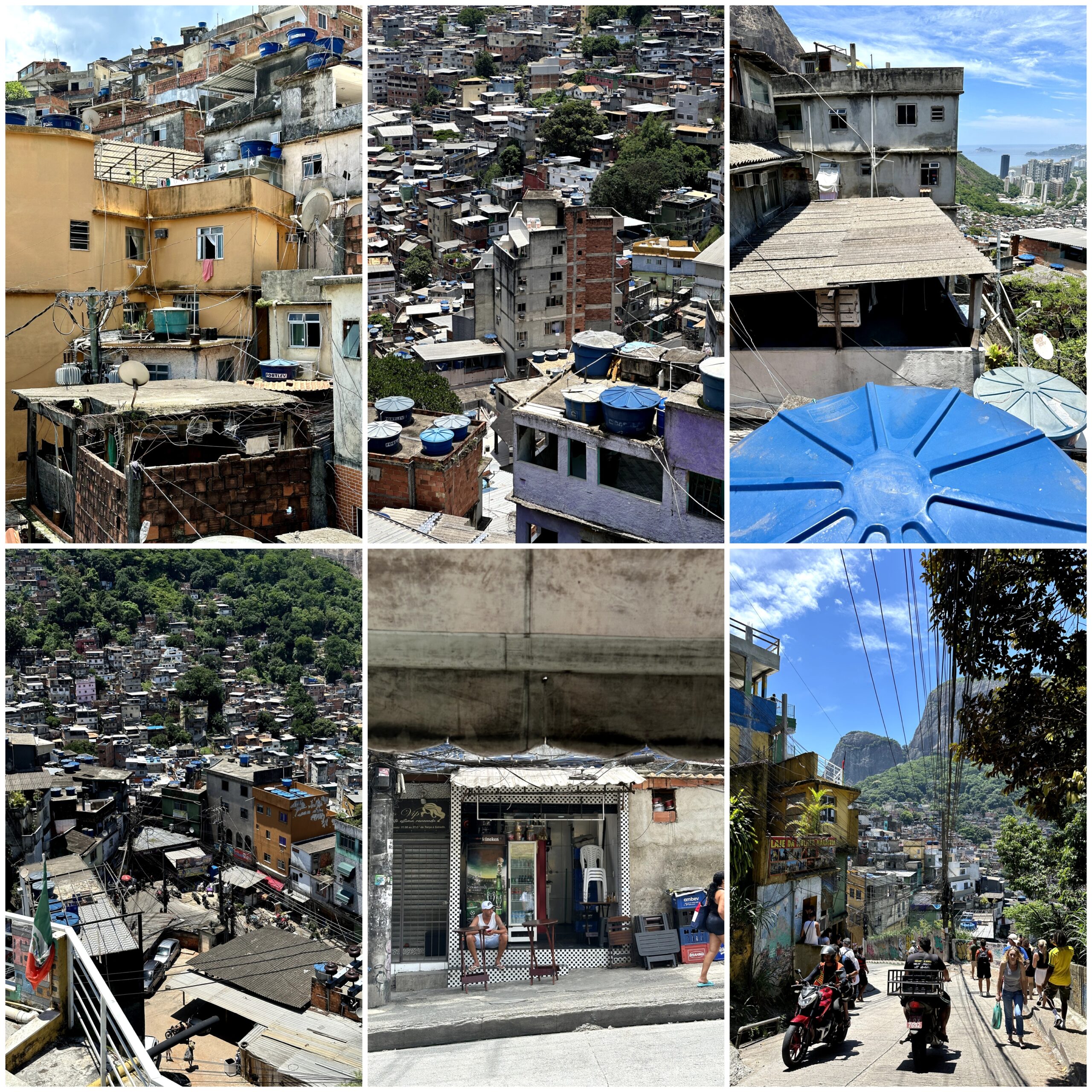
However, getting to that rooftop café brought the most uncomfortable moment of the entire Favela Rocinha tour for me.
To reach the café, we had to literally walk through a local family’s living room — a mother, father, and two young children, all squeezed into a very tiny space. They were sitting together on a small bed, watching TV, as twenty to thirty tourists filed past them.
It felt intrusive and wrong, even if, presumably, the family gets compensated for allowing access.
Maybe this is normal there, maybe not. But it definitely made me reflect on the complicated ethics of visiting favelas.
While at the rooftop café, Maria shared even more insights about life in Rocinha — how the favela started, what living conditions are like, and how people build their homes.
One of the things that left the biggest impression on me was when she said she was the first person in her family to learn how to read. Hearing that, from someone around my own age, really hit me.
It gave me a very different perspective on daily life and the opportunities (or lack of) for people growing up there.
After the café, we continued walking through Rocinha, visiting a local church and checking out a famous street art mural right outside it.
The mural was a local reinterpretation of “The Last Supper,” with a black Jesus figure surrounded by children from different countries and religions. In Brazil, there’s a popular saying: “tudo acaba em pizza” — meaning that no matter what happens, everything ends up being fine (or at least forgotten).
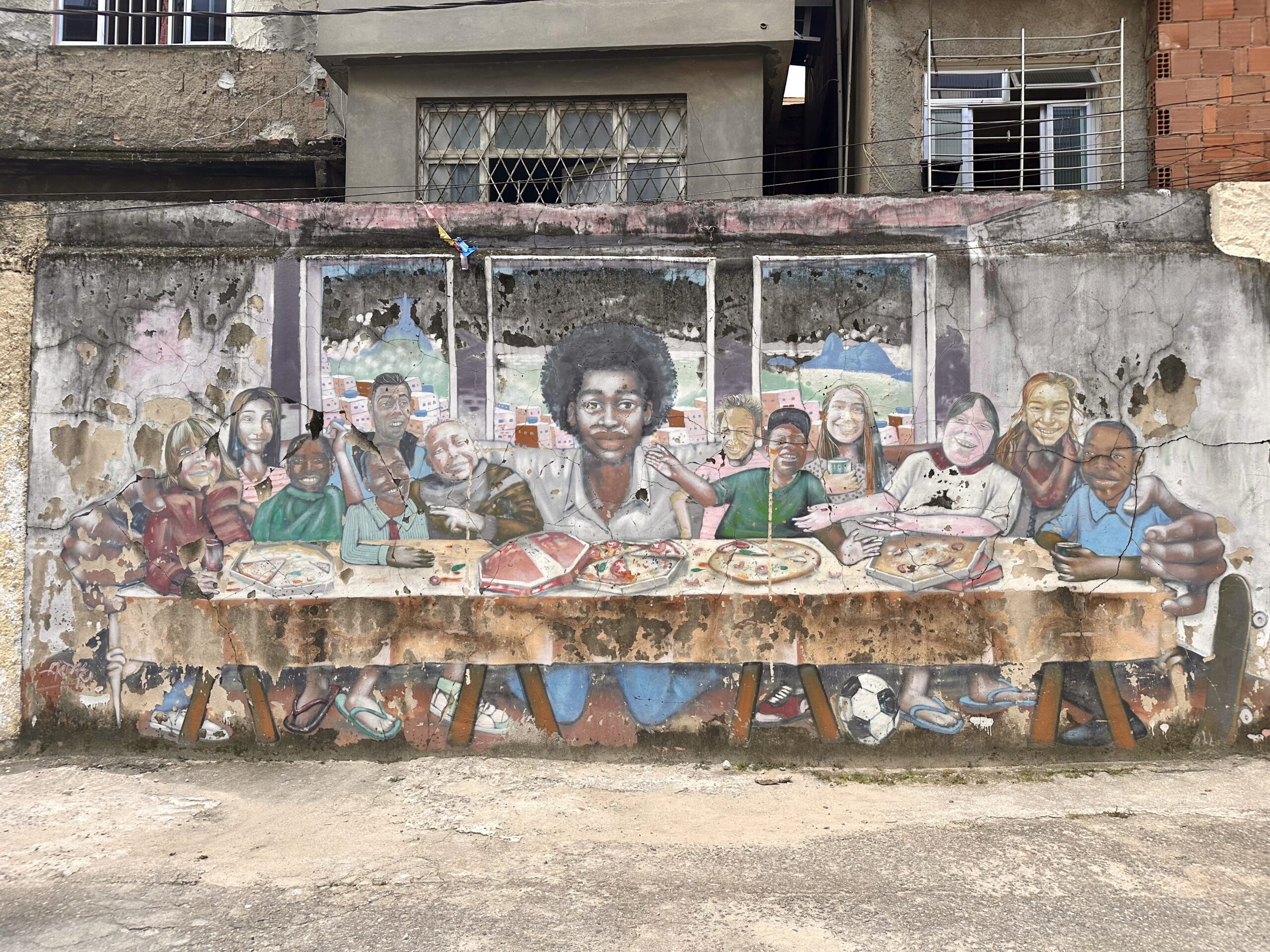
The mural felt like a powerful message of unity and resilience in a place often marked by conflict.
The tour ended with a stroll through a small local market before exiting at the bottom of Rocinha.
Afterward, we headed for a quick brunch at one of our favorite Rio food spots and then continued to our Pedra Bonita hike.
All in all, visiting Favela Rocinha was one of the most interesting, intense, and thought-provoking experiences we had during our trip to Brazil.
I don’t regret going, but I do think it’s important to approach it with sensitivity and the right expectations.
FAQ About Visiting Favela Rocinha
Are Favela Tours Ethical?
This is a complex question. Favela tours can easily become exploitative if not done respectfully, but when led by locals and designed to benefit the community, they can also provide much-needed income and awareness.
If you choose to visit, go with a tour led by people who actually live there (like those you can find on Airbnb Experiences) and always be respectful. Remember, you are visiting a neighborhood, not a theme park.

How Many Tourists Visit Rocinha?
Favela Rocinha is the most visited favela in Rio de Janeiro. Tens of thousands of tourists visit each year, especially during high season and around major events like the Carnival.
How Many People Live in the Rocinha Favela?
It’s estimated that about 100,000 to 120,000 people live in favela Rocinha, making it the largest favela in Rio and one of the largest in all of Brazil.
Is It Safe to Visit Rocinha?
If you visit with a local guide, yes, it’s generally safe. However, Rocinha is still an active community where tensions can flare up unexpectedly. Stick with your guide, follow instructions, and avoid wandering off on your own.

How Do People Get Around in the Favelas?
Most people in Rocinha get around on foot, by moto-taxi, or by local vans and buses. The streets are often too narrow and steep for regular cars, which is why motorcycles are such a big part of daily life.
Is a Favela Tour Worth It?
If you approach it with the right mindset, absolutely. Visiting Favela Rocinha gave me a much deeper understanding of Rio’s complexities and inequalities — things you don’t fully grasp by just visiting Copacabana and Ipanema.
It was uncomfortable at times, but real travel should challenge your perspective once in a while.
Final Thoughts
If you’re considering visiting Favela Rocinha during your trip to Rio de Janeiro, I encourage you to do so — but do it respectfully, support local guides, and go with an open mind.
It’s an experience that will stick with you long after you leave.
We also visited the Vidigal favela on our own when we went hiking the Morro Dois Irmãos trail, if you’re interested in reading about that, too.
I hope that this article has helped you and given you a good understanding of what it is like visiting Favela Rocinha in Rio de Janeiro. If you have any additional questions or comments, please let me know in the comment section below, and don’t hesitate to contact me.
If you like this post, please share it with your friends and follow Owl Over The World on Facebook, Instagram, and TikTok for more travel tips & inspiration.
Thank you for reading,
Bilyana
