
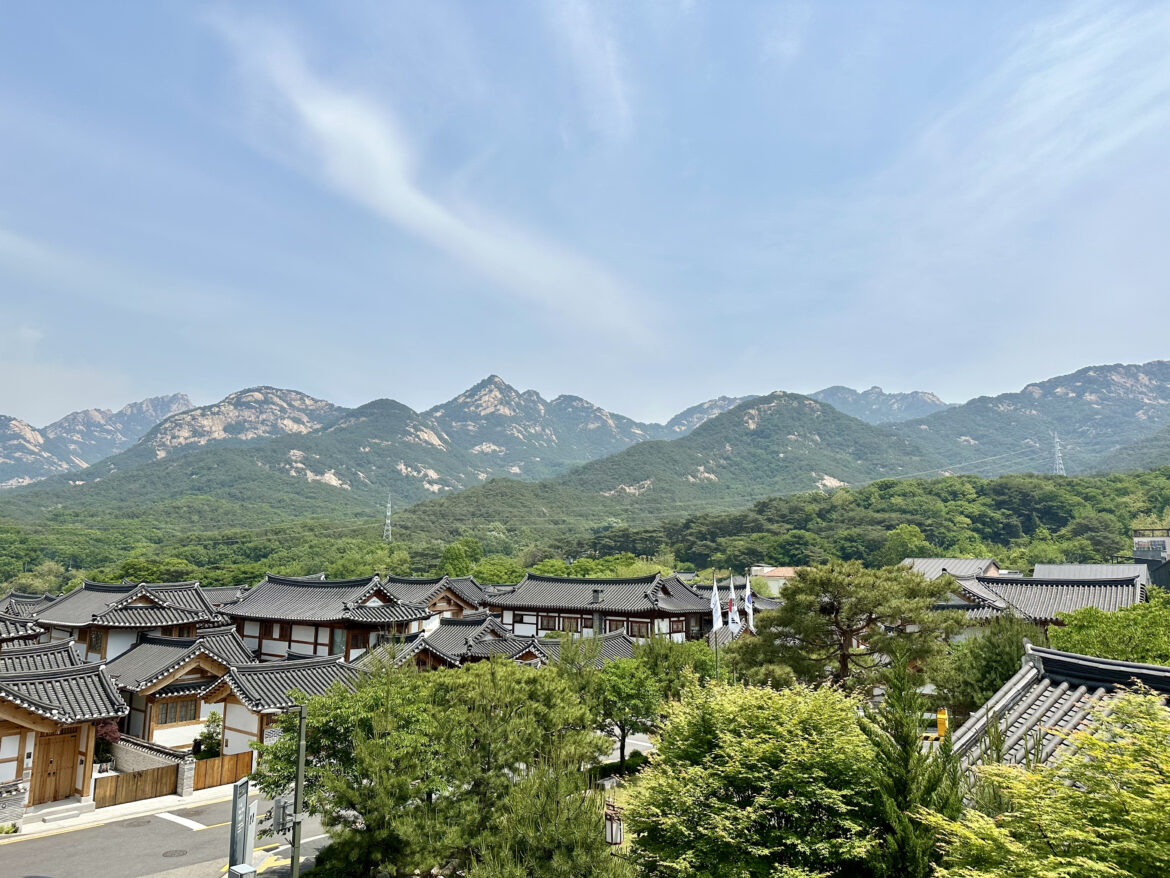
Are you planning your first trip to Seoul?
Traveling to Seoul for the first time may seem daunting, but with proper planning and these Seoul travel tips, you’ll be well-equipped for an amazing experience. The city’s mix of ancient traditions and ultra-modern conveniences creates a unique atmosphere that is likely to enchant you. I wanted to move there after spending less than 48 hours in the city.
In this article, I share my top Seoul travel tips for first-time visitors to help you make the most of your trip.
I am answering common questions like when is the best time to visit Seoul and how much it costs to travel to Seoul, and explaining how the Korean tax refund system works and the basics of Korean etiquette.
Let’s get to it…
Table of Contents
Seoul Travel Tips for First-Time Visitors: The Essentials
Visa Requirements for Visiting Seoul
Visitors from many countries, including the U.S. and most European Union countries, can enter South Korea visa-free for up to 90 days. From September 1st, 2021, all travelers from visa-exemption countries were obliged to complete an electronic entry form called the K-ETA before arrival. However, since April 1st, 2023, 67 countries have benefited from a temporary suspension of the obligation to present an electronic travel authorization. This exception is set to end on December 31st, 2024, so make sure to check.
If you want to stay longer, explore other visa options or visit the Korean consulate in your country for more information.

When Is the Best Time to Visit Seoul?
Seoul experiences four distinct seasons, each offering a unique perspective of the city. Spring (March to May) is arguably the best time to visit Seoul. The temperatures are comfortable, and the cherry blossoms are in full bloom. Fall (September to November) is equally pleasant, featuring stunning autumn colors.
Summer (June to August) can be hot and humid with occasional rain. Winter (December to February) is cold and dry. If you’re budget-conscious, winter is typically the low season, offering better deals on flights and accommodation.
We visited Seoul in mid-May and the weather was wonderful. Except for one rainy day, the rest of our week in Seoul was predominantly very sunny with comfortable temperatures of around 22°.

How Many Days to Spend in Seoul?
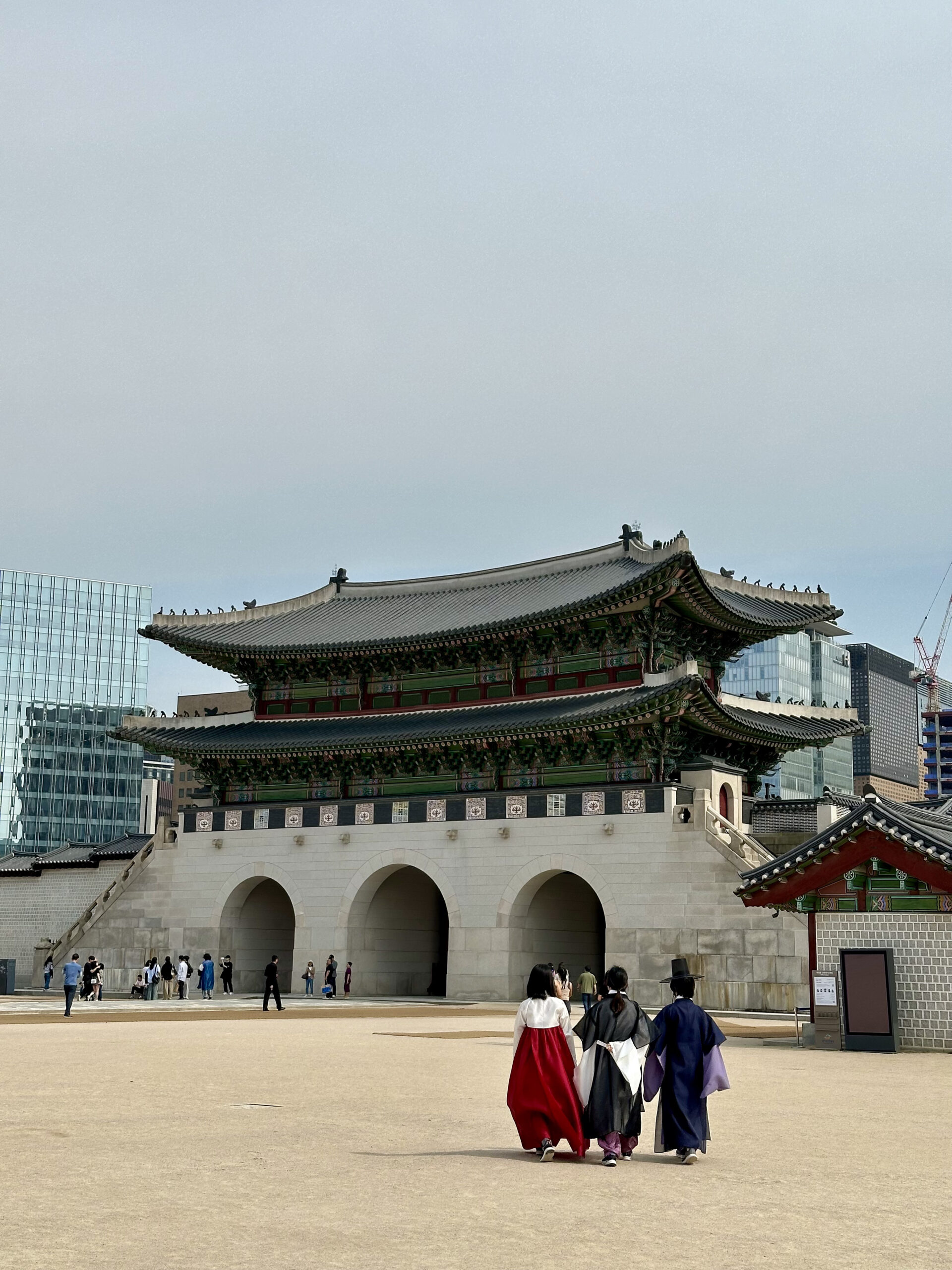
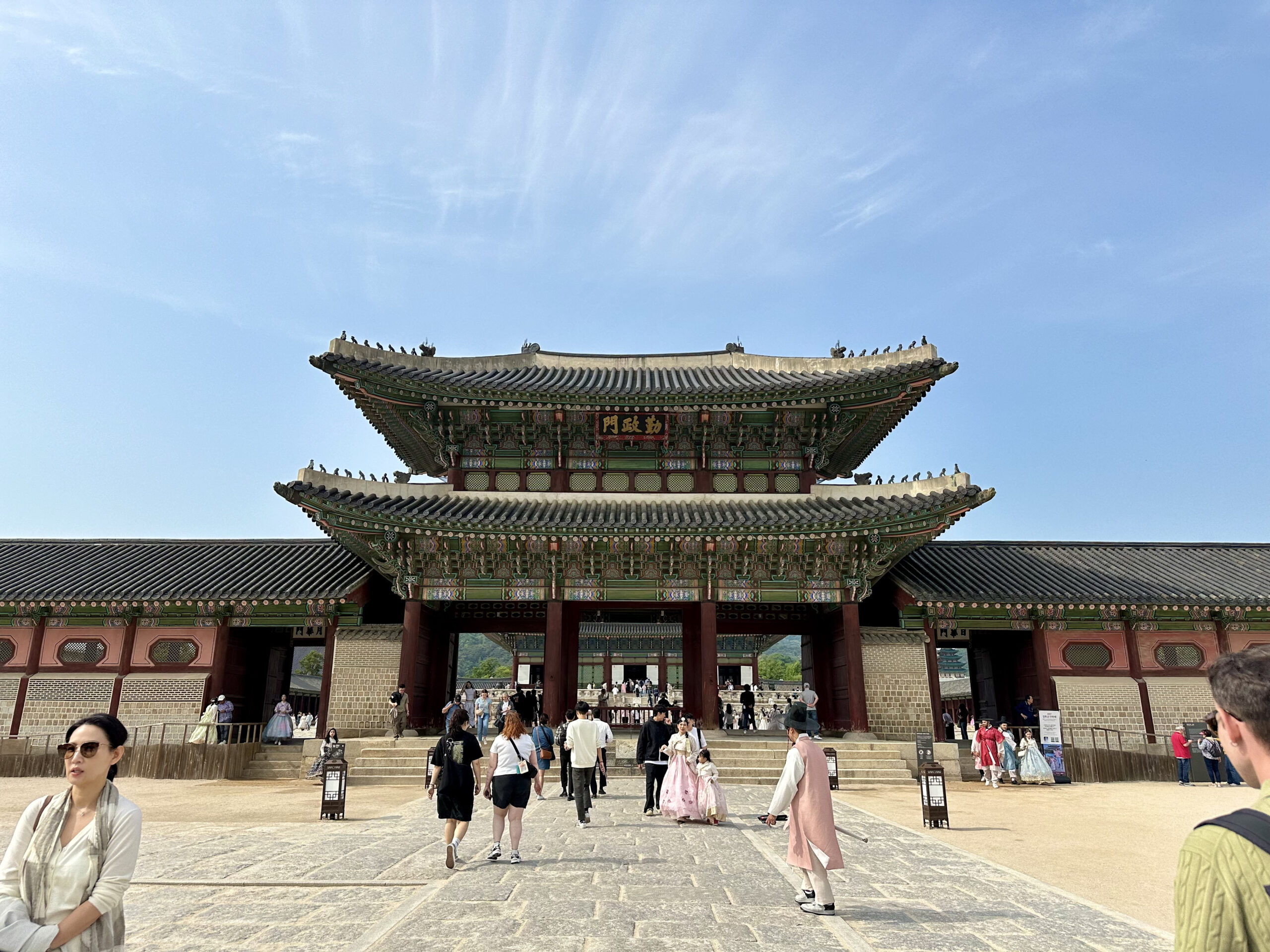
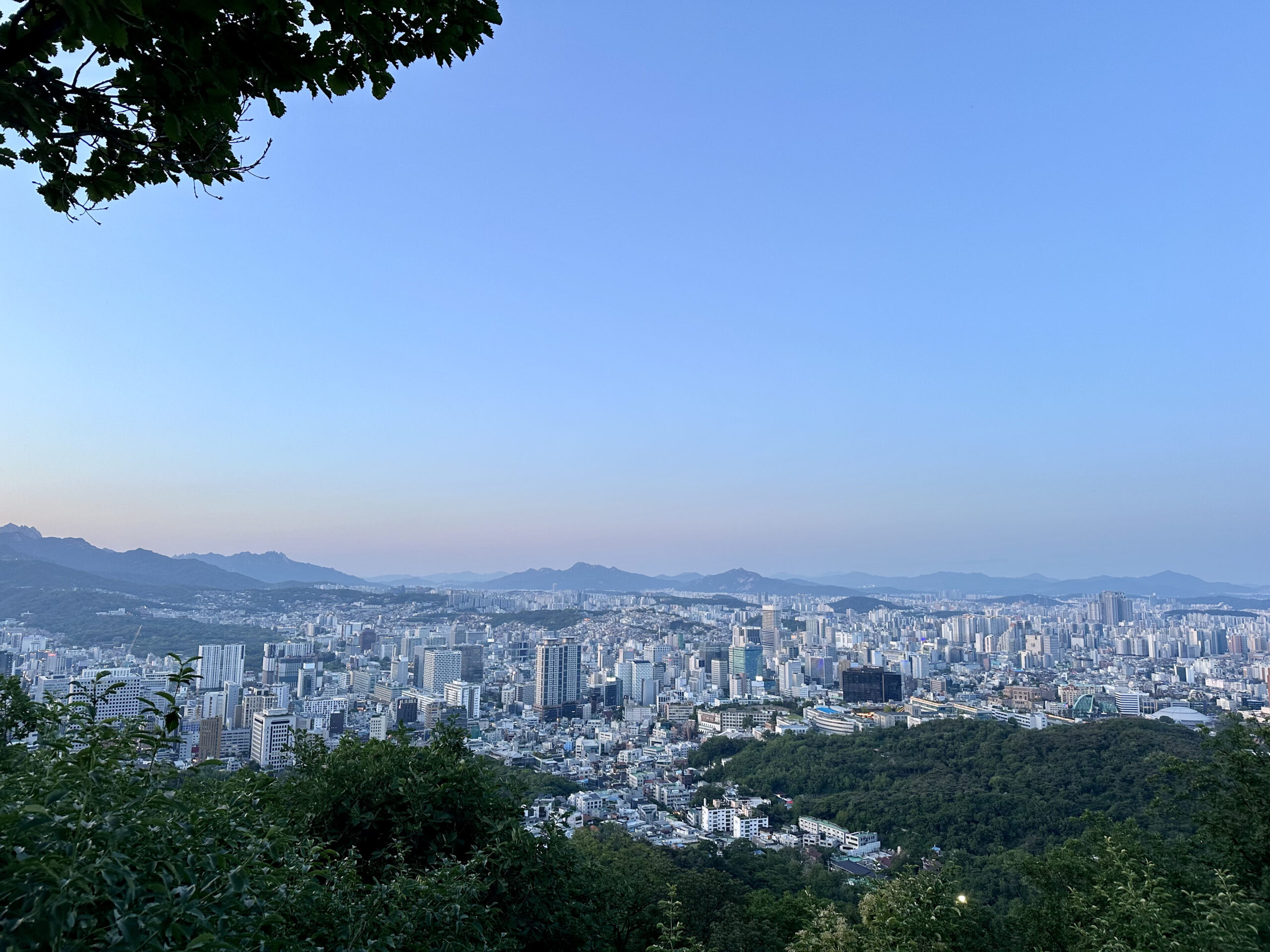
For first-time visitors to Seoul, I recommend a minimum of 5–7 days to be able to explore the city’s main attractions without feeling rushed. This allows time to visit major landmarks like Gyeongbokgung Palace and N Seoul Tower. You can also explore neighborhoods, take day trips, shop, and visit beauty salons.
If you’re planning far-away day trips from Seoul to places like Busan, consider staying for 10–14 days.
The Apps You Need to Have When Traveling to Seoul
Traveling around Seoul would be quite difficult if you don’t have some specific apps. For example, Google Maps has limited functionality in South Korea and won’t be of use to you while exploring Seoul. Since the language can be a barrier, too, a good translation app is also essential.
From navigation and translation apps to apps for public transportation and food delivery, I wrote an entire article dedicated to the travel apps you need for traveling to Seoul (check the attached link).

Seoul Travel Tips for First-Time Visitors: Getting Around
Is There a Lot to Do in Seoul?
Absolutely! There are tons of things to do on your Seoul itinerary. From historic places to modern attractions, unique artisanal coffee shops, K-pop experiences, and a booming cosmetics and beauty industry, there are a lot of things to do in Seoul for anyone, regardless of interests.
Most travelers find themselves extending (or wishing they could extend) their stay because there’s simply too much to experience in a single trip. This is one of the things I love the most about Seoul – you could never get bored.
Is Seoul a Walkable City?
The city is vast, about six times the size of Paris. Some neighborhoods have attractions, shops, and eateries closely located to one another and easy to explore on foot. However, Seoul is generally not a walkable city so it is essential to plan your itinerary wisely.
Focus on one or two neighborhoods per day. This will minimize travel time and maximize exploration. Traveling between areas often requires public transport. As the distances can be significant, it might take 45-60 minutes to travel between attractions in different parts of the city.

Where to Stay in Seoul?
Each of Seoul’s neighborhoods has its own unique character, attractions, convenience, and price range. Choose an area that best fits your interests (and budget) and book accommodations close to a subway station for easy access.
Here are some of the main neighborhoods suitable for Seoul first-time visitors:
-
Myeongdong:
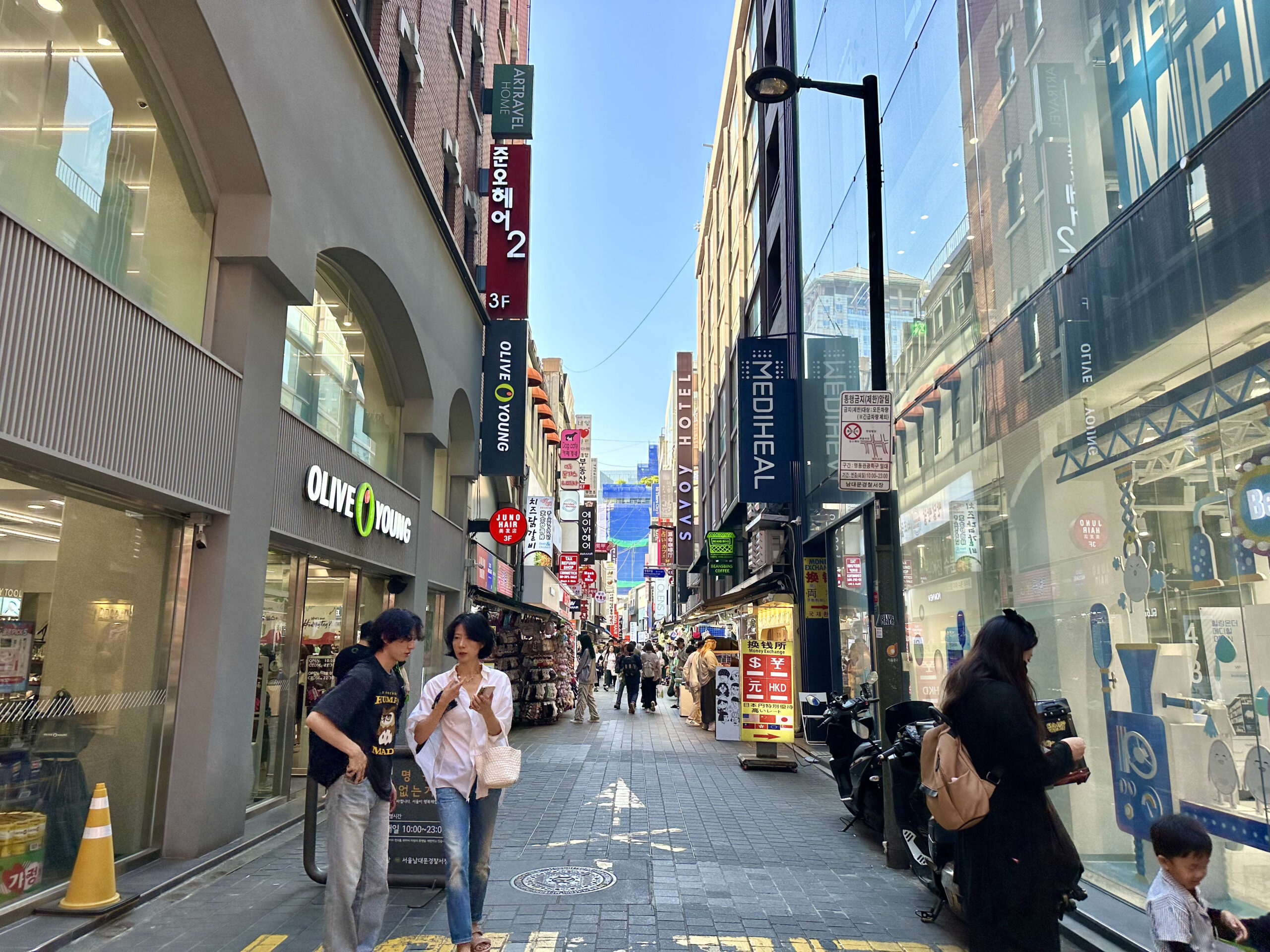
Central location that is perfect for first-time visitors. However, it is also one of the major shopping districts, so it gets crowded and noisy. There are many restaurants and street food options here as well. Accommodation prices here are higher as it is one of Seoul’s main tourist districts for shopping.
-
Hongdae:
This is the area to stay in for nightlife lovers. Apart from clubs and bars, Hongdae is also known for affordable shopping and dining, a youthful atmosphere, and more budget-friendly accommodation options. It can be very busy and noisy at night and sometimes overwhelmingly crowded.
-
Gangnam:
Gangnam is a modern, upscale area and one of the main business districts of Seoul. It is very clean and organized, but also pricier with high-end shopping, dining, and accommodation options.
-
Insadong:
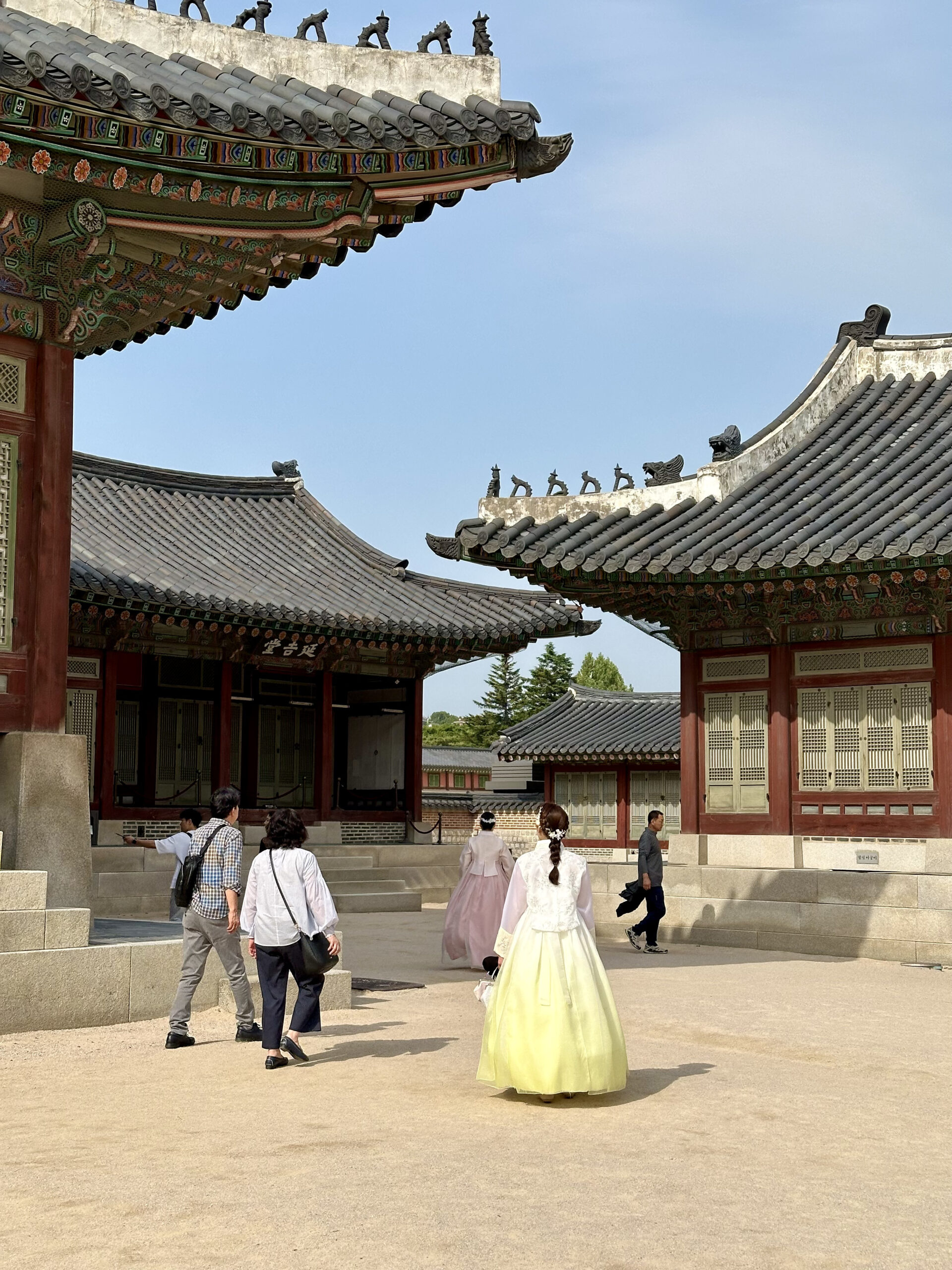
These two areas are the heart of traditional Korean culture. As home to two of Seoul’s top attractions, Bukchon Hanok Village and Gyeonghuigung Palace, this area is best for those interested in beautiful hanok architecture, traditional tea houses, and crafts and who are looking for a peaceful atmosphere.
-
Itaewon:
A central, foreigner-friendly area with lots of bars, cafes, and restaurants popular among expats. English is also widely spoken in this area. The National Museum of Korea and beautiful parks are located here.
Overall, I think the best areas for first-time travelers to Seoul are Myeongdong, Insadong, and Itaewon.

Getting Around Seoul Using Public Transporation
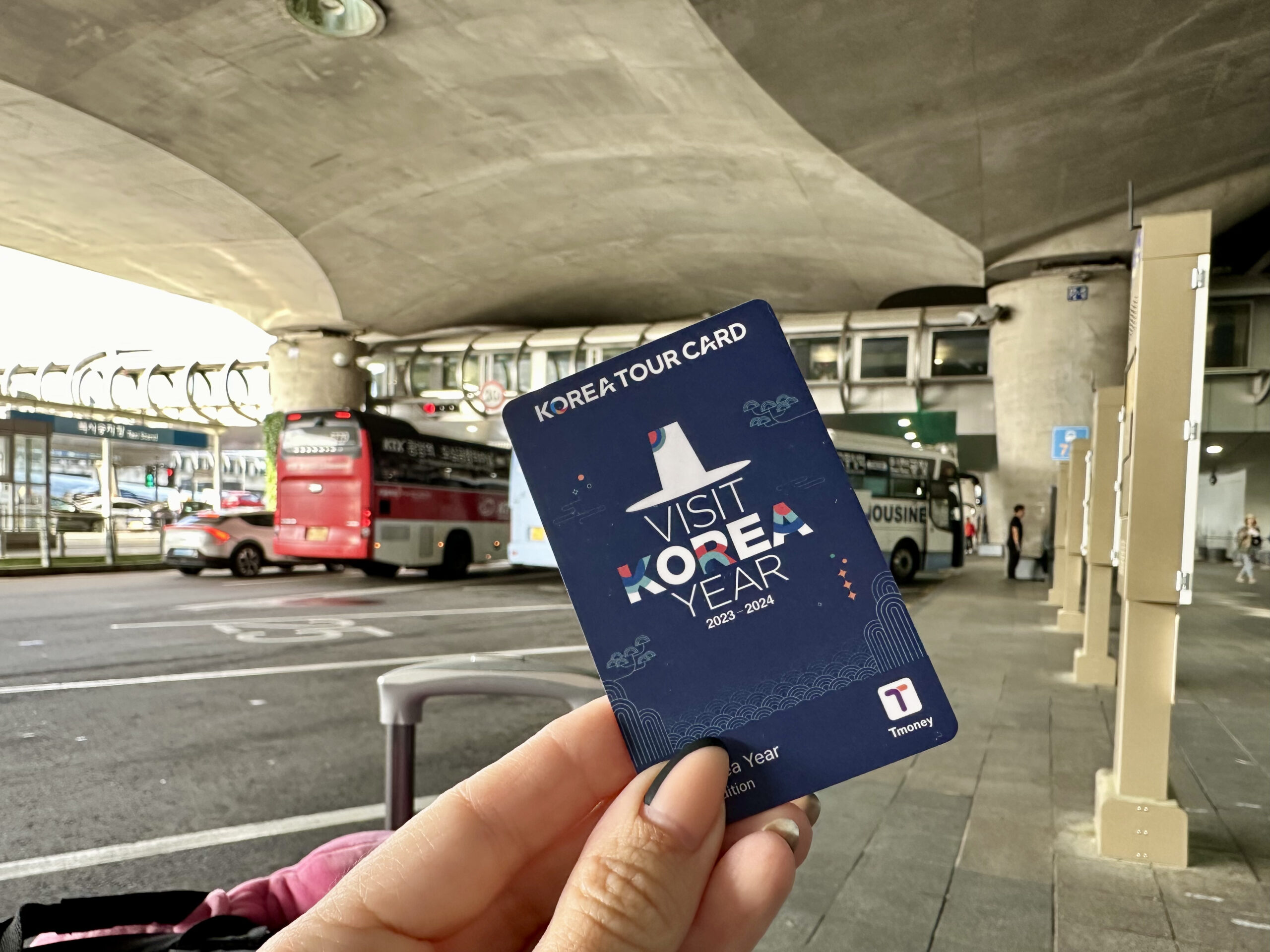
A T-money card is your best friend when traveling around Seoul. This rechargeable transportation card can be used on the subway, buses, and even in some taxis. Also, the T-money card can pay for items in convenience stores, attractions, some restaurants, and more. You can pay with your T-money card anywhere you see the T-money logo.
You can buy it from convenience stores like 7-Eleven and some subway stations. The initial fee is around 2-3 EUR, and then you top it up with the amount you want. You can add money to your card at convenience stores or the subway station vending machines. To top up the card, you will need cash.
Using the T-money card to travel around Seoul saves you time and money. It allows quicker access to public transport and often offers discounted fares compared to single-use tickets.
What Is the Best Way to Get to and from the Airport?
Incheon International Airport is approximately 60 km from the center of Seoul. There are three ways to travel between Incheon Airport and central Seoul, depending on your budget and schedule:
- Airport Limousine Bus
- Airport Railroad Express (AREX)
- Taxi
The Airport Railroad Express (AREX) takes about 43 minutes to link Incheon International Airport and Seoul Station. It is fast and convenient. It costs around 9,500 KRW/ 7 EUR and has dedicated seating, Wi-Fi, and USB chargers. Alternatively, airport limousine buses serve popular neighborhoods, costing 10,000–15,000 KRW/ 7-10 EUR. Taxis are, of course, more expensive, but could be the best option for you depending on where you are staying in the city and the time of day you want to travel between Seoul and the airport.
Our Airbnb was in the Seongbuk-gu neighborhood and for us, for example, the most convenient means of transportation was the limousine bus upon arrival and a taxi to the airport when we were departing.

Seoul Travel Tips for First-Time Visitors: Money Talks
How Much Does it Cost to Travel to Seoul?
The cost of a trip to Seoul depends on various factors, including your travel style, length of stay, where you are traveling from, and the types of experiences you want to have. Seoul is generally considered moderately expensive. Compared to other major cities in Southeast Asia like Hong Kong or Singapore, Seoul is relatively budget-friendly, but compared to cities like Hanoi or Phnom Phen, it can be considered expensive.
Here’s a closer look at Seoul travel costs to help you get a better idea of what to expect and how much to budget for your trip:
Flying to Seoul
Flights are often one of the most significant expenses related to traveling to a new destination. Flight costs vary by departure city and season. Here is what you can expect to pay for a round-trip flight to Seoul from different parts of the world:
- From Europe: Around 500 EUR during the low season and around 700-800 EUR during the high season.
- From North America: Around 1,000-1,200 USD.
- From neighboring Asian countries: Flights from China, Japan, Malaysia, Thailand, and Vietnam can be more affordable, ranging from 100-300 EUR, especially with budget airlines.
To find better deals, I recommend signing up for discount flights and cheap airfare notifications. Being flexible with your travel dates also often ensures you can find cheaper flights.
We flew to Seoul from Hong Kong for 180 EUR and then from Seoul to Istanbul via Ulaanbaatar for 300 EUR per person.
Accommodation in Seoul
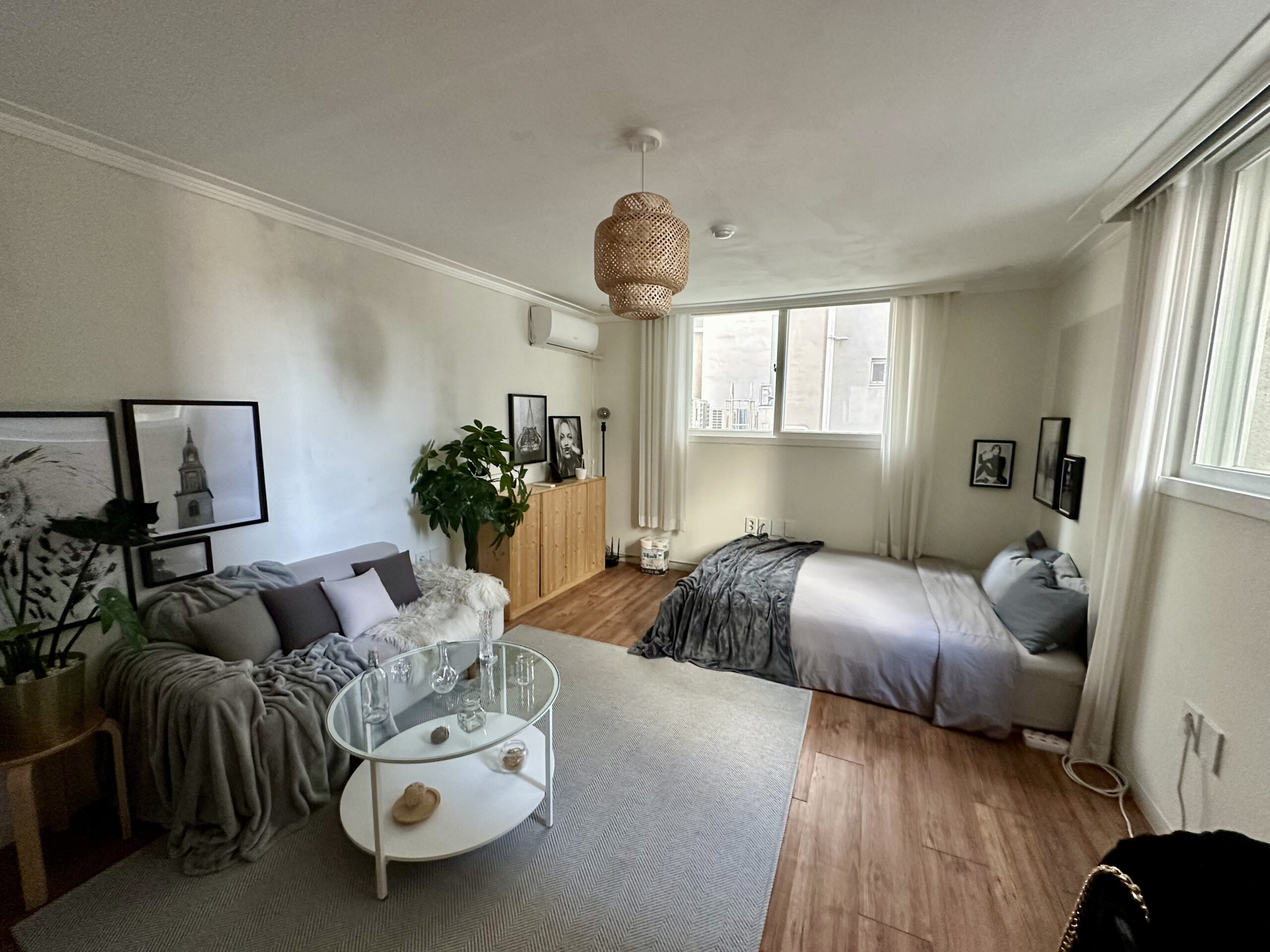
Seoul offers a wide range of hotels, hostels, apartments, etc. for every budget. There are hostels available for as little as 10 EUR per night to luxury hotels and accommodations that cost hundreds of dollars per night. So, depending on whether you are traveling by yourself, with a friend, or with your partner, the area you decide to stay in, and the length of your stay, your accommodation costs can vary significantly.
Here’s a more detailed breakdown:
- One week’s stay in a hostel or a guesthouse would cost you an average of 100-150 EUR.
- One week’s stay in a mid-range hotel would cost you an average of 300- 500 EUR for 2 people.
- One week’s stay in a luxury hotel would cost you an average of 1,000+ EUR for 2 people.
We booked an Airbnb for our one-week stay in Seoul, which cost us 434 EUR.
Food and Dining
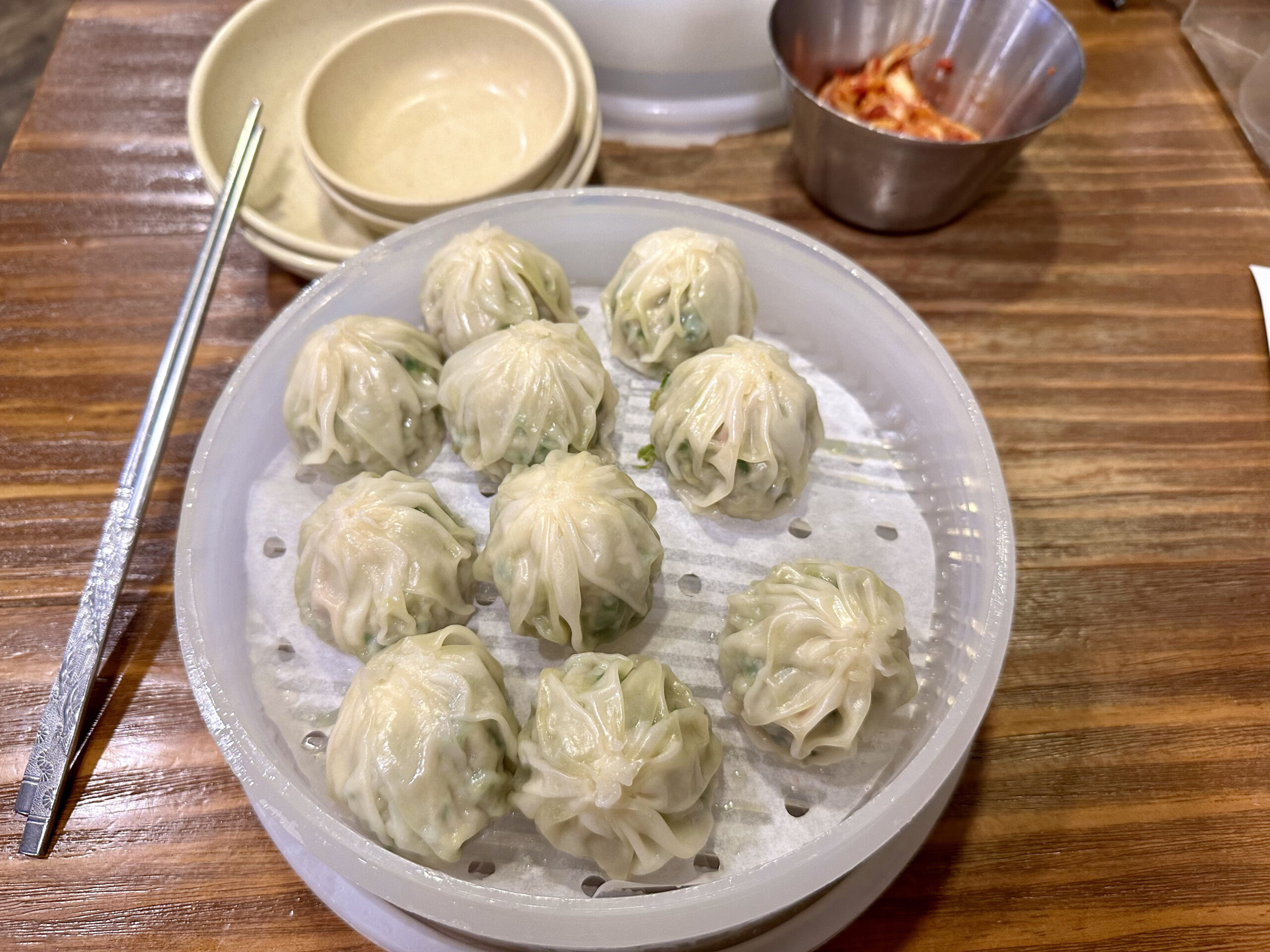
Eating in Seoul is incredibly diverse, with options that can accommodate any budget. Street food and small, local restaurants (like kimbap shops and barbecue spots) make dining out affordable and delicious. You can enjoy a hearty Korean meal for around 5–10 EUR at local eateries, while street food favorites, like tteokbokki (spicy rice cakes) or hotteok (sweet pancakes), usually cost only a euro or two. In contrast, upscale restaurants and fine dining can range from 30 to 100 EUR per person, especially in popular districts like Gangnam or Itaewon.
- The Michelin-starred dumplings of Myeongdong Kyoja cost 8 EUR per serving.
- A serving of chicken katsu (including sides) typically costs between 7-12 EUR.
- The theme/ trendy cafes are on the pricier side. There, a cappuccino could cost 3-4 EUR and a pastry could cost 6-8 EUR.
We mainly chose budget-friendly restaurants and eateries, and as you can see from the examples I gave, you can eat out in Seoul without breaking the bank.
Transportation Costs
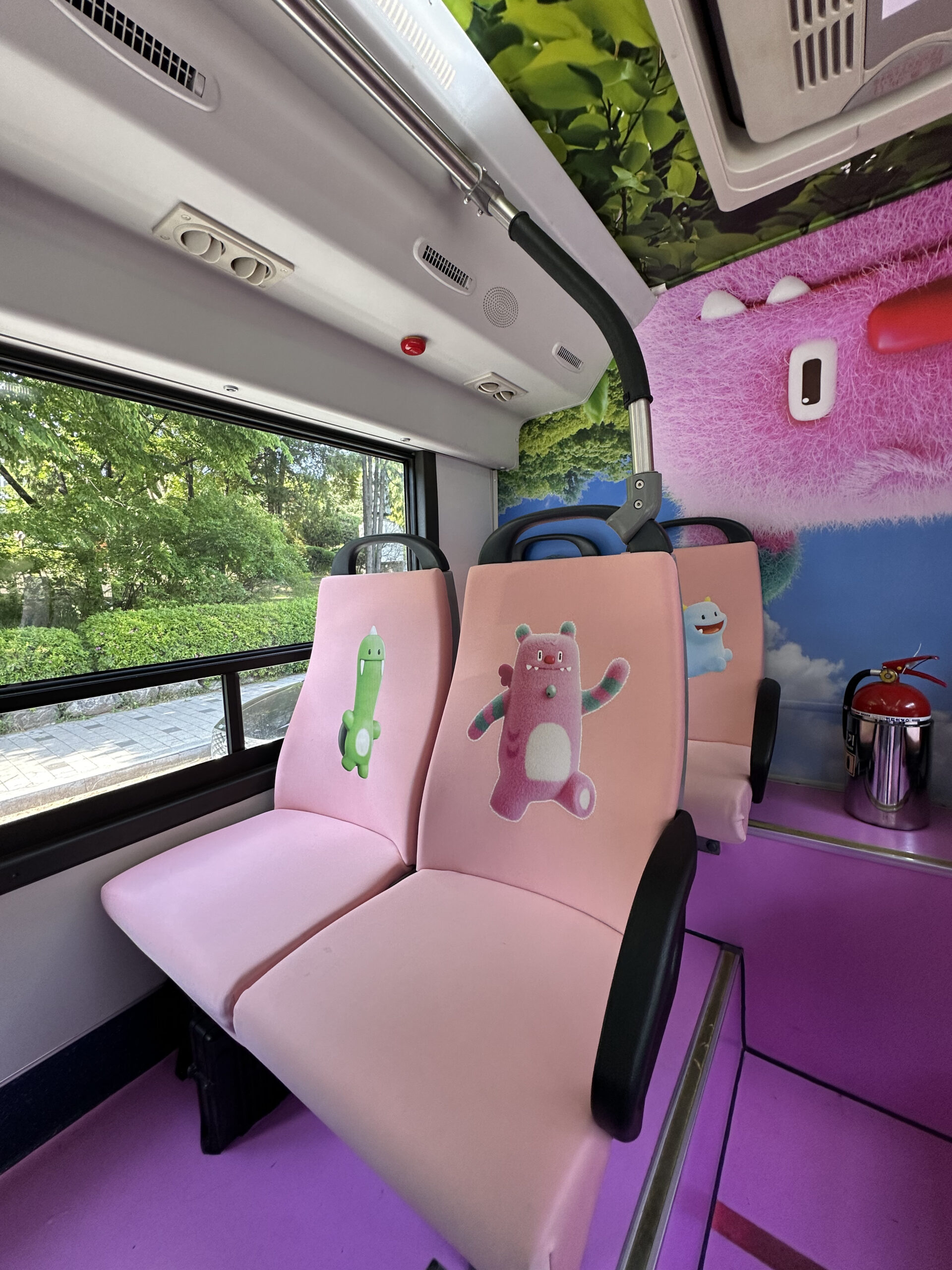
Expect to spend between 10-15 EUR a day traveling around Seoul using the public transportation system.
Sightseeing and Attractions
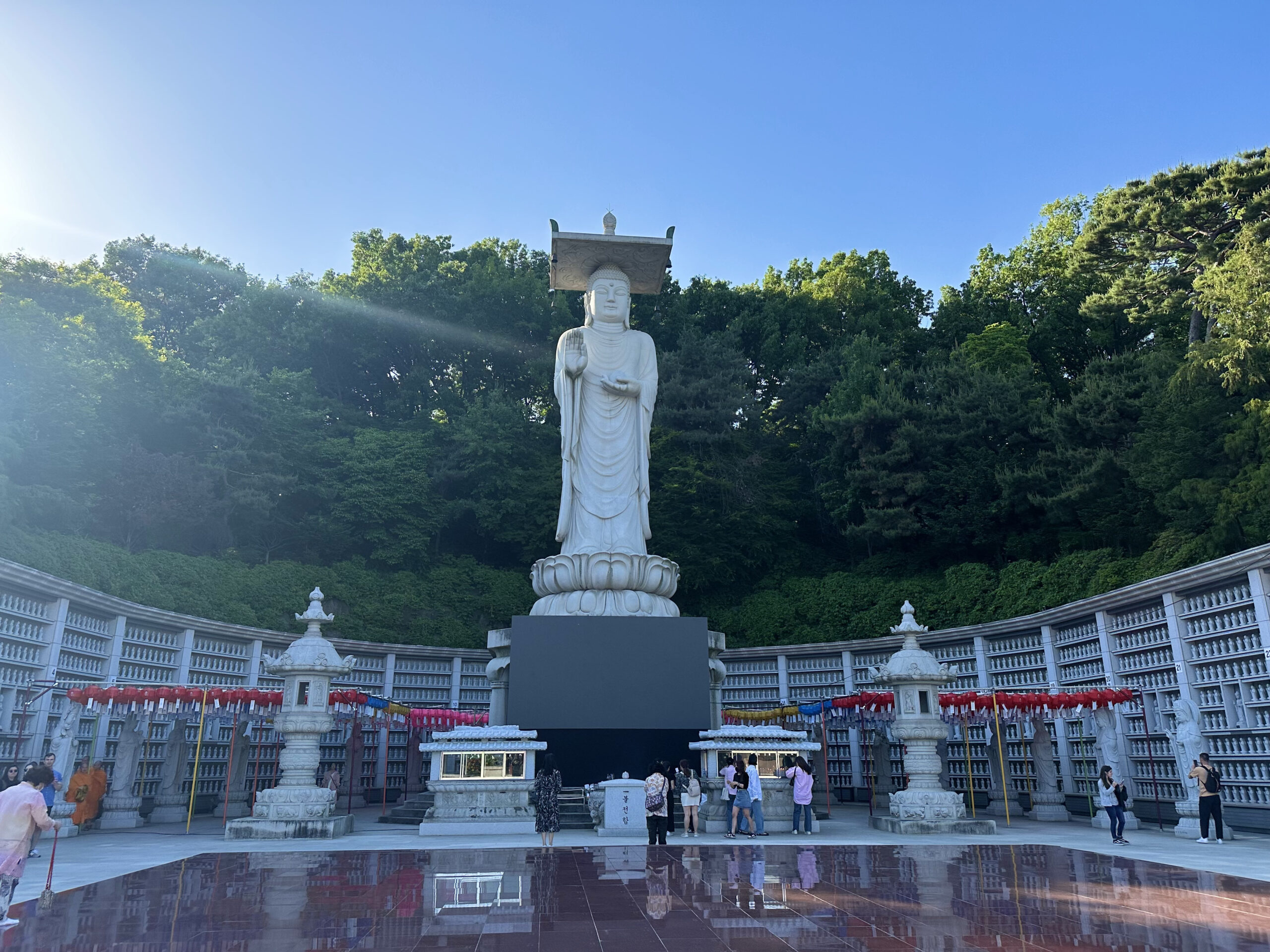
Many of Seoul’s popular attractions are either free or come with a low entrance fee. The entry fee for visiting Gyeongbokgung Palace, for example, is only 2 EUR. Other things to see and do in Seoul, such as the Bukchon Hanok Village and most parks, are also free to explore. However, modern attractions like Lotte World and Everland theme parks can be pricier, with tickets costing around 30–50 EUR per person.
A budget of 10-20 EUR per day for sightseeing and attractions is reasonable.
Shopping
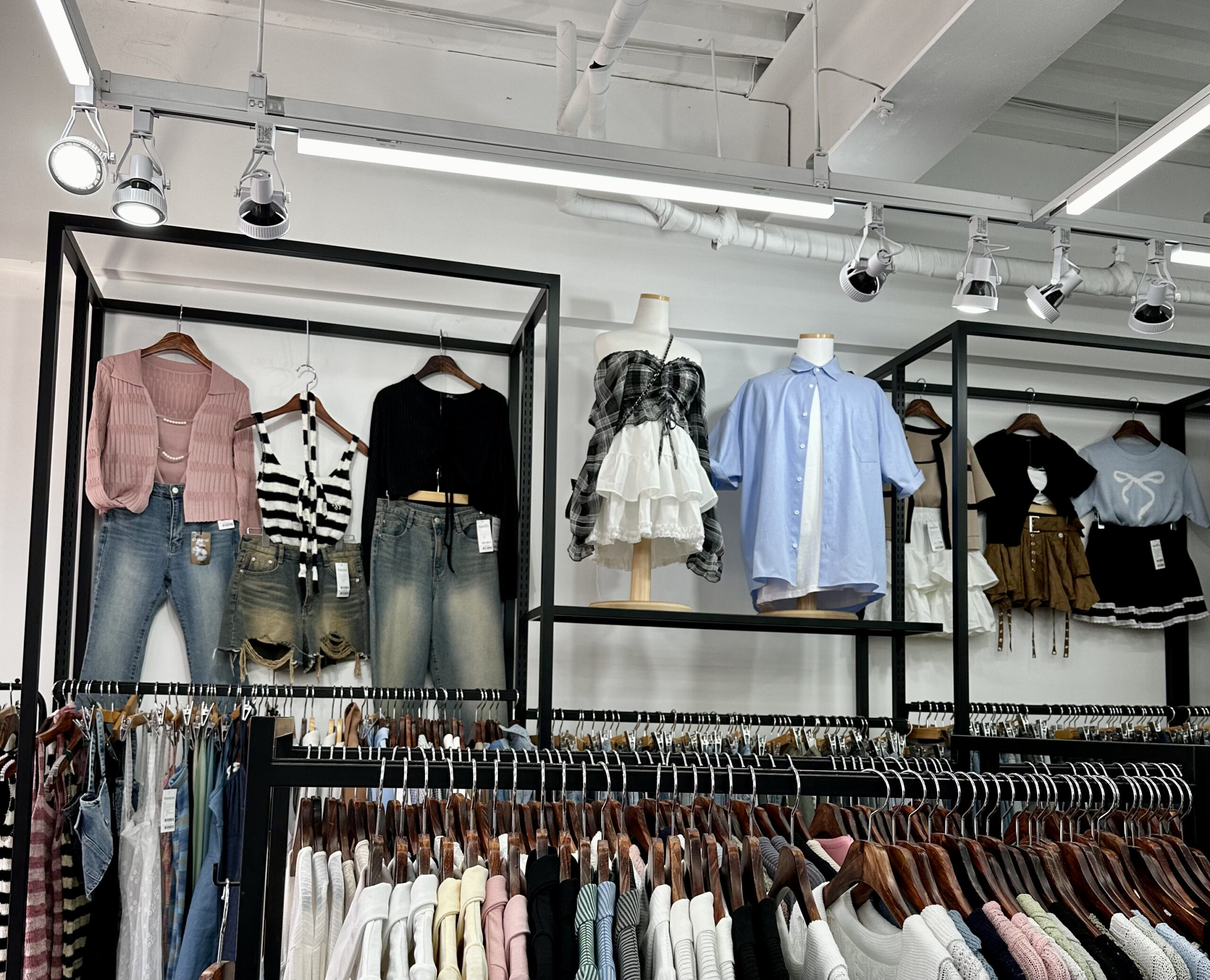
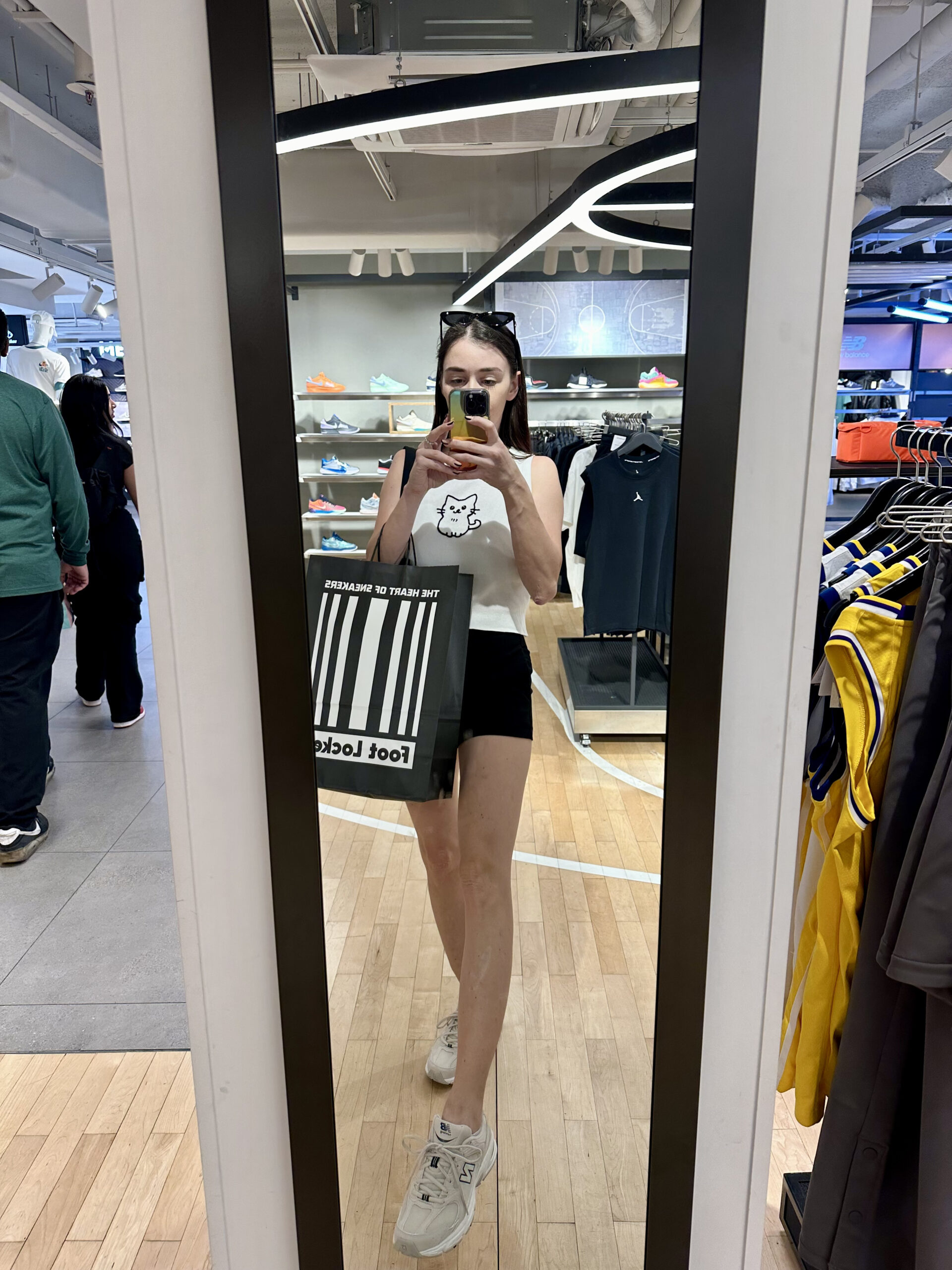
Seoul is a paradise for shopping lovers, and you could easily spend 200 or more EUR just for shopping. Of course, this would vary a lot for everybody. I, for example, spent about 300 EUR on shopping. I bought a pair of new sneakers, some clothes, cosmetics, souvenirs, and a big suitcase to fit it all.
Seoul Travel Tips for First-Time Visitors: Safety
Is Seoul Safe to Travel to?
First-time travelers to Seoul shouldn’t worry about safety as the city has a very low crime rate and a secure transit system. Theft and pickpocketing are very rare, but it’s always wise to be cautious with personal belongings in busy areas.
Is Seoul Welcoming to Foreigners?
Seoul has a growing community of expats, students, and workers from different cultures from around the world. Some of them are reporting that they have been a victim of racism or that they have been made to feel uncomfortable due to Koreans’ openness and straightforwardness (that doesn’t typically intend to offend people; it’s just how they are). However, tourists rarely experience any of that.
If you get to talk with locals, they are usually very nice, polite, and friendly, but do not expect them to be interested in you just because you are a tourist/ foreigner. In some other Asian countries, it is very common to attract attention and for locals to approach you for a conversation or a photo, but in Seoul that doesn’t happen.

Is the Tap Water in Seoul Safe to Drink?
The tap water in Seoul is generally safe to drink. However, some older buildings tend to have low-quality pipes, and it is common in those buildings for the water to sometimes come out rusty. For that reason, many locals use a water purifier or buy bottled water.
Overall, the Seoul water quality meets international standards, and according to some sources, it even exceeds them.
Staying Connected in Seoul
Staying connected in Seoul is easy. Local SIM cards are available for purchase at the airport and convenience stores. Major carriers include KT, SK Telecom, and LG U+, which offer SIM cards with various data packages. For those with eSIM-compatible devices, eSIMs can be easier. They don’t require swapping a physical card, and you connect as soon as you land. I have always opted for an eSIM recently.
Getting an eSIM for Seoul saved not only my time but also money. My boyfriend bought a physical SIM card locally, which ended up costing significantly more than the eSIM I got from ByteSim. The eSIM was generally working well with the exception that I couldn’t access an important work-related app (not a common one), and I also think I sometimes had a poor connection, which also prevented me a few times from accessing and effectively using Naver map.
With this being said, I wouldn’t necessarily recommend ByteSim. In fact, I would recommend checking other South Korean eSIM providers, such as Holafly, Yesim, or Airalo.

Seoul Travel Tips for First-Time Visitors: Culture & Language
The Basics of Korean Etiquette
Familiarizing yourself with Korean etiquette can enhance your interactions and experiences in Seoul. Here are some things to keep in mind:
Basic manners:
- Koreans bow as a sign of respect when greeting others, especially those older or in a higher position. A slight bow is appropriate for most casual interactions, while a deeper bow may be used for more formal occasions.
- When giving or receiving items (like a business card, cash, or even a cup of tea), it is polite to use both hands or to support your forearm with your other hand. This gesture shows respect and is a standard part of Korean etiquette.
Dining etiquette:
- When dining with a group, it is customary to wait for the eldest person to begin eating before starting yourself.
- Avoid sticking your chopsticks vertically into the rice bowl, as this resembles a ritual related to funerals. Instead, rest them on the chopstick holder or across your plate.
- It’s okay to lift bowls close to your mouth.
- Typically, chopsticks are used for side dishes (banchan), while the spoon is used for soups and rice.
Public behavior:
- Give up seats to the elderly, pregnant women, or disabled persons. In the subway, there are seats for pregnant women and the elderly, and even if there aren’t such people to use them, sitting on them might be seen as offensive.
- Loud conversations or laughter can be considered disruptive, especially on public transport.
- Although Seoul can be crowded, it is polite to maintain a sense of personal space where possible and to avoid physical contact with strangers.
- Tipping is not practiced in South Korea, so there’s no need to tip in restaurants, hotels, or for services.
Do They Speak English in Seoul?
Younger generations, students, and professionals in tourist areas generally have a basic to conversational level of English. But, outside major tourist spots, it may be harder to find English-speaking locals. Public spaces, like popular restaurants and hotels in Gangnam, Myeongdong, and Itaewon, often have English-speaking staff. But, small businesses, traditional markets, and residential areas may have fewer English speakers.
Make sure to download Papago, a Korean translation app. It can help with conversations and translating menus and signs.
Learning a few Korean words and expressions can also enhance your interactions with the locals, as making an effort is always appreciated.

Seoul Travel Tips for First-Time Visitors: Shopping
Understanding How the Korean Tax Refund System Works
If you are planning to go shopping in Seoul (I mean, who doesn’t?!), I have good news for you—South Korea is one of the few countries that allows tourists to shop tax-free and get back the 10% VAT (Value Added Tax) on eligible purchases.
Tourists visiting Seoul who spend over a certain amount (generally KRW 30,000 or around 20 EUR) at stores displaying “Tax-Free” or “Tax Refund” signs are eligible for a refund of this VAT. To qualify, the goods must be taken out of Korea within three months of purchase. Many department stores, boutiques, cosmetics shops, and even some duty-free shops participate in this program.
Here’s how it works:
- Collect your receipts: When you make a purchase, ask the cashier for a tax refund receipt. Keep this receipt, along with your regular purchase receipt.
- Visit the tax refund kiosks at the airport: At the airport, visit one of the tax refund kiosks before check-in. These kiosks are usually located near customs desks.
- Present your receipts and passport: Provide the refund information you are asked about, which typically includes your passport and the receipt.
- Collect your refund: Refunds are processed at the kiosk or counter and are available as cash in Korean won, credit back to your card, or sometimes as vouchers for in-airport use.
The tax refund process is very easy, but there are some extra things to know about it so there is no confusion:
- At some shops like Olive Young, tax is deducted immediately. You can keep the receipt, of course, but you can’t use it again at the airport kiosks. Sometimes, the cashier might refund the tax without you knowing. So, ask if the tax is deducted at the time of purchase or if you need to collect it when leaving the country.
- To leverage the tax refund system, you need to be staying in South Korea for less than 6 months.
- You must depart from South Korea within three months of the item’s purchase date.
- Food and consumable goods, as well as services (hotels, restaurants, head spas, etc.), are not eligible for tax refund.
- Compare prices between tax-free shops and regular stores as some tax-free shops might sell certain items at a higher price.
- The official rules say that the products must be new and unopened. However, most of the things I bought in Seoul were tax-free, or I got an immediate refund at the store. So, the only purchase I had to collect a refund for was the sneakers I bought there and was wearing when requesting the tax refund.
Overall, there are slight differences between the official rules and my experience, but my advice would be to follow the rules anyway. You might also be asked to show your purchased goods to the customs officer.
Seoul Is a Cosmetics Heaven
Korea’s innovative skincare and makeup products have taken the global beauty industry by storm. People worldwide are crazy about Korean cosmetics. Many travel to Seoul to shop or try beauty treatments.
One essential stop for Korean cosmetics lovers is Olive Young, Korea’s largest health and beauty retailer. With a wide selection of skincare, makeup, supplements, and personal care items, Olive Young serves as a one-stop shop for all things K-beauty. Don’t miss the “Best Sellers” section, which highlights the most popular items loved by locals and tourists alike.
For those who want to experience innovative beauty procedures, make sure to research different clinics, read reviews about the procedures and the doctors, and book in advance.
Here are some tips for cosmetics shopping in Seoul:
- Shop at official stores or authorized retailers and make sure to check the manufacturing dates.
- Many stores offer free samples, so you can try out different products and formulas before making a decision.
- Stock up on exclusives and your favorite products. There are often 1+1 deals as well.
- Sales staff are generally knowledgeable and can guide you toward what’s trending or best suited for your skin, so don’t be shy to ask.
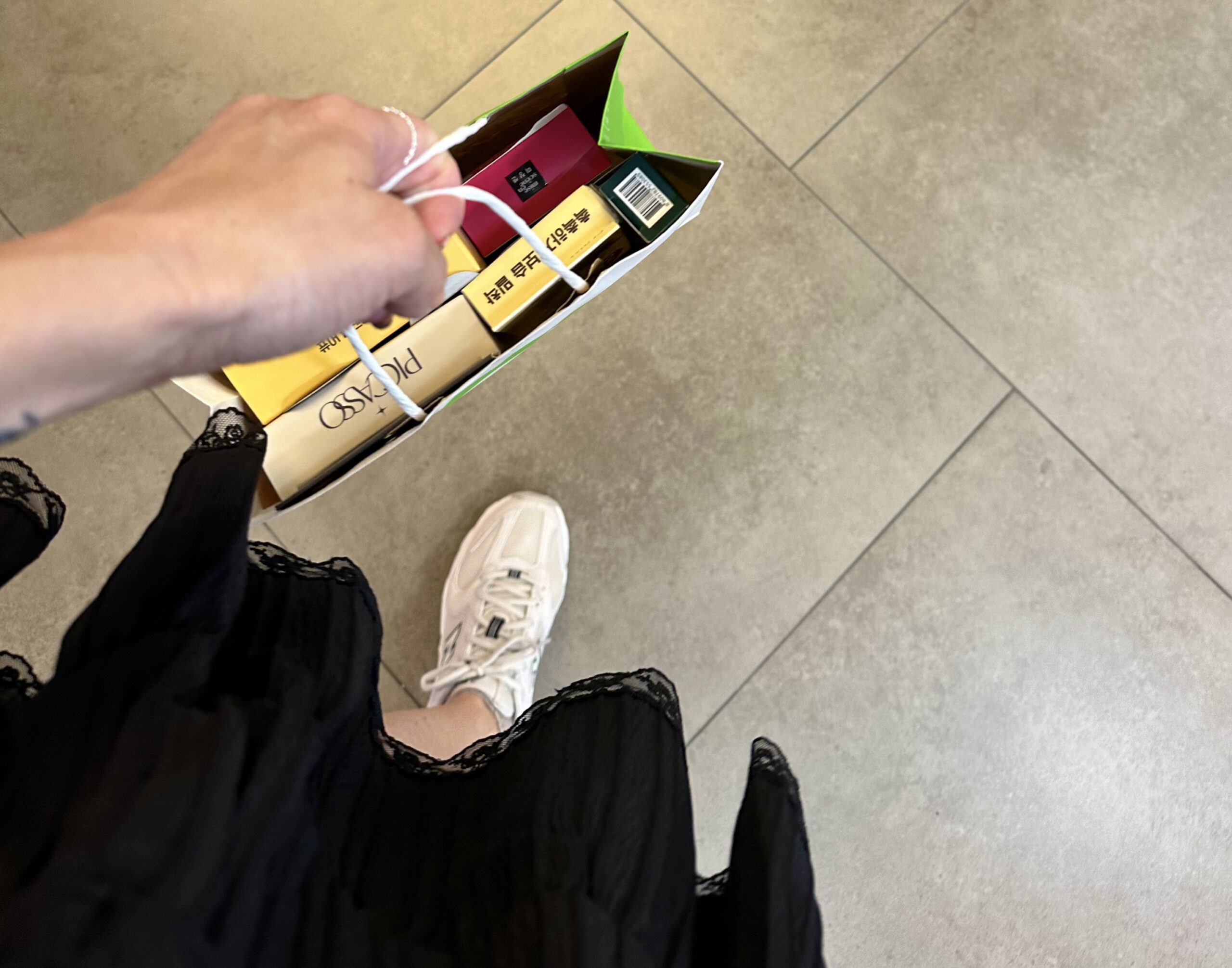
NOTE: While prices are generally good, don’t get carried away by buying too many products. Focus on items that are significantly cheaper than in your home country or unique to the Korean market. Also, consider your luggage space and airline liquid restrictions when shopping.
I hope that this article has helped you and given you a good understanding of how to plan your first trip to Seoul and the things you need to know before you go. If you have any additional questions or comments, please let me know in the comment section below, and don’t hesitate to contact me.
If you like this post, please share it with your friends and follow Owl Over The World on Facebook, Instagram, and TikTok for more travel tips & inspiration.
Thank you for reading,
Bilyana
