

If you’re planning a trip to Brazil and wondering what to expect from São Paulo, this guide will help! Here, I’m sharing the most useful São Paulo travel tips, things to know before visiting, answers to common questions, and practical advice — all based on my experience after spending a week in the city.
Before my partner and I visited, I honestly didn’t know if I’d like São Paulo, as so many people said it’s too big, chaotic, and not worth it. But I ended up loving it. São Paulo is full of culture, food, energy, amazing street art, and cool neighborhoods.
I think if given the chance São Paulo could be a lot more liked as a destination and to help people like it better, I have a list of my best recommendations for things to see and do in the city, as well as a guide on some of the best food places in São Paulo – so check them out!
And now, without any further ado, here are my top São Paulo travel tips and answers to the most common questions about visiting the largest city in both Brazil and South America.
Table of Contents
Is São Paulo Worth Visiting?
In my opinion, São Paulo is absolutely worth a visit! Yes, it doesn’t have beaches or the postcard-perfect views of Rio, but it offers incredible art, architecture, nightlife, history, and one of the best food scenes in South America. It’s also a great place to start or end your Brazil trip.
If you’re still unsure, check out my full list of things to do in São Paulo — I think it will convince you!
What is São Paulo Famous For?
São Paulo is famous for being the largest city in Brazil and one of the largest in the world. It’s known for its multicultural food scene, art galleries, street art, museums, vibrant nightlife, and huge Japanese community. It’s also a business capital, so the vibe is very different from Rio.
Is São Paulo Expensive to Visit?
I was positively surprised as São Paulo is cheaper than many major European cities. Eating out is of great value, attractions are affordable, and transport is cheap. Overall, São Paulo can be done on any budget — from backpacker to luxury, and I definetely wouldn’t say that it is expensive to visit.
Recommended Daily Budget for São Paulo
Here’s a rough idea for daily spending (per person):
- Budget traveler: €30/day — hostels or budget hotels, public transport, street food
- Mid-range traveler: €30–100/day — boutique hotels/Airbnb, Ubers + metro, eating at nice cafes & restaurants
- Luxury traveler: €100–200/day or more — luxury hotels, fine dining, private tours, shopping

How to Get Around São Paulo
Another one of my São Paulo travel tips is not to be intimidated by the city’s size. It’s massive, yes — but public transport makes it easy to move around. Here are the different ways in which you can get around São Paulo.
- Walking: Some neighborhoods like Paulista, Jardins, Vila Madalena, and Pinheiros are pleasant and safe to walk around. That said, always check distances first. São Paulo is huge, and what looks close on the map can be a long walk.
-
Metro: Clean, fast, affordable, and one of the best ways to cover big distances. We used it a lot because, really, it is so convenient.
-
Bus: Also cheap, but slightly harder to navigate without speaking Portuguese or using Google Maps. You pay a person who is there to collect ticket money – something we didn’t realize for quite a while on our first bus ride, and the funniest thing is that this person was just there watching us and not saying anything. The driver tried to explain it to us, but since we don’t understand Portuguese, we were just sitting and looking around confused.
-
Uber: Very affordable and very convenient. We didn’t use it as much as we did in Rio, just because the metro was always our first choice, but a couple of times, especially at night, we made use of it. When using Uber (or regular taxis), be aware of traffic as it can get very heavy during rush hour – we almost missed our flight back because of the heavy traffic.

Is it Safe to Walk Around São Paulo?
Yes and no — it depends where and when. In tourist-friendly areas like Paulista, Jardins, Pinheiros, and Vila Madalena, we walked everywhere during the day and felt safe. But you still need to stay alert (pickpocketing happens) and avoid walking alone at night, especially in deserted streets.
Is São Paulo Safer Than Rio?
That’s a tricky one — I’d say it depends on the neighborhood. Both cities have safe areas and less safe areas. In both, you should follow the same basic safety tips (which I talk about in my Rio travel tips guide here). Personally, we felt equally safe in both cities during our trip.
What is the Safest Area to Stay in São Paulo?
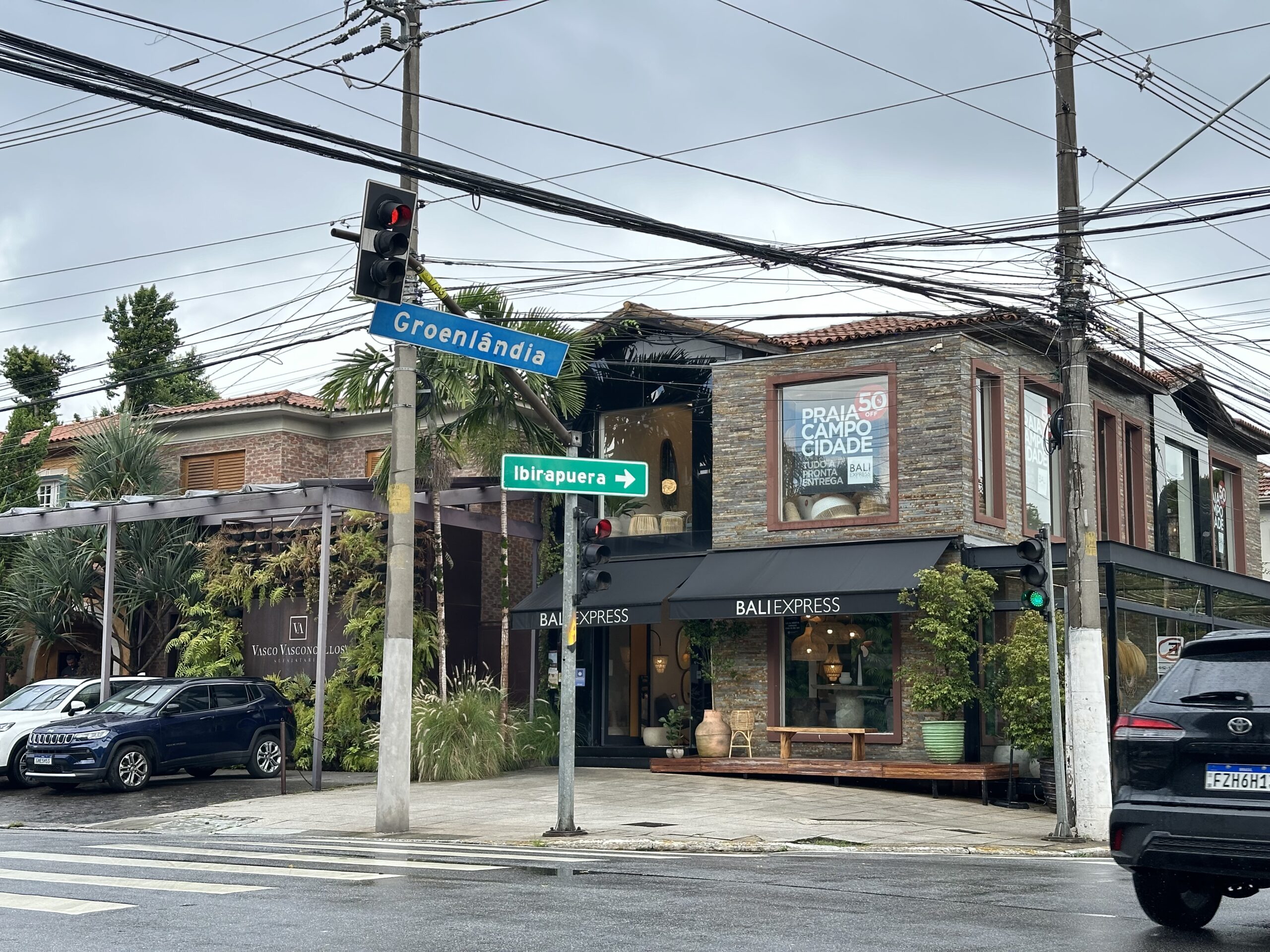
Jardins is generally considered one of the safest areas for tourists to stay. It’s central, well-connected, and full of shops, restaurants, and nice hotels. We personally stayed in Pinheiros, which we loved — very lively and walkable, with lots of cafes, bars, and street life. We also found the neighborhood to be safe.
Where to Stay in São Paulo?
Choosing the right neighborhood is one of the best São Paulo travel tips I can give you, as it can totally shape your trip.
Here are my best recommendations:
-
Jardins: Safe, central, full of good restaurants, cafes, and close to Paulista.
-
Pinheiros & Vila Madalena: More local, trendy, artsy — great for foodies and street art lovers.
-
Paulista Avenue area: Super central and connected by metro.
Places I’d avoid staying: Downtown (Centro) — fine to visit in the day, but I wouldn’t stay there at night.
How to Travel from São Paulo to Rio de Janeiro
Getting from São Paulo to Rio de Janeiro or vice versa is actually very easy and straightforward. There are two main ways to travel between the cities for tourists, and those are:
-
Bus: The more budget-friendly way — long-distance coaches run every hour, day and night. Trip time is around 6–7 hours. We traveled by bus between the cities two times and found the journey quite comfortable (there is free water, too). And since there are many companies that operate this route with plenty of coaches every hour, we didn’t even have to book tickets in advance.
-
Flight: About 1 hour. If you book in advance, you can sometimes find good deals — but watch for extra airport time + transfer costs. Many flights leave from Congonhas Airport (closer to the center), while some leave from Guarulhos.
Unless you’re in a rush, the bus is often easier than flying — and more eco-friendly too.

Do People Speak English in São Paulo?
Not much. You’ll find some English speakers at tourist attractions or fancy restaurants, but generally, Portuguese is what you’ll hear everywhere. Having a translation app on your phone will help a lot! I also recommend learning a few basic Portuguese phrases — locals really appreciate the effort.
Is Two Nights in São Paulo Enough?
It depends. If you only want to hit a few highlights, 2 full days (2 nights) is okay. But honestly, São Paulo is a huge city, and you could easily spend 4-5 days without running out of things to do. We spent 7 full days and didn’t get bored for a second.
If you don’t have that much time available, then sure, two full days and two nights would be enough to cover the highlights of the city.
Which City is Better: São Paulo or Rio?
Another tricky question. To be completely honest, my heart is with Rio, but in reality, both cities are so different that it is very difficult to compare them. In my opinion, everyone traveling to Brazil should visit both São Paulo and Rio de Janeiro, and I think that they actually complement each other very well.
I hope that this article has given you a good understanding of everything you need to know before visiting São Paulo for the first time. If you need more São Paulo travel tips, don’t hesitate to contact me, and I’ll do my best to help.
If you like this post, please share it with your friends and follow Owl Over The World on Facebook, Instagram, and TikTok for more travel tips & inspiration.
Thank you for reading,
Bilyana
