
You’ve dreamed of trekking the legendary Annapurna Circuit, but ten days off work is all you can manage. Sound familiar? You’re not alone.
As more traveler’s balance demanding schedules with a thirst for high-altitude adventure, the traditional 18–21-day trek around the Annapurna Massif is being reimagined. Thanks to improved road access, streamlined itineraries, and strategic acclimatization, it’s now completely possible to complete the Annapurna Circuit in just 7 to 10 days, without compromising safety or scenery.
But how do you do it right? What’s the best route? How do you save time while still experiencing the region’s famous highlights—Thorong La Pass, Manang, Muktinath, and more?
This guide is built for adventurers on a tight schedule who don’t want to miss out. You’ll get a day-by-day itinerary, smart gear and packing tips, fitness prep advice, and the must-know shortcuts that make this condensed version of the trek not just possible, but deeply rewarding.
Table of Contents
Why the Annapurna Circuit Remains a Must-Do Trek—Even on a Tight Schedule
For decades, the Annapurna Circuit Trek has captivated trekkers with its dramatic mountain views, vibrant ethnic villages, sacred sites, and diverse landscapes. Stretching across the Annapurna Conservation Area, the full route can take 18–21 days to complete. But for those with limited time, the good news is, you no longer need three weeks to experience the magic.
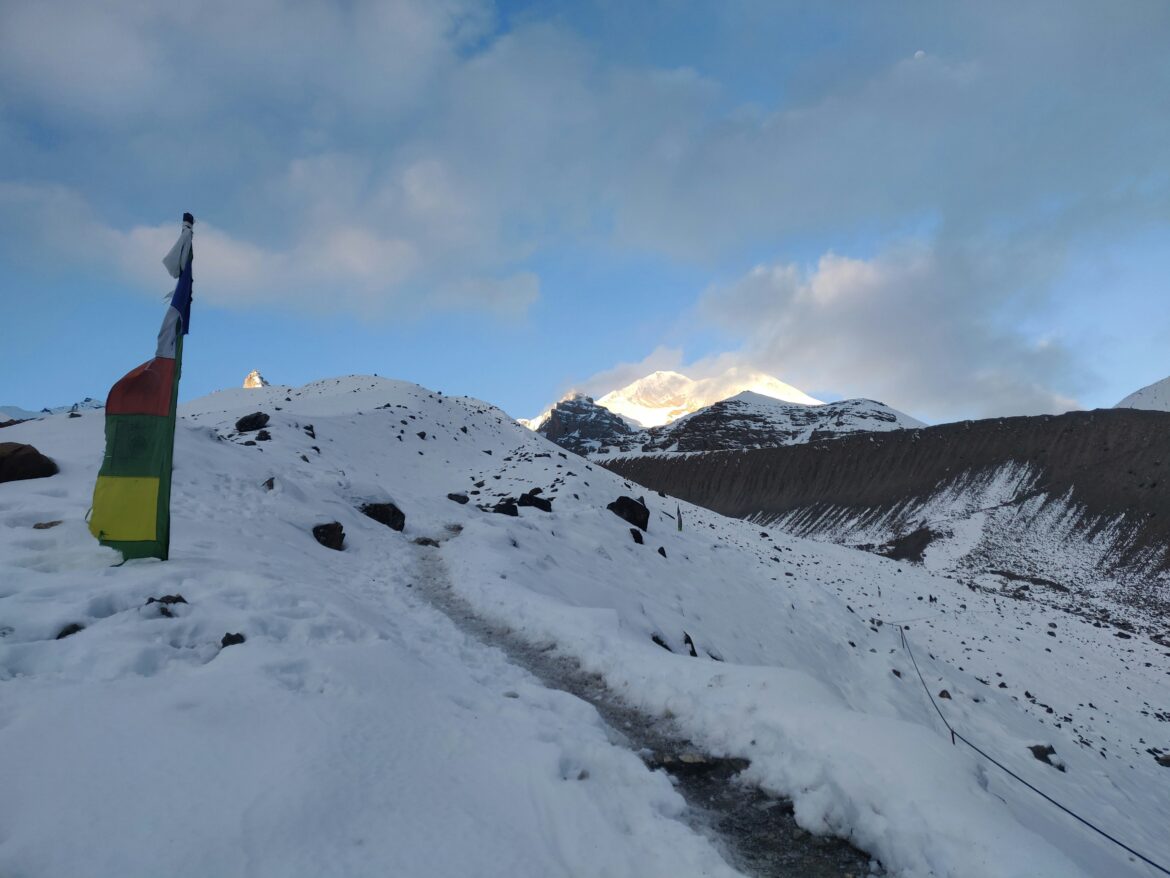
Thanks to newly built roads and reliable transportation, you can now safely condense this classic trek into just 7 to 10 days, covering the most iconic sections and still crossing the legendary Thorong La Pass (5,416m). This shortened version maintains the trek’s core essence, alpine adventure, altitude challenge, and cultural richness, without the need for a long-time commitment.
Who Is the 7–10 Day Annapurna Circuit Trek Best For?
Not every traveler can carve out three weeks for a long-distance Himalayan trek, and that’s okay. The 7–10-day version of the Annapurna Circuit is designed for those who want the essence of the full trek, mountain views, cultural richness, and the thrill of Thorong La Pass, without the time burden.
Time-Constrained Travelers (With 1.5–2 Weeks Total)
If you’re working with limited vacation days, this itinerary is a game-changer. It allows you to complete the trek and still have buffer time for travel logistics, rest days, or city exploration. Many international trekkers fly into Kathmandu, head straight to the trail, and return with a few days to spare for Pokhara’s lakeside charm or a cultural walk through the temples and alleys of Kathmandu Valley.
Fit Trekkers with Prior High-Altitude Experience
This version moves quickly, often reaching elevations above 4,000m within just a few days. That makes it best suited for trekkers who are already familiar with high-altitude environments, understand the signs of AMS (Acute Mountain Sickness), and are capable of adjusting their pace or route if needed. If you’ve trekked to Everest Base Camp, Langtang Trek, or even completed high-altitude hikes elsewhere in the world, you’ll likely find this pace manageable and motivating.
Adventurers Looking to Balance Trekking with Travel
Many travelers to Nepal want to experience the best of both worlds: adventure in the mountains and culture in the cities. This condensed trek leaves room in your itinerary to enjoy post-trek comforts, whether that’s yoga and massage in Pokhara, sunrise over the Himalayas from Sarangkot, or a visit to Bhaktapur’s UNESCO sites before flying home.
Solo Hikers or Small Guided Groups
This shorter version is ideal for independent trekkers or small guided teams who can move quickly and flexibly. Booking a local guide can streamline permits, logistics, and transportation, helping you save precious time. Solo trekkers benefit too, there’s less decision fatigue when you have a defined route and timeline. Plus, the trail is well-marked, with frequent villages for food and shelter.
A Word of Caution: Not for Everyone
If you’re brand new to trekking or haven’t been at altitude before, the classic longer itinerary (14+ days) is a much safer choice. Rushing through altitude zones without proper rest can be dangerous. For those prone to AMS or with underlying health concerns, slow and steady is still the best rule.
If you’re relatively fit, short on time, and craving adventure, this 7–10 day Annapurna Circuit trek is a perfect high-reward experience that fits into a tighter schedule without cutting out the iconic highlights.
How Roads Have Changed the Trek (and How You Can Use Them Wisely)
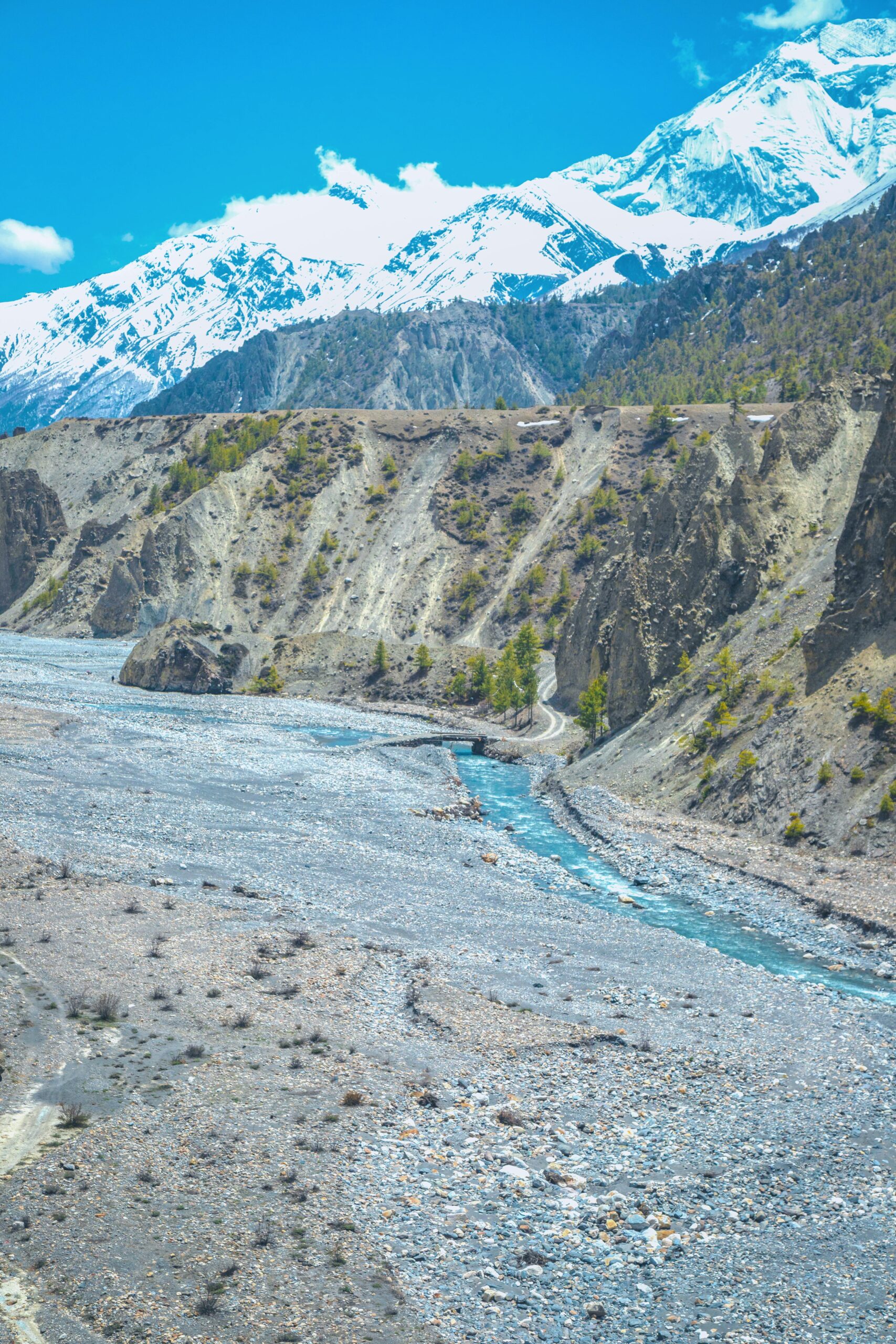
The Annapurna region has changed significantly in the past decade. Jeep-accessible roads now reach deep into the route, as far as Chame on the eastern side and Muktinath or even Jomsom on the western side. While purists may lament the “loss” of a longer trail, these access points open doors for tight-schedule trekkers.
By skipping the lower-altitude foothill sections (e.g., Besisahar to Chame), you save several days without missing key Himalayan highlights. On the exit side, road access from Muktinath or Jomsom to Pokhara via jeep or a short domestic flight lets you avoid long descents and dusty trails.
Planning your entry and exit points around these transport nodes is one of the best ways to save days off your trip.
What to Pack for a Compressed Himalayan Trek
With fewer days on the trail, every ounce counts. Your packing list should focus on high-performance layering, especially for varying spring or autumn temperatures. Moisture-wicking base layers, an insulated jacket, and a waterproof shell are non-negotiables.
If you’re trekking in spring, you’ll likely encounter snow at higher elevations and dusty, warm trails at lower altitudes.
Because you’ll move faster, you’ll also sweat more, so quick-drying gear, lightweight trail shoes or broken-in hiking boots, and blister prevention are essential. For tech and safety, consider bringing a portable power bank, water purification tablets, and a basic first aid kit, especially for minor altitude-related symptoms.
The Importance of Acclimatization on a Tight Schedule
One of the greatest risks of a compressed Annapurna trek is rushing through altitude zones too quickly. As you move from under 3,000m to over 5,000m within days, your body needs time to adapt. That’s why a smartly placed acclimatization day in Manang is vital for most trekkers, even those used to thin air.
If you only have 7- or 8-days total, you must be confident in your altitude readiness. Some trekkers train at elevation prior to their trip, while others build in extra buffer days at Upper Pisang or Manang to help with gradual ascent. Consider consulting a travel doctor about taking acetazolamide (Diamox) if you’re unsure about your reaction to high altitudes.
Ignoring acclimatization risks isn’t worth it, AMS (Acute Mountain Sickness) can derail even the fittest adventurer.
Key Highlights You Can Still Experience in 7–10 Days
One of the best aspects of the Annapurna Circuit is its diversity in scenery and culture, and even in a condensed version, you still get a meaningful dose of both.
- Manang offers monasteries, traditional Tibetan villages, and acclimatization hikes to Ice Lake or Gangapurna Glacier.
- Thorong La Pass remains the high point, both literally and figuratively, of the trek, with epic sunrise crossings and prayer flag-laden ridgelines.
- Muktinath, a sacred pilgrimage town, gives you a beautiful glimpse into local spirituality with its temples and eternal flame.
- Jomsom or Pokhara at the end of the journey provides a comfortable landing pad, complete with warm food, soft beds, and maybe a celebratory drink.
So yes, you may miss some lower-elevation waterfalls or lush rice terraces, but you gain intense, high-elevation immersion in just over a week.
Potential Risks and How to Manage Them
- Altitude sickness: Follow the “climb high, sleep low” rule and never skip acclimatization if you’re feeling off.
- Fatigue: Covering long distances daily can lead to exhaustion. Train beforehand and pace yourself.
- Trail conditions: Spring may bring melting snow and muddy sections—use trekking poles and waterproof boots.
Final Thoughts: Why a Short Trek Is Still Worth It
A 7–10-day Annapurna Circuit Trek is the perfect compromise between time and experience. You’ll cross one of the highest passes in the world, explore remote Himalayan villages, and soak in some of Nepal’s most dramatic scenery, all in under two weeks. It’s proof that an epic doesn’t have to mean endless.
*This article has been contributed to Owl Over The World.
