
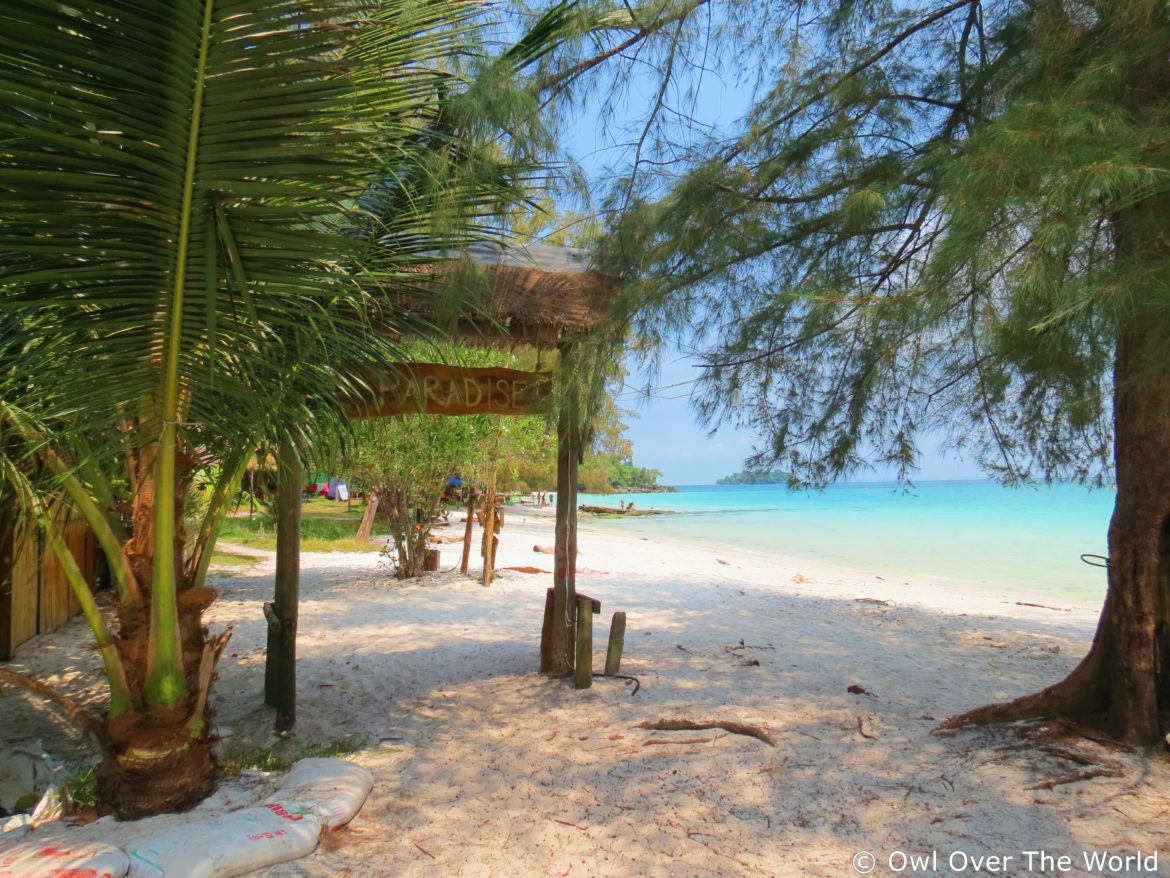
Asia has a little bit of everything. Tokyo’s neon lights. Bangkok’s markets. Cambodia’s ancient temples. It can be exciting to spend a month there.
The secret to success? Preparation. And it’s more than bringing bags. You must map out logistics, technology, and your mindset.
Here’s how to plan for a month in Asia, without losing your mind (or your sense of awe) in the process.
Table of Contents
Select Your Path (and Pace) Carefully
Asia is vast. A month goes faster than you may realize. Focusing on specific places can enable you to maximize your time.
You want to go to Southeast Asia? Thailand, Vietnam, and Cambodia: cheaper, closer, and vibrant. There’s a different flavor to East Asia, with Japan, Korea, and China. Or perhaps you’re the kind who’d rather mix things up a bit.
Just keep in mind that extensive travel days between areas can drain your time and finances. You’ll usually get more out of going in-depth within one region than skimming across ten nations in one trip.
Traveling Smart Begins With the Forecast
There’s much to see when traveling Asia. Yet, the seasonal weather within certain regions might impact your travels. Take the time to learn about the weather to have a good trip.
- Southeast Asia: Best from November to February (dry and cooler).
- East Asia: Spring (March-May) and autumn (September-November) are the most pleasant.
- South Asia: Avoid peak summer if possible; heat and humidity can be extreme.
Planning around climate means fewer rainy days, better photos, and happier travel days.

Borders Are Easier When You’re Prepared
You don’t want to be stranded in an airport with the wrong documentation. Research visa requirements for all the countries on your itinerary before booking flights. Visa-on-arrival or e-visas are available in many Asian nations, though the processing cost and time differ.
- Japan and South Korea usually permit temporary stays without a visa for most nationalities.
- Vietnam, Cambodia, and Laos employ e-visas that require only a few days’ processing.
- China demands advance application for the majority of tourists, although transit visas or short stays are now permitted in some areas.
Bring digital and paper versions of your visa authorizations and onward tickets; some border agents in other countries will ask to see them.
Carry Less, Experience More
A month on the road doesn’t require a pile of baggage. Light packing in Asia equals independence. Bring just the necessities:
- Breathable shorts and tops for those hot, steamy days, and sweaters and pants for chilly evenings or air-conditioned trains.
- Universal power adapter for the different electrical plugs found throughout Asia.
- Light rain jacket or poncho — tropical downpours are unpredictable.
- Travel-size first aid kit with essentials (particularly for stomach problems).
- A refillable water bottle will keep you hydrated while minimizing plastic waste.
Select a backpack or small case that is comfortable to carry on buses, trains, and ferries. Cobblestone streets or the absence of elevators in many destinations make heavy luggage a hassle.
Connection That Travels With You
Having a reliable internet connection can be a make-or-break factor in your travel experience. From reserving rooms to referencing maps or translating menus, staying connected saves time and stress.
The simplest means of staying covered? Use an eSIM! It will keep you conveniently online in several countries. No physical SIM cards, no stops at local shops. You can switch operators and recharge online as you travel from country to country.
For instance, tourists to East Asia can take advantage of regional plans that bundle Japan, China, and South Korea under a single subscription. For the most suitable plans, coverages, and prices, see this detailed guide by Zensim.
Having your data in hand upon arrival means you can order a ride, check directions, or text your host the moment you arrive.
For Many, Balance is an Essential Travel Skill
Visitors going to Asia are often remote workers or digital nomads seeking a short break from their routine. If you will be working during your visit, set a routine prior to your departure.
Most places in Asia have a reputation for high energy. It isn’t hard to get sidetracked by food, markets, and nightlife. These suggestions can keep you on the path while appreciating the destination:
- Set Boundaries: Create a plan for having some hours of work time, but also room to experience the location.
- Find Good Workspaces: Coffee shops, hostels, and coworking spaces in cities such as Chiang Mai, Seoul, and Bali serve digital nomads.
- Plan Rest Days: All this travel can cause exhaustion. Have “slow days” where you remain stationary to rest.
A sustainable rhythm keeps you enjoying your adventure without always feeling hurried and fatigued.
Money Matters on the Road
Asia can be affordable, but only if planned well. Plan realistically for your expenses and ensure that you can easily access your money.
- Use a variety of payment methods — cash is still king in much of the countryside, while large cities use cards and mobile payments.
- Inform your bank of your travel plans to prevent blocked transactions.
- Use travel apps such as Wise or Revolut to get good exchange rates.
- Carry small bills for street food, tuk-tuks, or temple offerings.
Planning ahead avoids embarrassing situations at cash-only establishments or surprise ATM charges.
Respect Local Cultures and Customs
Each Asian nation has its own customs and social norms. A little courtesy goes a long way.
- Dress conservatively when attending temples or religious places.
- Say a few local phrases — greetings or “thank you” are always welcome.
- Take off your shoes when visiting houses or holy places.
- Be careful of local taboos (for example, do not touch a person’s head in Thailand or point feet at people in Japan).
Being sensitive to cultural differences not only avoids misunderstandings but also enhances your travel experience.
Leave Room for the Unexpected
Even the most meticulously planned vacations go awry. Flights are delayed, the weather changes, or you fall in love with a place and decide to extend your stay. Flexibility is your ally.
Leave some days free in your plans and do not pre-book every hotel or ticket. Some of life’s greatest memories are made when things go off-script.
*This article has been contributed to Owl Over The World.
