
Seeing an elephant emerge from the forest, watching orangutans move through the trees or spotting colourful birds in a tropical landscape can be an unforgettable travel experience. Yet some of the most rewarding wildlife adventures offer much more than animal sightings. They also introduce you to local food, traditional crafts, fascinating landscapes and the people whose lives are connected to these environments.
For travellers planning wildlife holidays, combining encounters with remarkable animals and opportunities to discover local culture can make a trip far more rewarding. Sundowner Holidays offers a starting point for exploring wildlife-focused journeys that can be paired with other experiences, from rainforest adventures to discovering local traditions.
Destinations such as Sri Lanka, Borneo and Costa Rica are particularly interesting because wildlife, scenery and cultural experiences can all become part of the same journey. The trick is to choose experiences that complement one another, allowing you to explore beyond the wildlife reserves and appreciate the destination as a whole.
Table of Contents
Discover Sri Lanka through wildlife and local traditions
Sri Lanka is a wonderful example of how wildlife and culture can fit naturally into one holiday. Despite its relatively small size, the island has a remarkable variety of environments, from dry national parks and tropical forests to tea-growing highlands and palm-fringed coastlines.
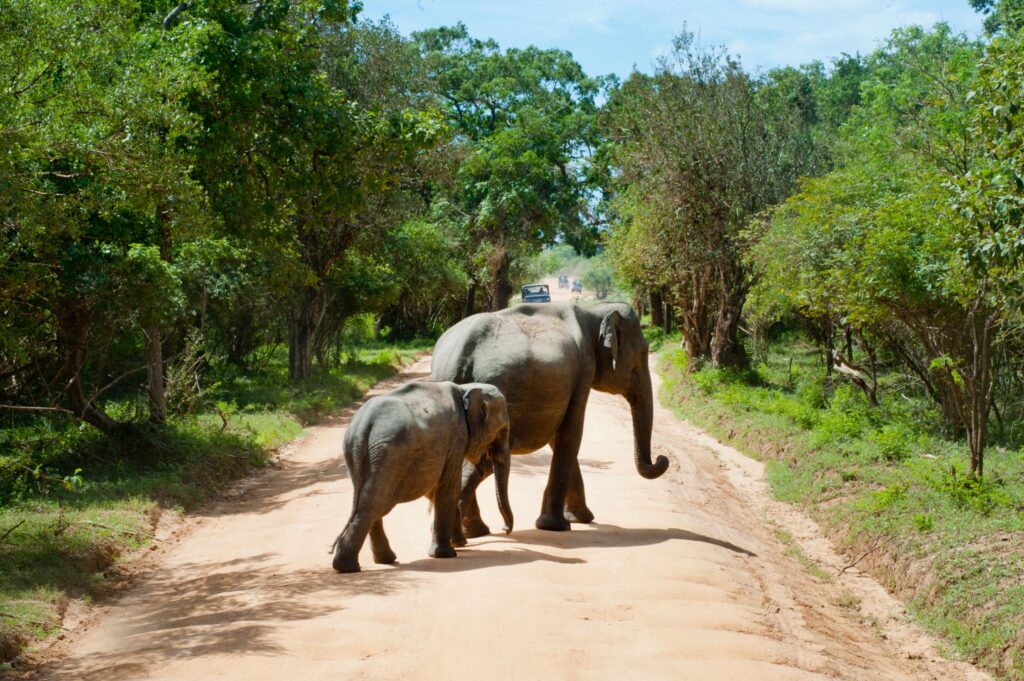
Wildlife enthusiasts can join guided safaris in parks such as Yala and Udawalawe, where elephants are among the major attractions. Depending on the location and conditions, visitors may also encounter deer, crocodiles and a variety of bird species. Yala is particularly well known for leopard sightings, although seeing any wild animal is never guaranteed. Before choosing a safari, it is worth exploring Sri Lanka’s national parks and protected areas to understand the environments available and the arrangements for visiting these important wildlife habitats.
There is plenty to explore beyond the parks. Travellers can visit historic towns, discover ancient architecture, wander through local markets or spend time in the hill country learning about tea production. These experiences help put the island’s landscapes into a broader cultural context.
Food is another rewarding way to explore Sri Lanka. Rice and curry, hoppers, fresh seafood and regional specialities offer a taste of the island’s diverse culinary traditions. A meal at a locally run restaurant can be as memorable as an organised excursion, particularly when there is time to learn about the ingredients and how the dishes are prepared.
Rather than treating a safari as the entire holiday, combine it with a few days exploring the countryside or historic sites. This creates a richer journey without requiring an exhausting schedule.
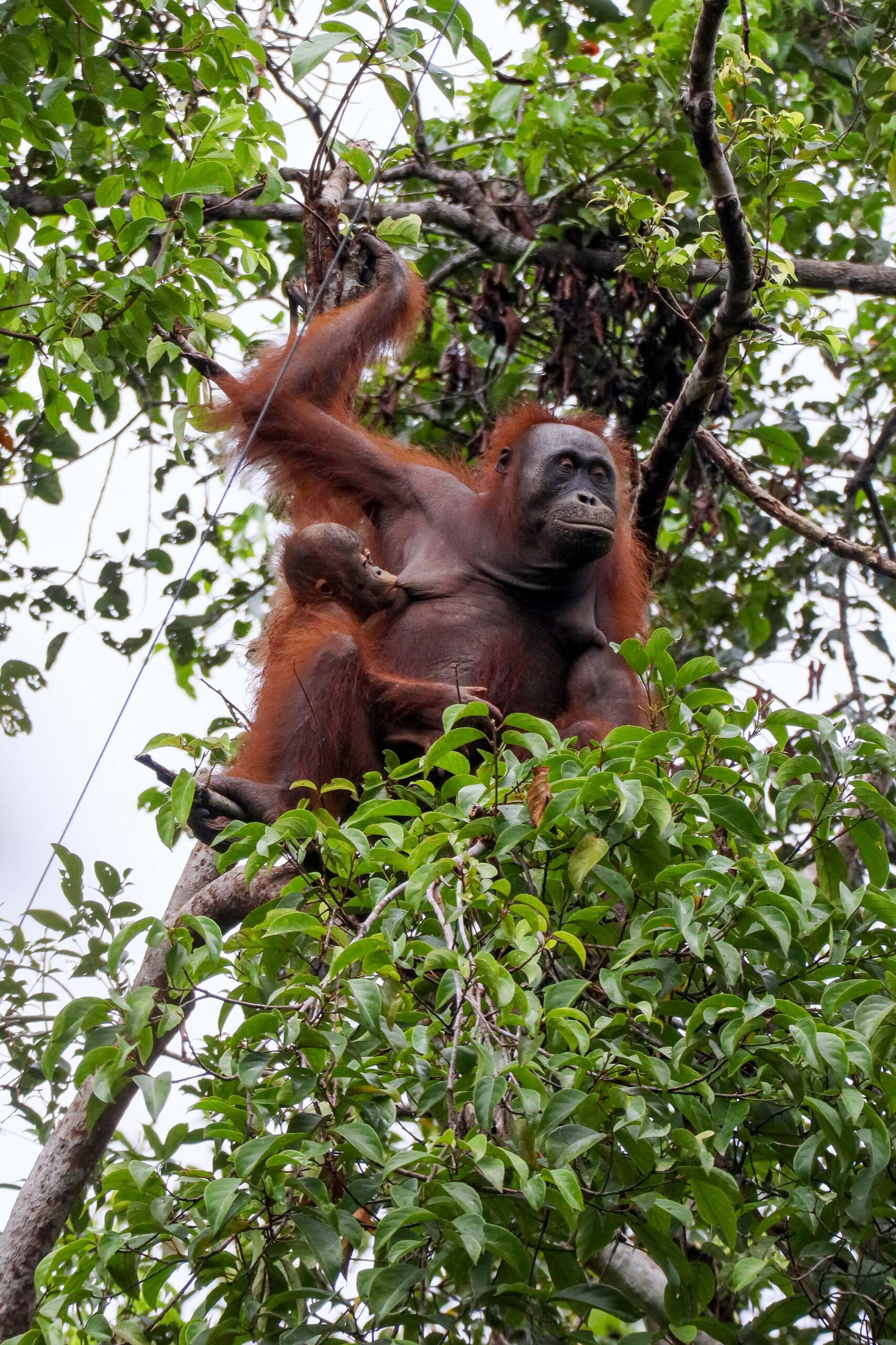

Photo by arwin waworuntu: https://www.pexels.com/photo/orangutan-and-baby-in-borneo-jungle-canopy-33686738/
Explore Borneo’s rainforests and living heritage
Borneo offers a very different wildlife experience. Its tropical rainforests support an extraordinary range of species, including orangutans, proboscis monkeys and many kinds of birds. Rivers, forest trails and protected wildlife areas provide different ways to experience this environment.
In Malaysian Borneo, destinations such as Sabah offer opportunities to explore rainforest landscapes with knowledgeable local guides. River journeys can reveal wildlife along the banks, while guided walks can introduce visitors to the sounds, plants and smaller creatures that are easily overlooked.
Orangutans are a particularly compelling reason to visit, but encounters should always be approached responsibly. Choose reputable wildlife experiences that respect animal welfare, maintain appropriate distances and do not encourage visitors to feed or touch wild animals. Protecting orangutans also means protecting the forests they depend on. Understanding the conservation challenges facing Bornean orangutans helps explain why responsible wildlife encounters and habitat preservation are so important.
The cultural side of Borneo is equally interesting. Local food, traditional crafts and community-led experiences can introduce travellers to the diversity of the island’s communities and their relationships with the surrounding environment.
A guided visit or locally organised activity can also offer a chance to learn about livelihoods, forest conservation and the challenges of protecting wildlife habitats. Choose experiences that are welcomed by the communities involved, and be respectful when taking photographs or asking questions.
The combination of rainforest exploration and cultural discovery makes Borneo a rewarding choice for travellers who want their wildlife adventure to include more than time spent looking for animals.
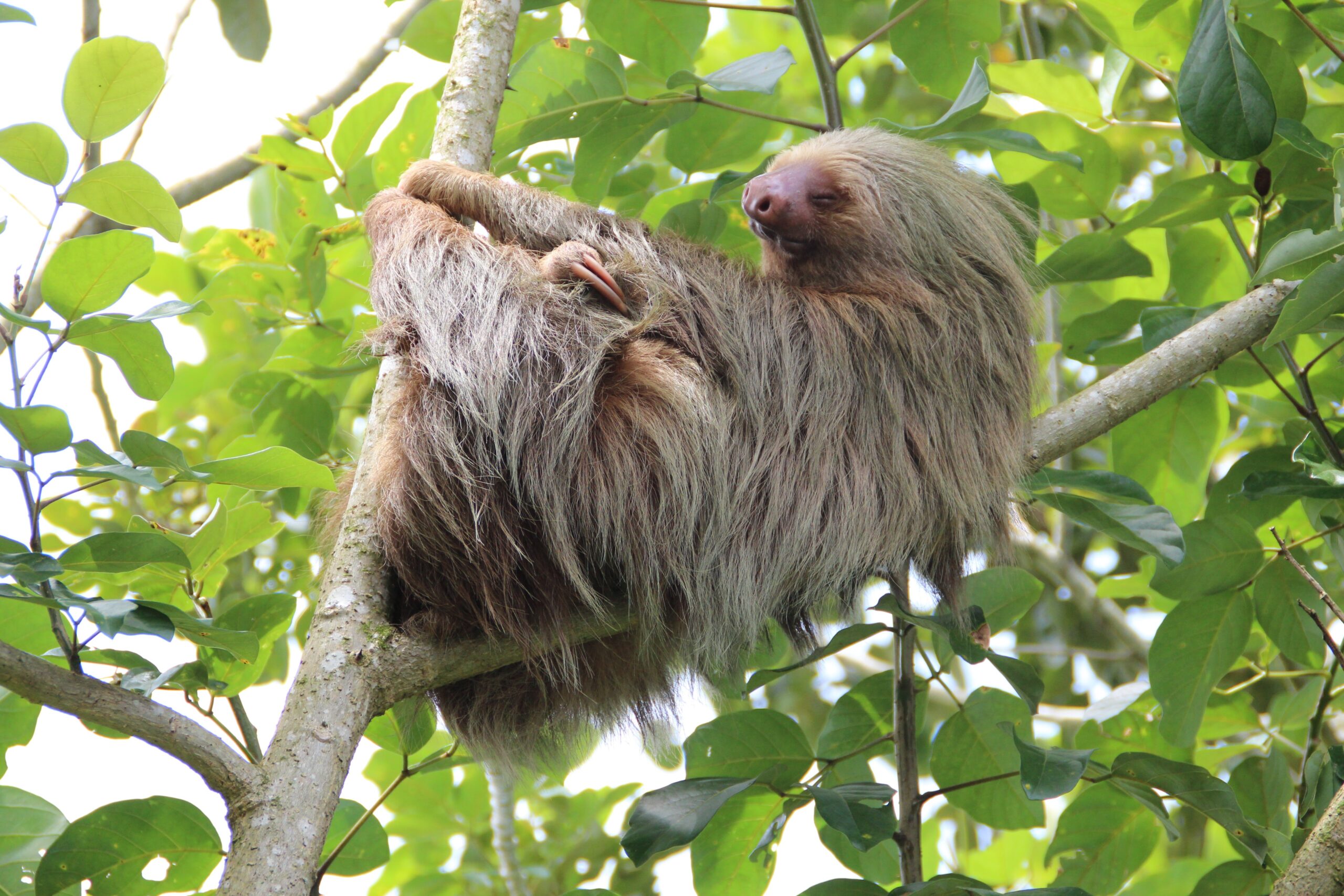

Image by Philip Spanhove from Pixabay
Combine Costa Rica’s wildlife with outdoor adventure
Costa Rica is well suited to travellers who enjoy being outdoors. Its landscapes range from tropical rainforests and cloud forests to volcanic regions, wetlands and Pacific and Caribbean coastlines. Each environment offers different opportunities for wildlife watching and adventure.
In places such as Monteverde, guided walks through the cloud forest can introduce visitors to colourful birds, frogs, insects and other wildlife. Elsewhere, river excursions and visits to protected areas provide different perspectives on the country’s natural environment.
Adventure activities can add another dimension to the journey. Depending on the destination, travellers might try kayaking, zip-lining, hiking or exploring waterfalls. These experiences provide variety, particularly when combined with quieter afternoons and time to enjoy the surrounding scenery.
Costa Rica also has a strong food culture worth discovering. Traditional dishes such as gallo pinto, made with rice and beans, and casado, typically served with rice, beans, salad and other accompaniments, offer a taste of everyday local cooking. Small restaurants, markets and locally owned cafés can provide opportunities to explore regional flavours.
Consider including a community-led activity or visiting a local producer alongside wildlife excursions. This helps connect the natural attractions with the people and businesses that form part of the destination.
The key is to avoid filling every day with demanding activities. A morning exploring the forest can be followed by a relaxed meal or an afternoon enjoying the landscape, creating a holiday that feels adventurous without becoming tiring.
Choose experiences that connect you with a destination
Wildlife watching is often most rewarding when you understand something about the environment around you. A knowledgeable local guide can explain animal behaviour, identify tracks and calls, and share insights into the relationships between species and their habitats.
Look for guides who encourage questions and take time to explain what you are seeing. Their knowledge can turn a walk through a forest or a journey along a river into an opportunity to learn about the wider ecosystem.
Cultural activities can add a different perspective. A cooking class, craft workshop or visit to a local market provides an introduction to traditions that may otherwise remain outside the itinerary.
You do not need to book formal activities every day. Sometimes a conversation with a guide, a meal at a neighbourhood restaurant or a stop at a small local shop is enough to reveal something new.
The aim is to make space for experiences that interest you, rather than treating cultural encounters as another checklist of attractions.
Plan a varied wildlife adventure
A little preparation can help you combine wildlife and cultural experiences without making the itinerary complicated.
Start by identifying the animals or environments that interest you most. If elephants and leopards are high on your list, research the destinations and seasons that offer appropriate opportunities. If you prefer rainforest birds, primates or marine wildlife, your route might look very different.
Next, consider how much time you have. Choose a few destinations that work well together instead of trying to cover too much ground. Travel between regions can take longer than expected, and a packed itinerary can leave little time to appreciate individual places.
Research seasonal conditions before booking. Rainfall, animal movements and breeding cycles can influence wildlife activity, while weather may affect boat trips and outdoor excursions. No destination can guarantee particular sightings, so allow time for unexpected discoveries.
It is also worth checking what each activity involves. Look at transport arrangements, walking distances, fitness requirements and any additional costs. If you are visiting a protected area, use reputable operators and follow the instructions of local guides.
A flexible itinerary makes it easier to combine wildlife watching with meals, cultural visits and time to relax.
Make responsible choices along the way
Responsible travel matters particularly when a holiday involves wild animals and sensitive natural environments.
Choose operators that follow appropriate wildlife-viewing practices. Avoid activities that involve handling wild animals, feeding them for photographs or encouraging unnatural interactions. Keep a respectful distance, remain quiet when appropriate and follow guidance from your guide. For more practical advice, these guidelines for responsible wildlife encounters explain how to assess animal attractions, recognise warning signs and choose experiences that allow animals to behave naturally.
The same consideration applies to local communities. Ask permission before photographing people, respect customs and dress expectations, and choose cultural activities that are genuinely welcomed by the people involved.
Supporting locally owned restaurants, guides, accommodation providers and craft businesses can also help keep tourism spending within the destination. Where possible, look for experiences that explain how their activities support local livelihoods or conservation efforts.
These choices do not need to complicate your holiday. They simply help ensure that the places you visit are treated with care and that your experiences are respectful of both wildlife and people.
Create a trip that reflects your interests
There is no single way to combine wildlife and culture. A food lover might enjoy pairing a safari in Sri Lanka with regional cooking experiences, while someone fascinated by primates may prefer a rainforest journey in Borneo. Travellers heading to Costa Rica might combine birdwatching and nature walks with outdoor adventures and local dining.
Think about what makes travel enjoyable for you. You might prefer active days spent hiking and exploring, or you may be more interested in photography, guided nature walks and relaxed evenings.
If you are travelling with family or friends, consider their interests as well. A mixture of activities can give everyone something to look forward to without requiring the group to follow a demanding schedule.
The best itineraries often leave a little space for spontaneity. An unexpected wildlife sighting, a recommendation from a local guide or a memorable meal can become the highlight of the trip.
Take home more than wildlife photographs
A wildlife adventure can introduce you to remarkable animals, but it can also change how you understand the places where they live. From Sri Lanka’s varied landscapes to Borneo’s rainforests and Costa Rica’s rich natural environments, there are opportunities to combine outdoor exploration with food, traditions and local knowledge.
Choose experiences that interest you, travel with people who know the destination and leave time to appreciate what happens beyond the main attractions. Wildlife sightings may be the reason you set off, but the landscapes, people and cultural discoveries can make the journey even more memorable.
Ultimately, the most rewarding wildlife holidays are not simply about how many species you see. They are about experiencing a destination more fully, discovering connections between nature and local life, and returning home with a deeper appreciation of the world you have explored.
*Featured photo is by Atlantic Ambience: https://www.pexels.com/photo/elephant-walking-321526/
**This article has been contributed to Owl Over The World.