
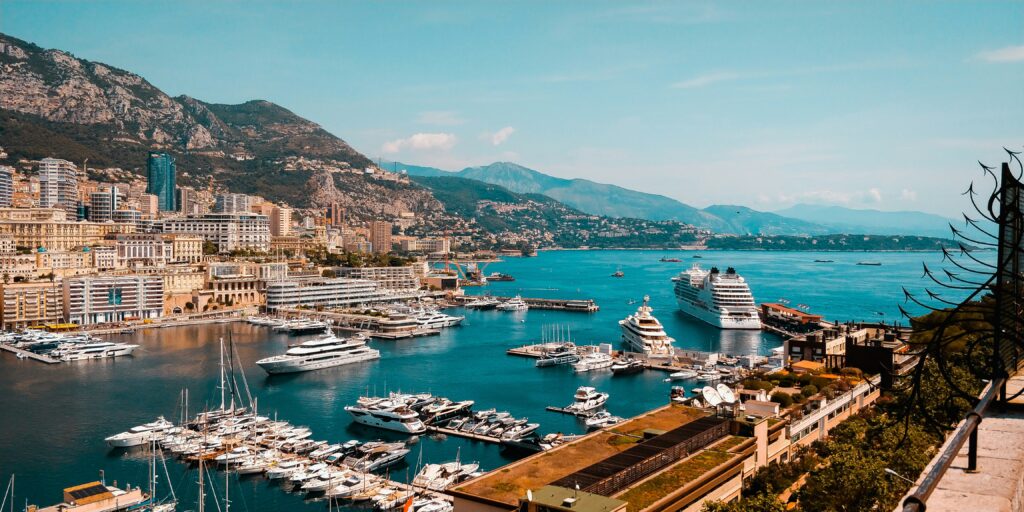
Picking up a Bentley from a luxury car rental Monaco is exhilarating. If you follow the crowd, you can spend a weekend queuing for valet parking. When I first arrived, I wanted to enjoy the car and discover what locals guard for themselves.
This itinerary focuses on little‑known gardens, neighbourhood markets, and hilltop villages, with practical driving tips to make sure your Bentley never attracts the wrong kind of attention.
Table of Contents
Know the rules before you roll
A stress‑free weekend starts with understanding how Monaco’s traffic laws differ from those just over the French border. The principality drives on the right‑hand side. Speed is controlled and camera-enforced.
Within Monaco, the limit is 50 km/h and drops to 30 km/h in residential streets. Outside the centre, it rises to 90 km/h. Seatbelts are mandatory for everyone. Children under ten cannot sit in the front.
You must carry a warning triangle, reflective jacket, and headlamp converters in the trunk. The legal blood‑alcohol limit is 0.05%. For an at‑a‑glance reminder, I keep these details in the glovebox:
| Rule | Key details |
| Speed limits | 50 km/h in town, 30 km/h in residential areas, 90 km/h on non‑urban roads. |
| Safety equipment | Warning triangle, reflective jacket, and headlamp converters required. |
| Seat belts | Required for all passengers; children under 10 must ride in the back. |
| Alcohol limit | 0.05% BAC; avoid drinking if you plan to drive. |
| Driving side | Right‑hand side. |
Planning around these rules ensures the only attention your Bentley gets is admiring glances.
Day 1: A local’s Monaco – markets, gardens and cliff‑top theatre
Early breakfast at La Condamine Market
Monaco’s best coffee is at La Condamine Market. This covered hall has been the heart of the neighbourhood for more than a century and feels like a village within the city. The market is open every day and has both indoor and outdoor stalls.
Inside, you’ll find traders selling fresh fruit, flowers, and artisanal products. There’s also a food hall serving everything from socca (a chickpea pancake) to sushi.
From here, stroll a few steps to:
- Port Hercules, Monaco’s deep‑water harbour. It’s famous for its display of superyachts and can accommodate vessels up to 135 meters.
- The Top Car Collection Museum near the port houses more than 100 vintage and classic cars, assembled by Prince Rainier III.
St‑Martin Gardens: art and panoramas
By late morning, drive up to Monaco‑Ville, the old town known as Le Rocher. Parking is tight, so I use the underground garage near the Oceanographic Museum and walk to the Saint‑Martin Gardens.
Created in 1816, these are Monaco’s oldest public green spaces. The gardens wind along the cliff between the Cathedral and the museum and are filled with Mediterranean and exotic plants. Sculptures by Giorgio de Chirico and Kees Verkade are nestled among the flowers.
Further along is an avenue planted with cacti and several lookouts with sweeping views over Port Fontvieille. For a bit of adventure, follow the paths down the cliffs to explore small caves inhabited by bats.
Oceanographic Museum and Fort Antoine
Next door is Monaco’s Oceanographic Museum, founded by Prince Albert I in 1910. The museum houses exhibits on marine science and an aquarium with more than 4,000 species of fish and over 200 families of invertebrates.
It also displays model ships, sea animal skeletons, and artefacts from early expeditions. The building itself rises 85 metres (279 ft) above the sea, built with 100,000 tons of stone from La Turbie.
A short walk along Avenue de la Quarantaine leads to Fort Antoine Theatre. This small amphitheatre occupies a point on the Rock and began life as a fortress built during the War of the Spanish Succession. Destroyed in World War II, it was rebuilt in 1953 and now hosts open‑air plays and concerts.
Day 2: Road trip beyond Monaco – hilltop villages and perfumers
Morning climb to La Turbie and Tête de Chien
Set off after breakfast, leaving Monaco before the Sunday cyclists take over the Corniche. Follow the signs for La Turbie, a village above the principality. Beyond the village is Tête de Chien, a 550‑metre‑high limestone promontory.
You can drive almost to the top. There’s a small free car park at the start of the trail. From there, it’s an easy 15‑minute walk through a rock tunnel to the viewpoint. On a clear day, you can see from Italy to Cannes.
On your way back down, stop in La Turbie for coffee and to admire the Trophée d’Auguste, a Roman monument (it’s impossible to miss its massive stone blocks towering over the village).
Medieval village of Èze and perfumery tour
From La Turbie, drive along the Moyenne Corniche towards Èze‑Village. This hilltop medieval village sits 429 metres above the Mediterranean and is famous for its narrow streets and views. Park at the base and climb to the exotic garden at the top.
Highlights of Èze:
- Exotic Garden of Èze: Built on a medieval fortress site.
- Panoramic views of the French Riviera, the Esterel Mountains, and the Gulf of Saint-Tropez.
- South slope: succulents & xerophytes from all continents.
- North slope: Mediterranean plants, caves, cascades.
- Awarded “Jardin Remarquable” label.
Fragonard Perfumery:
- At the village foot, opened in 1968, is a prime Riviera road location.
- Tours include lab, distillation stills, and perfumer’s organ.
- Learn the ancient enfleurage technique.
- Soap workshop (rose & duck-shaped soaps).
- Ends in the shop with samples & gifts.
- Free admission & tours, open daily 9:00–18:30.
Personal tip: pick up a pocket-sized eau de toilette, enjoy the orange blossom scent
Lunch with a view and winding back via the Corniche
Take a break in Èze with a terrace lunch before continuing your journey along the Moyenne Corniche.
- Book a terrace restaurant in Èze with sweeping coastal views.
- Skip the crowds at Château de la Chèvre d’Or; smaller terraces offer charm and simplicity.
- Order a salade Niçoise with local rosé and watch paragliders overhead.
- Drive the Moyenne Corniche towards Cap d’Ail, passing coves and cliffside mansions.
- Stop at Mala Beach for a dip or a drink if time allows.
- Follow the Corniche back to Monaco, enjoying the Bentley’s smooth power.
Keep to the speed limits. Radar cameras are common, and fines are steep.
Optional extras for a longer stay
If you have an extra day or prefer more gardens, consider these stops:
- Exotic Garden of Monaco: Perched on a cliffside, this botanical garden opened in 1933 and displays over 1,000 species of succulent plants. It also houses the Museum of Prehistoric Anthropology.
- Top Car Collection Museum: Opposite Port Hercules, Prince Rainier’s collection includes more than 100 vehicles from early 20th‑century models to modern supercars.
- Fort Antoine Theatre: In summer, book tickets for an evening play. The open‑air amphitheatre was rebuilt in 1953 after being destroyed in World War II. Its architecture includes a bartizan and cannonballs at the centre.
*Featured photo by Rishi Jhajharia on Unsplash
*This article has been contributed to Owl Over the World.