
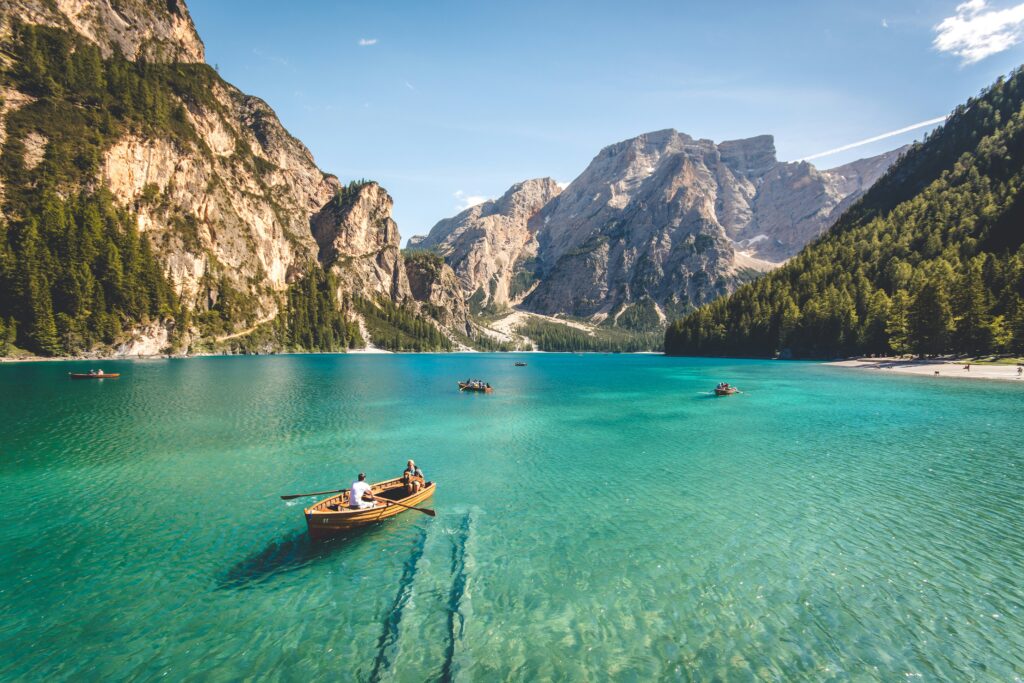
In a world focused on speed and instant gratification, slow travel offers a refreshing alternative. It allows travelers to connect deeply with the places they visit, appreciate cultures authentically, and rediscover the joy of unhurried exploration.
Travel today often feels like a checklist of attractions, where people rush from one landmark to another in an effort to see as much as possible in a limited time. While this fast-paced approach satisfies the desire to see it all, it can leave little room for genuine experiences. Slow travel challenges this mindset by focusing on quality over quantity and encouraging travelers to immerse themselves fully in each destination.
At its core, slow travel is about mindfulness and connection. It promotes staying longer in fewer places, using local transportation, eating regional food, and engaging with the community. For many travelers, slow moments between destinations, such as relaxing in a café, enjoying a local festival, or even playing blackjack online free while waiting for a train, become part of the experience itself. This balance between exploration and relaxation allows travelers to enjoy every part of their journey without pressure or rush.
Table of Contents
Immersing Yourself in Local Culture
One of the greatest joys of slow travel is the opportunity to build real connections with local communities. When you spend more time in a place, you begin to see beyond the tourist façade and experience everyday life. This might mean chatting with a café owner in a small village, joining a local cooking class, or attending a neighborhood festival. These interactions offer a glimpse into the culture that guidebooks can never capture.
Staying in locally owned accommodations rather than large international chains adds to this experience. Guesthouses, homestays, or small eco-lodges often provide insights into local customs and traditions. Travelers who embrace slow travel often find themselves welcomed into conversations, meals, and friendships that enrich their journey far beyond the physical destination.
Slow travel also encourages learning. Taking the time to understand a few words of the local language, exploring regional history, or observing cultural etiquette deepens respect and appreciation. These small acts of curiosity and effort open doors to experiences that casual visitors rarely encounter.
Traveling Sustainably and Responsibly
Slow travel naturally aligns with sustainability. By spending more time in one place and reducing the frequency of long-distance flights, travelers minimize their carbon footprint. Choosing trains, buses, or cycling over short domestic flights helps the environment and provides scenic routes that become part of the adventure.
Local economies also benefit from this mindful approach. Slow travelers are more likely to spend money with local businesses, artisans, and food producers rather than large corporations. This direct economic support helps preserve local culture and sustains small communities that might otherwise be overlooked by mass tourism.
Traveling slowly also helps visitors understand the impact of their presence. When travelers see how waste or over-tourism affects a destination, they often become more thoughtful about their choices. Slow travel fosters awareness and a sense of responsibility, ensuring that tourism remains a positive force.
Finding Balance Between Rest and Adventure
Slow travel is not only about immersion but also about balance. It allows travelers to blend moments of relaxation with exploration, ensuring that travel remains enjoyable rather than exhausting. This might mean spending a quiet morning reading in a local park, enjoying regional food, or taking time to unwind before exploring another destination.
By finding this balance, travelers create more meaningful memories. The experience becomes less about how many places were visited and more about how deeply each moment was lived.
Embracing Spontaneity in Your Journey
One of the overlooked joys of slow travel is the freedom it provides to embrace spontaneity. When you are not bound by tight schedules or rigid itineraries, you can follow your instincts and let curiosity guide your next steps. Perhaps you stumble upon a small local market, join an impromptu village celebration, or discover a hiking path that leads to a breathtaking view. These unplanned moments often become the most cherished memories of any trip.
Spontaneity also allows for a deeper emotional connection to a place. Rather than viewing travel as a series of planned events, slow travelers experience destinations as living, evolving environments. Every day becomes an opportunity for discovery, and every encounter can reveal something new about local life, culture, or even yourself.
By traveling without rushing, you leave room for surprise and wonder. This openness to the unexpected transforms travel from mere sightseeing into a journey of personal growth and connection.
Rediscovering the Joy of the Journey
Fast travel often focuses on the destination, but slow travel reminds us that the journey itself holds immense value. Taking a long train ride through the countryside or spending a day walking through quiet streets allows travelers to observe life unfolding naturally around them. These moments of stillness often become the most memorable parts of the trip.
Without the pressure to rush, slow travelers can follow spontaneous opportunities. A detour to a small village, a leisurely afternoon at a local market, or an unplanned hike to a scenic viewpoint can turn into unforgettable experiences. This flexibility adds depth and creativity to travel, making it less about schedules and more about discovery.
By embracing slow travel, you give yourself permission to be fully present. You begin to notice details, such as the aroma of fresh bread from a corner bakery, the rhythm of local music, and the laughter of children playing in a square. These experiences linger long after the journey ends, leaving a sense of connection and gratitude that fast travel rarely provides.
*Photo by Pietro De Grandi on Unsplash
*This article has been contributed to Owl Over The World.