
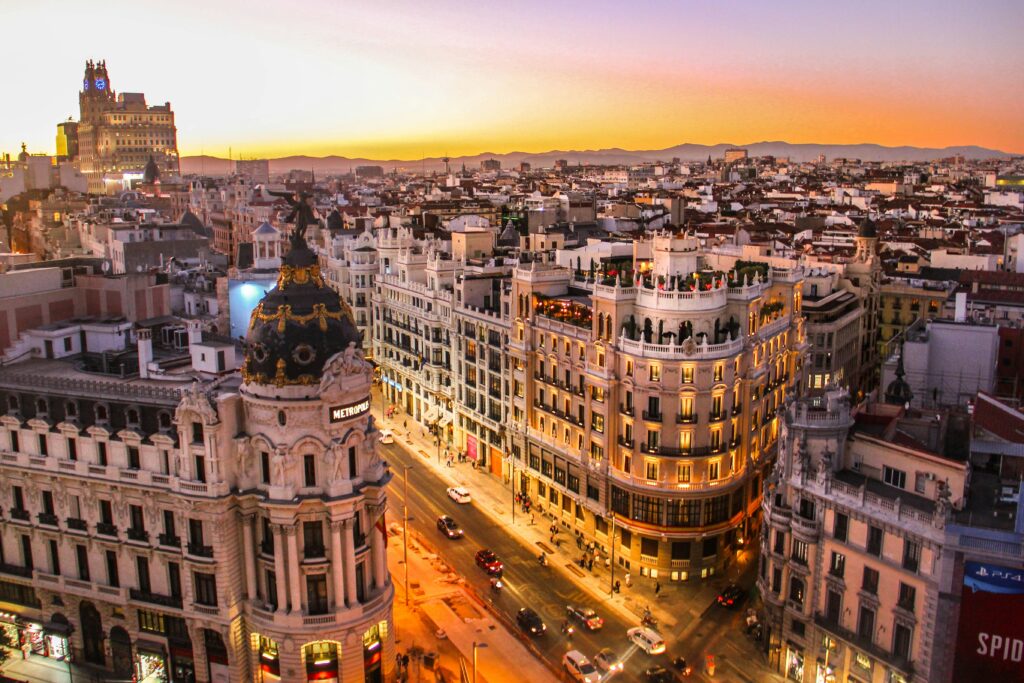
Stepping out of Atocha station into Madrid’s late-afternoon sun can feel overwhelming. The city operates on a high-octane rhythm — buzzing scooters, packed outdoor terraces, and conversations bouncing off old stone walls long past midnight. When I first visited Madrid on my own, I wondered if this relentless energy meant I’d feel lost in the crowd.
Instead, I found one of the most welcoming, walkable, and vibrant capitals in Europe. Madrid is a dream destination for solo female travelers, but navigating its late-night social scenes, crowded metro lines, and maze-like barrios requires a solid strategy to keep your trip safe, low-stress, and unforgettable.
Table of Contents
Quick Takeaways for Solo Women in Madrid
- The Overall Vibe: Exceptionally safe for solo women, heavily focused on outdoor late-night dining, highly walkable, and rich in social culture.
- Top Neighborhoods to Base Yourself: Malasaña (trendy and indie), Chueca (vibrant, inclusive, and extremely safe), and Barrio de las Letras (picturesque, central, and quieter at night).
- Main Safety Watch-out: Keep your guard up in crowded hubs like Puerta del Sol, on the Metro, and throughout the Sunday El Rastro flea market.
- Best First-Day Hack: Take a free local walking tour right after arriving to get safe bearings on the city layout and meet immediate travel buddies.
Is Madrid Safe for Solo Female Travelers?
Yes, Madrid is fundamentally safe for solo female travelers. Violent crime rates are extremely low compared to major cities in North and South America, and women regularly walk home alone through well-lit city center streets past 1:00 AM. Spain consistently ranks among the top countries worldwide for women’s safety.
However, petty crime is an everyday reality that catches unprepared backpackers off guard. Pickpockets in Madrid are highly skilled professionals operating in groups, relying on distraction rather than confrontation. You won’t need to fear for your personal safety, but you must stay vigilant about your belongings.
5 Essential Safety Rules for Madrid
- Switch to a Front-Facing Cross-Body Bag: Never carry a backpack with valuables on your back in the city center. Use a bag with secure zippers that rest flat against your hip or chest, and keep a hand on it when walking through packed plazas like Puerta del Sol or navigating crowded trains.
- Never Leave Bags Unattended at Outdoor Terraces: When sitting down for tapas or coffee, do not loop your purse strap over the back of your chair or leave your phone resting on the table edge. Thieves use distraction tactics — like laying a petition or map over your phone — to swipe it clean. Keep your bag on your lap or loop the strap around your leg.
- Avoid Unlit Side Streets Near Gran Vía Late at Night: While major avenues like Gran Vía remain busy until 3:00 AM, the narrow, poorly lit side streets branching off Gran Vía (especially those leading toward Chueca or quiet pockets of Central Madrid) can feel deserted or uneasy late at night. Stick to main, well-lit thoroughfares when returning to your accommodation after dark.
- Be Intentional on the Metro After Midnight: Madrid’s Metro system is exceptionally clean, well-lit, and efficient, running until 1:30 AM daily. If you’re riding late at night, choose carriages with other passengers rather than isolated cars, and stand near the doors or conductor cabins if you ever feel uncomfortable.
- Secure Your Belongings at El Rastro: The famous Sunday market in La Latina is a must-visit, but its shoulder-to-shoulder crowds make it ground zero for pickpockets. Keep cash in an internal zipped pocket, leave your main passport in your hostel locker, and wear your daypack backward on your chest while browsing stalls.
Where to Stay: Best Neighborhoods for Solo Women
Madrid is a city of distinct neighborhoods (barrios), each carrying its own unique mood and rhythm. Choosing the right base makes all the difference for your comfort and safety.
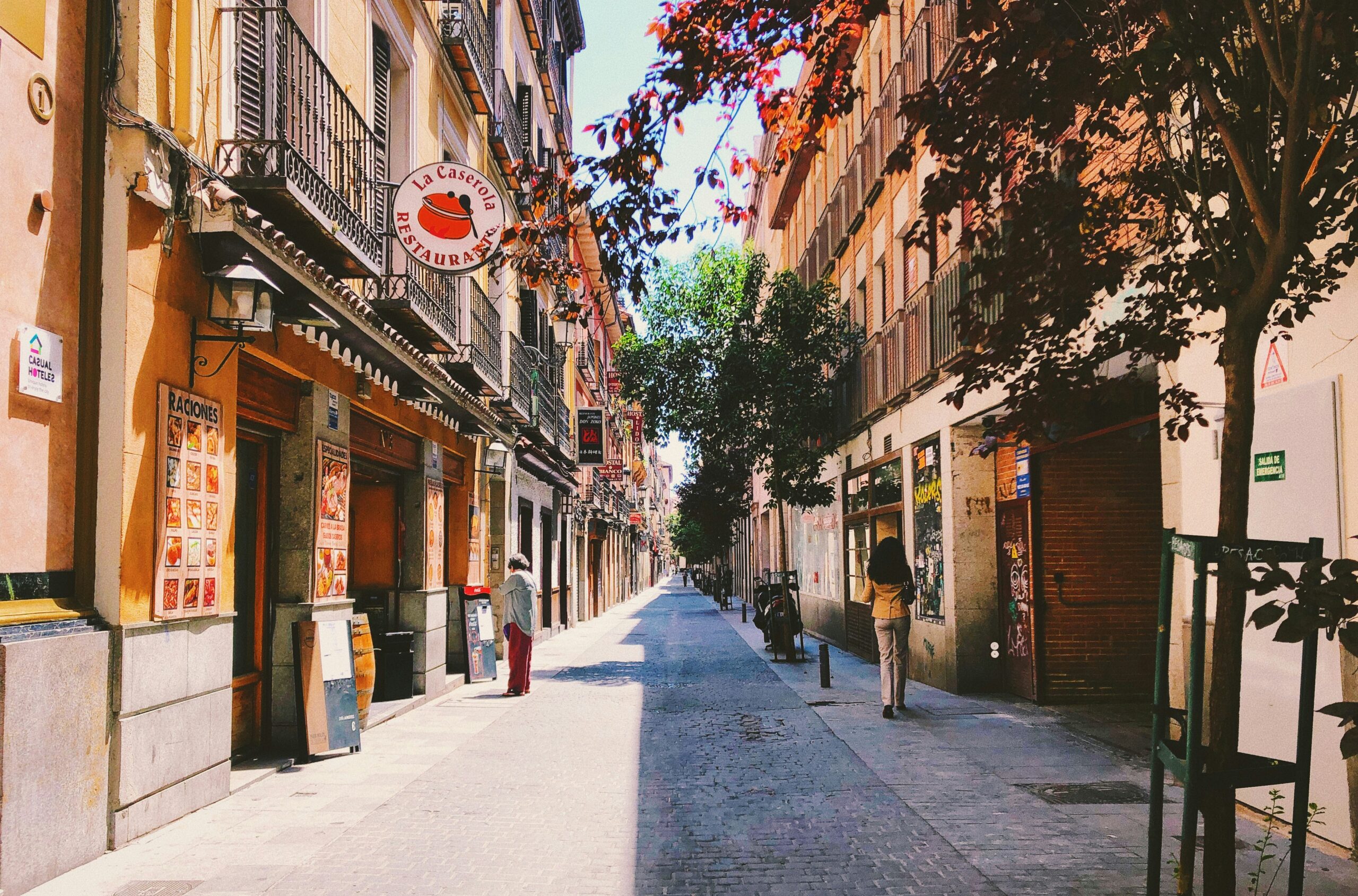

Photo by Alex Vasey on Unsplash
Malasaña
This is the epicenter of Madrid’s alternative, bohemian spirit. Packed with vintage thrift shops, third-wave coffee houses, and cozy plazas, Malasaña is ideal for solo travelers who like to explore on foot. Its streets are lively at all hours, meaning you’ll never feel isolated walking back to your stay alone in the evening.
Barrio de las Letras
Formerly home to literary giants like Cervantes, this historic quarter features cobblestone streets marked with gold poetry quotes. It sits within walking distance of the Prado Museum and Retiro Park, making it picturesque, safe, and slightly calmer at night than neighboring nightlife districts.
Chueca
Located right next to Malasaña, Chueca is Madrid’s vibrant LGBTQ+ district. It is widely considered one of the safest, most open-minded, and welcoming neighborhoods in the entire city. The nightlife here is energetic, the plaza terraces are constantly filled with friendly locals, and solo female travelers will feel completely at home.
Neighborhood Pro-Tip: Avoid booking your accommodation directly on Gran Vía or immediately surrounding Puerta del Sol. While central, these areas stay extremely noisy until dawn, attract high concentrations of street hawkers, and lack authentic neighborhood charm.
How to Meet People and Make Friends in Madrid
Madrid’s social culture is exterior-facing — life happens out on the streets, in plazas, and around noisy zinc bar counters. While this atmosphere is infectious, breaking into local groups or making friends as a solo traveler can feel daunting without an entry point.
Start with a Local Walking Tour
One of my non-negotiable rules for solo travel is joining a group walking tour on my very first morning. It’s the safest way to get the lay of the land, and you can easily find budget-friendly, local-led city walks on FREETOUR.com to instantly connect with other backpackers and get authentic neighborhood recommendations.
Taking a guided walk early in your trip removes the friction of navigating unfamiliar streets alone. You get immediate answers to your safety questions, learn which side streets to avoid, and often end up grabbing lunch or a vermouth with fellow travelers you met during the tour.
Language Exchanges (Intercambios)
Madrid hosts dozens of informal intercambios — social gatherings held at local bars where travelers and locals mix to practice English and Spanish over drinks. Events hosted at spots like Beer Station or Café Madrid welcome solo newcomers with open arms. They offer a structured, safe setting to chat with locals without the awkwardness of approaching strangers cold.
Social Hostels and Group Tapas Crawls
Even if you prefer booking a private room for better sleep, consider staying at a boutique social hostel (such as The Hat Madrid or Sungate One). These properties organize nightly group activities — like sunset walks to the Temple of Debod, or group dinner runs — making it effortless to build an instant travel squad.
Eating Solo in Madrid (Without Feeling Awkward)
Dining alone is often the most intimidating part of solo travel, especially in Spain where meals are inherently communal, leisurely social affairs. Luckily, Madrid’s culinary culture offers an easy workaround.
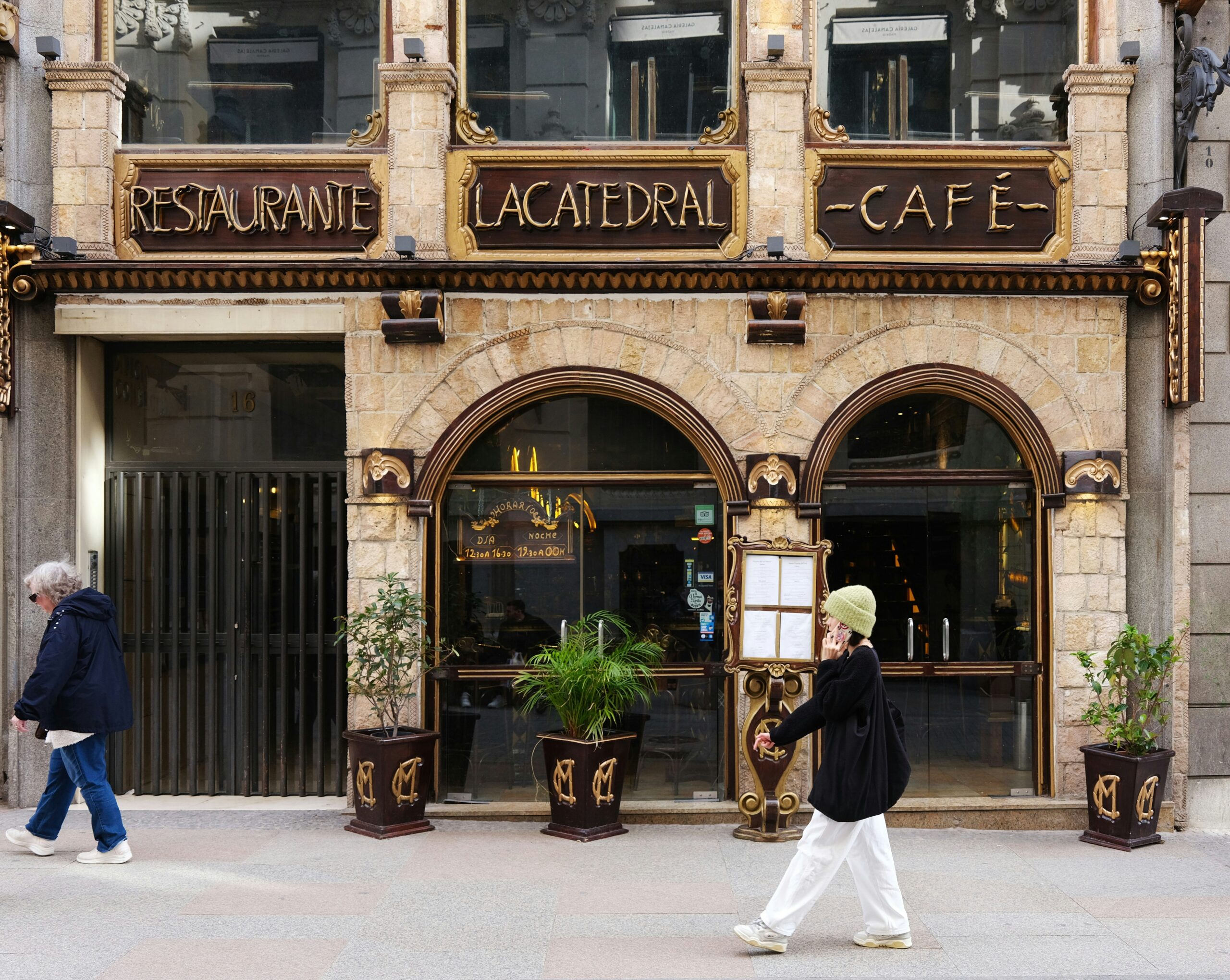

Photo by Dmitrii E. on Unsplash
Master the Art of Eating at the Bar (La Barra)
Instead of asking for a table for one — which can sometimes result in slow service or feeling exposed in a dining room — head straight inside to the bar (la barra). Sitting at the bar is standard culture in Madrid for solo diners, workers having a quick lunch, and locals grabbing a quick bite.
Ordering tapas or a draft beer (caña) at the bar lets you watch the bartenders work, soak in the ambiance, and easily chat with staff or other patrons at the bar.
Top Low-Pressure Dining Spots for Solo Travelers
- Mercado de San Fernando (Lavapiés): Unlike the tourist-heavy Mercado de San Miguel, this neighborhood market offers an authentic, low-key vibe where you can grab craft beer, empanadas, or cheeses and sit at communal tables.
- Mercado de San Ildefonso (Malasaña): A street-food style market with multiple food stalls, indoor terrace seating, and a casual atmosphere perfect for dining solo with a book or journal.
- Pez Tortilla (Malasaña): Famous for serving some of the best gooey tortilla de patatas (Spanish omelet) and craft beers in town. The bar setup makes ordering a slice solo feel completely natural.
Frequently Asked Questions
Is it safe to walk at night in Madrid alone?
Yes, walking alone at night in central Madrid is generally very safe due to high foot traffic and well-lit main streets. Stick to vibrant thoroughfares, avoid quiet alleyways off Gran Vía after midnight, and keep your phone secured in your bag rather than in your hand.
How do solo travelers meet locals in Madrid?
Solo travelers meet locals easily by attending language exchanges (intercambios) in neighborhood pubs, joining group tapas tours, sitting at communal food market tables, or taking local-led walking tours that highlight neighborhood spots favored by residents rather than purely tourist hubs.
Do I need to speak Spanish to travel solo in Madrid?
You don’t need fluent Spanish to navigate Madrid, as staff in hostels, major museums, and central restaurants speak basic English. Learning key phrases like “Por favor” (Please), “Gracias” (Thank you), and “¿Cuánto cuesta?” (How much is it?) goes a long way with locals.
*This article is written by Elena Marquez, a travel writer with a particular love for exploring cities solo. From finding the right neighborhood to knowing where locals actually spend their evenings, she focuses on the practical side of travel without losing sight of the fun. Her guides are built around real-world experiences, local culture, and simple advice that helps travelers feel more confident wherever they land.
**Featured photo is by Florian Wehde on Unsplash