

Selecting the right bag changes your entire travel experience. A bag that is too small leaves you cramped, but one that is too large becomes a heavy burden. Finding the middle ground means matching your gear to your destination and timeline.
Most travelers struggle with overpacking or underestimating their needs. You can travel light or carry everything you need for a long stay. Let’s look at how to pick the perfect size for your next adventure.
Table of Contents
Sizing For Quick Weekend Getaways
Short trips require a focus on speed and mobility: you want a bag that fits in the overhead bin so you can skip the luggage carousel. With small bags, move through the airport without waiting. Carry-on luggage is the top choice for business trips or short weekend stays. Using a compact case keeps your items organized with no unnecessary bulk.
Packing for two nights is different from packing for a week. You only need a couple of outfits and basic toiletries. A small suitcase usually measures about 50cm in height and is light enough to carry up stairs or lift into a car. Most people find that a 30 to 40-liter capacity is perfect for a quick escape.
Business Travel And Professional Needs
Professional trips demand suits or formal shoes. Invest in affordable luggage like TOSCA suitcases that look and feel luxurious. Specialized compartments keep your electronics safe and easily accessible during security checks. You can move from the plane to the meeting room without a second thought.
Reliable gear is a must when you are on a tight schedule. A bag that breaks or sticks can ruin a professional image, so look for smooth wheels and sturdy handles that can handle a fast pace. Business travelers prefer a hybrid bag that offers a laptop sleeve. Such a design saves you from carrying a second heavy backpack.
Understanding International Luggage Standards
Airlines have different rules about how big your bag can be. A 2025 size chart guide mentions that the ideal range for carry-on bags is 22x14x9 inches. Checked bags usually fit within a 62-inch limit for most major airlines. Knowing these numbers prevents a stressful situation at the check-in desk.
Linear inches are calculated by adding the height, width, and depth. Most full-service airlines allow a total of 157cm for checked bags. Budget airlines might have smaller limits to encourage you to pay more. Always measure your bag, including the wheels and the handle.
Preparing For Week-Long Vacations
A seven-day trip usually requires a medium-sized bag. You need enough room for multiple outfits and a few pairs of shoes. A shopping site notes that medium suitcases between 23 and 26 inches offer plenty of space for a 5-7 day journey. It is easier to roll through a train station than a giant trunk.
Medium bags are great for those who like to shop while they travel. You have a bit of extra space for souvenirs or gifts. If you pack carefully, you can fit a week of clothes and a heavy coat. Using compression straps inside the bag keeps everything in place. You will avoid the frustration of your items shifting during a flight.
Family Holidays And Heavy Gear Needs
Packing for a whole family or a ski trip is a different challenge. An outdoor gear site recommends using a large luggage between 100L and 130L for these types of heavy travel. Larger bags are great for shared packing where one parent carries items for several people.
- Heavy winter coats
- Multiple pairs of boots
- Ski or snowboarding equipment
- Toys and gear for toddlers
- Bulky sleeping bags
Managing a large bag takes more effort. Look for four-wheel spinner designs to make the weight easier to move. These bags can be heavy when full, so check the weight limit for your airline.
Many international flights cap checked bags at 23kg or 32kg. Going over these limits results in expensive fees at the airport.
Future Trends In Airline Luggage Rules
Airlines are looking for ways to speed up the boarding process. One safety organization mentions that airlines may shift toward a strict 22 x 14 x 9-inch standard by 2026. Buying a bag that meets the most restrictive rules is a smart long-term move.
Newer planes have larger overhead bins, yet they are still limited. Some airlines now charge for any bag that goes in the bin. Smaller bags that fit under the seat are the only free option. Invest in a high-quality under-seat bag that is perfect for short trips, where every dollar counts.
Standard Dimensions For Cabin Bags
Cabin bags must fit into specific spaces. If they are too big, they go into the hold. A flight search site notes that 21.5 x 15.5 x 9 inches is the maximum for many international flights, and this total equals about 46 linear inches. Always check your specific airline before you head to the terminal.
Many airlines limit you to 7kg or 10kg for carry-on items. A heavy bag might be weighed at the gate even if it looks small. Choose a lightweight shell to maximize how much you can pack. Soft bags are much lighter than hard-shell versions.

The Personal Item Space
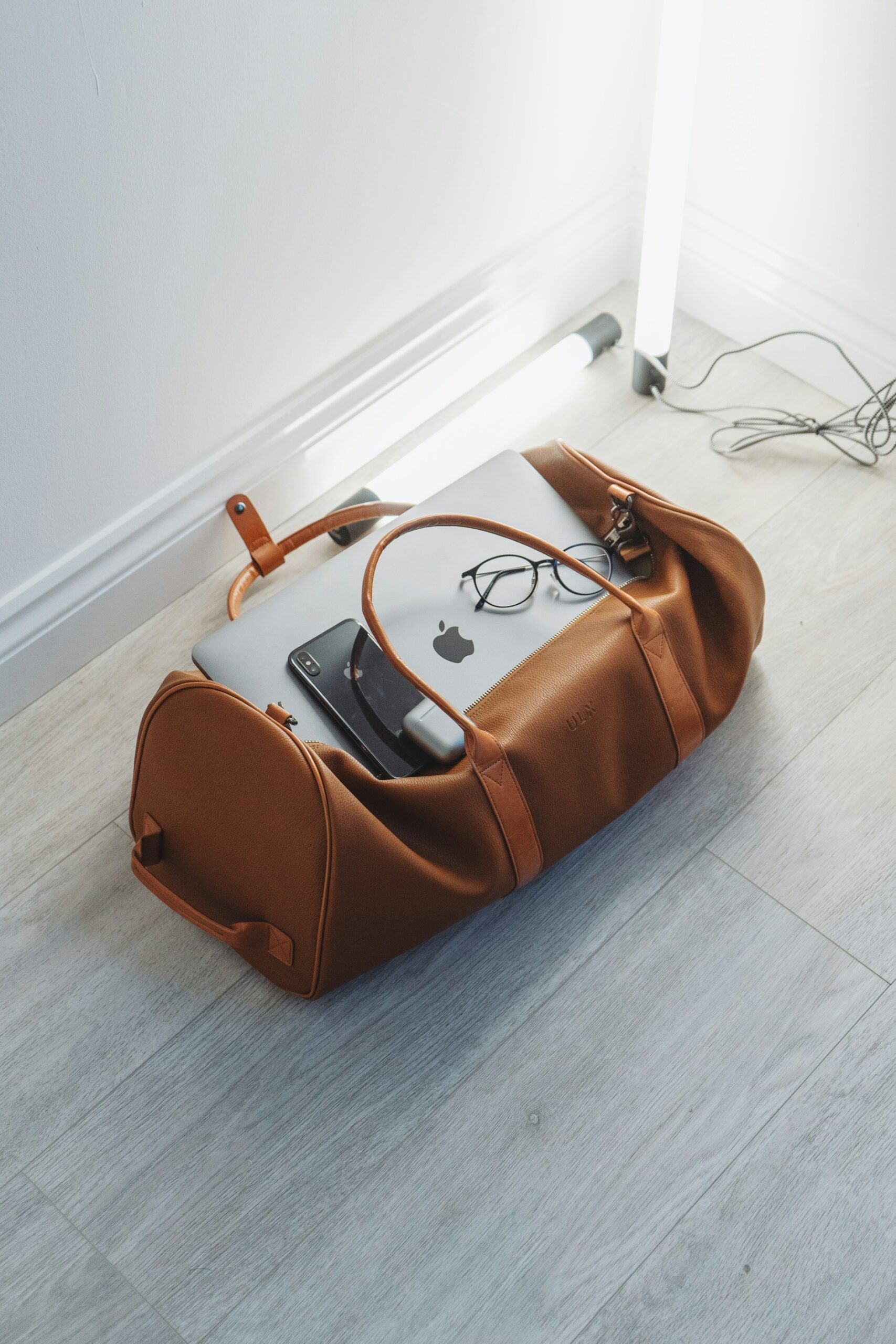
Most tickets allow for a small personal item like a backpack or purse. A travel news source says these items should be around 17 x 10 x 9 inches to fit under the seat. Keeping your essentials in this bag guarantees that you have them during the flight. You can reach your snacks, books, or headphones without standing up.
A personal item should be easy to carry on top of your main suitcase. Many backpacks feature a trolley sleeve that slides over the suitcase handle. Such a feature keeps your hands free and stops the bag from falling. It is a simple way to make moving through the airport much easier.
Average Measurements For Medium Suitcases
Medium bags fit enough for most standard trips without being impossible to lift. A clothing retailer lists the average medium bag at about 67cm in height. This size is manageable for most adults to carry up a flight of stairs and provides enough room for about two weeks of light summer clothes.
A bag of this size is ideal for road trips. You can bring plenty of options for different weather conditions. If you are traveling by train, a medium bag fits well into the luggage racks. It is the most versatile choice for the average traveler.
Picking Suitcases For Short Three-Day Stays
A three-day weekend is the perfect time to test your packing skills. Smaller cases than size S20 or S23 suitcases are easy to store at home when you are not traveling and fit in smaller car trunks or overhead racks.
Traveling light has many benefits beyond just saving money. You can walk from the station to your hotel with no need for a taxi. A small bag encourages you to be more intentional about what you bring. You will find that you rarely miss the items you left behind.
Weight Considerations For Hard And Soft Cases
The weight of the bag itself matters as much as what is inside. You do not want to waste your weight limit on a heavy shell. A suitcase brand explains that soft cases should weigh under 4kg, and hard cases should weigh under 4.5kg.
Aluminum frames and polycarbonate shells offer great protection. These materials are very light but can withstand a lot of force. Soft bags are often made of high-denier nylon or polyester. Such fabrics are resistant to tears and water. Choosing a bag with a good weight-to-strength ratio is a smart investment.
Mastering The Art Of Packing Light
Packing is a skill that takes time to learn. Using a system helps you stay organized and avoid forgetting things. A travel community suggests the 1-2-3-4-5-6 rule for balanced packing.
- 1 hat for the sun or cold
- 2 pairs of comfortable shoes
- 3 pairs of pants or skirts
- 4 shirts or tops
- 5 pairs of socks
- 6 pairs of underwear
Roll your clothes instead of folding them to save space. Use packing cubes to group similar items together. You can have one cube for gym gear and another for sleepwear. Such a system makes it easy to find what you need.
Benefits Of Hard Shell Luggage For Long Hauls
Hard shells offer a layer of protection for fragile items. Many people prefer them for international trips where bags are handled many times. They keep your clothes from getting crushed under other heavy bags. Modern versions are flexible enough to resist cracking under pressure.
Security is another benefit of a hard shell. Most of these bags come with integrated locks. It is much harder for someone to cut into a hard case than a soft one. Your valuables stay safe behind a solid barrier.
The Importance Of Quality Wheels And Handles
A bag is only as good as its moving parts. Broken wheels can turn a fun trip into a nightmare. Look for wheels that are recessed into the body of the bag. Four wheels are better for flat surfaces, but two wheels are better for uneven ground.
The handle should feel solid and lock into place at different heights. It should be long enough that the bag does not hit your heels as you walk. Test the handle before you buy a bag: a flimsy handle is a sign of a low-quality product. Durable hardware guarantees that your bag stays in service for many years.
Managing Your Interior Space Efficiently
Most modern bags come with mesh pockets and divider pads. Use these to separate dirty laundry from clean clothes. A dedicated shoe bag keeps the soles of your shoes away from your shirts. Small pouches are perfect for chargers and cables.
Avoid leaving empty spaces in your suitcase. Items shift and wrinkle more when there is room to move. If you have extra space, fill it with socks or a light scarf. You will find that everything stays exactly where you put it.
Selecting The Right Material For Your Style
Leather bags look great and can be very heavy. Synthetic fabrics offer a more practical choice for frequent flyers. Some bags now use recycled plastics to create a durable and eco-friendly shell. You can maintain a professional look with very little effort.
Color choice matters more than you might think. Black bags are classic but hard to spot on a luggage carousel. A unique color or a bright luggage tag helps you identify your bag quickly. It prevents other people from accidentally taking your luggage.
Why Capacity Matters More Than Dimensions
Dimensions tell you if a bag fits the plane, and capacity tells you what fits inside. Two bags with the same height can have different volumes. A square bag holds more than a rounded one. Check the liter count to see how much room you actually have, as this number is the best way to compare different brands.
Large bags are not always better. A bag that is too big is hard to pack effectively and encourages you to bring things you do not need. A medium-sized bag that is full is easier to handle than a large bag that is half-empty. Choose the smallest bag that fits your realistic needs, and you will enjoy the freedom of having less to carry.
Planning For Souvenirs And Extra Items
Many travelers forget that they come home with more than they took. If your bag is full on the way out, you will have no room for local treasures. Leave about 20% of your bag empty for the return trip. This simple trick saves you from buying a second bag abroad.
If you know you will shop a lot, bring a foldable duffel bag that takes up almost no space in your main suitcase. You can fill the duffel with laundry on the way back and use the main bag for fragile items. Such a strategy keeps your valuables protected and gives you extra volume.
Finding the right suitcase size makes your journey much smoother. Focus on the sights and experiences instead of struggling with your gear. Every trip is unique, and your luggage should reflect that.
Take the time to measure your bags and check airline rules before you leave. With the right preparation, you can travel with total peace. Your adventure begins the moment you close your suitcase and head out the door. Safe travels to your next exciting destination.
*This article has been contributed to Owl Over The World.
**Featured photo is by Anete Lūsiņa on Unsplash