
If you’re drawn to Alaska by the idea of space; real space, the kind you can hear, then the worst thing you can do is treat it like a checklist. Southeast Alaska doesn’t reward rigid plans. It rewards attention: to tide lines on kelp, to a barometer that drops before dinner, to the way a humpback’s exhale changes pitch when it turns.
A yacht expedition gives you a rare advantage in a place that runs on weather: you can move, wait, pivot, and linger. The trick is building just enough structure to keep the trip safe and meaningful, without turning every day into a performance of productivity.
This is how you plan Alaska like you’re going there to be there, not to “do it all.”
Table of Contents
Start with the only schedule that matters: seasons and light
You don’t need a minute-by-minute itinerary. You do need a clear view of what Alaska’s seasons actually feel like.
In Southeast Alaska (the Inside Passage), summer brings long daylight and the most predictable logistics, which is why demand keeps building for the coming seasons. You’ll see 2026 trip planning show up earlier, with more travelers looking for small-ship and flexible itineraries rather than big-port routines.
Your planning move: pick a window, not a week.
- Early season (May–June): crisp air, fewer boats, long twilight, and a higher chance of moody weather that makes glaciers look cinematic.
- Peak (July–August): the easiest “Alaska works” period—also the busiest.
- Shoulder (September): softer light, quieter anchorages, and a more contemplative feel; plan for more rain and faster-changing conditions.
You’re not betting on perfect weather. You’re choosing what kind of Alaska you want to meet.
If you’re weighing formats, it helps to think of a private Southeast Alaska Expedition as a different kind of itinerary altogether: less about locking in “Day 3, 10 a.m.” and more about building a route that can flex with tide, light, and wildlife, while still keeping the big pillars (permits, safety, and ethics) in place.
Decide what you won’t control


Overplanning usually comes from trying to control the wrong things. On a yacht expedition, commit to these three non-negotiables, and release the rest:
- Safety frameworks: Cold water isn’t an aesthetic; it’s a risk. Southeast Alaska’s waters can trigger hypothermia fast, and the Forest Service explicitly flags cold-water safety and PFD use as essential.
- Wildlife distance and ethics: Your best encounters happen when you don’t push them. Federal guidance requires vessels to stay at least 100 yards from humpback whales in Alaska waters, and NOAA also recommends keeping viewing time limited (often framed as 30 minutes or less for a given animal or group).
- Protected-area rules: Glacier Bay is not a “swing by if we feel like it” destination. It’s managed through vessel regulations and quotas, and rules differ by vessel type and season. Your access depends on planning that early.
Everything else exact anchorages, which cove gets your sunset, whether you kayak before breakfast or after, belongs to the day itself.
If you’re building a simple “gateway” plan, many Southeast Alaska routes naturally pair with a Pacific Northwest start, Seattle, especially before you slip into slower water and longer light.
Build a “floating basecamp” plan (it’s the sweet spot)
The most satisfying Alaska yacht itineraries work like a basecamp that moves. You pick a corridor (or two), then let daily decisions come from conditions.
Think of it like this:
- Your route is the container
- Your days are the content
A simple Inside Passage structure might look like:
- Corridor A: a stretch known for fjords, waterfalls, and protected water for skiffs and kayaks.
- Corridor B: a more exposed area you only enter when weather opens a clean window.
- One “permit anchor”: Glacier Bay or another managed area that requires early coordination.
You’re creating optionality. Optionality is the real luxury here.
Plan around tides like you’d plan around reservations elsewhere
If you’re used to city travel, you’re trained to plan around tables and tickets. In Southeast Alaska, you plan around tides. Tides decide when you can:
- land a skiff on certain beaches
- thread narrow passages safely
- kayak comfortably without fighting current
- explore intertidal zones without getting stranded or rushed
You don’t need to become a mariner overnight. You just need to treat tides as part of the story, not an inconvenience.
Your planning move: choose a skipper or expedition team that talks about tides casually, the way a good chef talks about seasonal produce.
Know the rules of “quiet luxury” on the water
A yacht doesn’t give you permission to get closer. It gives you the ability to do things more gently.
Whale watching, the calm way
The 100-yard humpback rule is simple on paper, harder in real life because whales move and surface unpredictably. NOAA’s guidance exists for a reason: it reduces stress on animals and lowers the risk of vessel strikes.
On board, quiet luxury looks like:
- slowing early, not late
- letting the whale set the distance
- drifting rather than chasing
- keeping your “wow” internal until you’re not the loudest thing in the bay
You’ll still get your moment. It’ll just feel earned.
Bear country isn’t a photo set
In coastal Alaska, bears live where you want to hike. The Alaska Department of Fish and Game keeps the guidance refreshingly practical: don’t surprise bears, don’t crowd them, manage food and trash, stay calm if you encounter one.
A good crew will brief you like this is normal; because it is.
Lock in the handful of decisions that prevent regret
Here’s what’s worth deciding in advance, because it shapes the whole trip.
-
Your intent (pick one primary, one secondary)
Choose one primary reason you’re going, and one supporting theme. Examples:
- Primary: wildlife and natural history
Secondary: photography - Primary: family adventure across ages
Secondary: comfort and recovery - Primary: remote anchorages and silence
Secondary: food and onboard ritual
When you’re tempted to over-schedule, return to this.
-
Your must-have access point
If Glacier Bay is on your list, treat it as a core pillar, not a “bonus.” It operates under special regulations and management rules that shape how and when vessels can enter.
-
Your tolerance for “real Alaska”
Be honest about what you can handle:
- rain that lasts all day
- wet landings
- early starts when conditions are right
- changing plans without frustration
If you want Alaska without the performance, you have to allow Alaska to lead sometimes.
Design days with a rhythm, not a checklist

This is the easiest way to keep a trip from feeling either chaotic or over-managed: give each day a repeatable shape.
Try this template:
Morning: one outward thing
Skiff exploration, glacier viewing, a hike, or a paddle.
Midday: one inward thing
A warm meal, a nap, journaling, hot shower, reading on deck.
Afternoon: a flexible window
Follow weather, follow wildlife, follow the light.
Evening: a small ritual
Hot tea, a recap with the guide, a quiet drink, a map on the table.
You’re building enough predictability to relax, without forcing the landscape into your calendar.
Pack like you want to stay outside longer
Packing is where you can quietly reduce friction all week. You want a kit that lets you say “yes” when something happens.
Bring what supports these realities:
- cold spray and wet decks
- sudden wind
- long periods standing still (whale watching, glacier viewing)
- the comfort of warm, dry reset moments
Also, don’t treat safety gear as optional. Cold water changes your capacity fast, which is why official guidance pushes PFD use and caution in Alaska waters.
Planning a move that changes everything: choose the right people
A yacht can be beautiful and still deliver a mediocre trip if the human side isn’t right. The most valuable thing you can book isn’t a suite; it’s judgement.
Look for a team that:
- talks about wildlife rules without being asked
- treats Glacier Bay access like a planning cornerstone
- makes safety feel normal, not dramatic
- can explain why they’re changing the plan (weather, tides, animal behavior) in plain language
This is where expedition design houses, teams that choreograph vessels, crew, and guiding into one coherent experience, including specialists like EYOS expeditions quietly shape the “new luxury” without needing to shout about it.
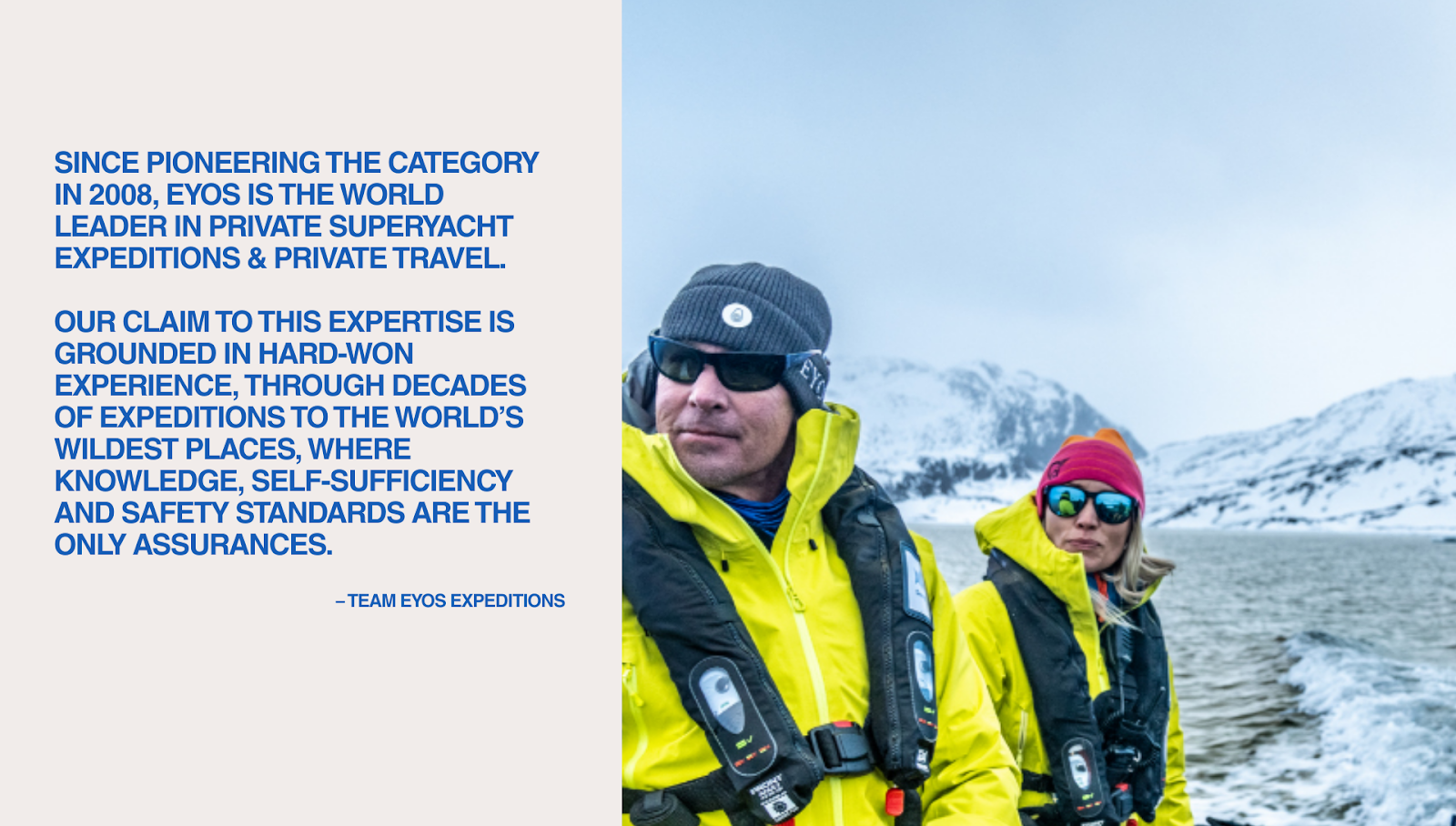
Afterall, the point isn’t the name. The point is the competence and experience of many decades handling the luxury; the kind earned over decades in remote places.
Let Alaska be the headline
If you take one thing from this: a yacht expedition isn’t about avoiding schedules so you can do less. It’s about avoiding schedules so you can do what the place offers, when it offers it.
You’ll remember the day you changed course because the wind shifted and suddenly the bay went glassy.
You’ll remember the silence that settled after a glacier calved and everyone stopped talking. You’ll remember that you didn’t need a packed itinerary to feel like you used the time well.
Alaska doesn’t ask you to fill your days. It asks you to show up for them.
*This article has been contributed to Owl Over The World.